Homemade Facial and Body Oil Formulations with Active Ingredients
Question
Hello, I would like to try mixing cosmetic oils for personal use for the first time. I need advice on using oil as the main ingredient for making facial oil, incorporating active ingredients into the formula. I would like to try making a total of 3 formulas and have drafted the following preliminary formulas:
Acne facial oil for reducing acne problems. I want to include Salicylic Acid.
- hemp seed oil 70%
- Safflower Oil 10%
- Jojoba Oil
- Grape seed Oil 10%
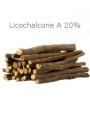
- Licorice Extract (Licochalcone A 20%) 0.2%
- Salicylic Acid 1.5%
- natural Bisabolol 1%
- Tea Tree Oil 1%
- Lavender Oil 1%
Antiaging Formula
- Tamanu Oil 20%
- Grapeseed Oil 20%
- Argan Oil 30%
- Safflower Oil 13%
- Vitamin E (dl-alpha tocopherol) 1%
- Cedarwood Oil (Texas) 1%
Reduce acne spots formula
- Tamanu Oil 15%
- Grape Seed 20%
- Rose Hip Oil
- Safflower Oil 20%
- Licorice Extract (Licochalcone A 20%) 0.2%
- Vitamin E (dl-alpha tocopherol) 0.8%
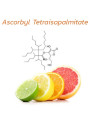
- Perfect-C™ (Ascorbyl Tetraisopalmitate) 5%
- Phytosphingosine 1%
- Lavender Oil 1%
Are the above drafted formulas mixable?
If I want to make a Body oil using the above formulas as a base but adding Fractionated Coconut Oil to reduce cost, can that be done? For example:
- Fractionated Coconut Oil 50%
- hemp seed oil 10%
- Safflower Oil 10%
- Jojoba Oil 15.3%
- Grape Seed Oil 10%
- Licorice Extract (Licochalcone A 20%) 0.2%
- Salicylic Acid 1.5%
- natural Bisabolol 1%
- Tea Tree Oil 1%
- Lavender Oil 1%
Thank you very much.
Answer
Advice for Homemade Facial and Body Oils
It's great that you're experimenting with making your own facial and body oils! This is a wonderful way to customize your skincare.
Based on the formulas you've drafted, I've reviewed the ingredients and percentages and have some feedback and suggestions to help you refine them:
Recommendations for Facial Oil Formulas
Overall, the formulas you've drafted are interesting and use good ingredients. However, there are a few points to consider and minor adjustments that could make the formulas more complete and effective.
1. Acne Facial Oil Formula
This formula focuses on oils suitable for oily and acne-prone skin, along with active ingredients targeting acne and redness. The chosen ingredients are appropriate.
- Hemp Seed Oil 70%
- Safflower Oil 10%
- Jojoba Oil 5.3% (The original formula did not specify the amount for Jojoba Oil. When summing the other listed ingredients, the total is 94.7%. You need to add 5.3% Jojoba Oil to reach 100%.)
- Grape Seed Oil 10%
- Licorice Extract (Licochalcone A 20%) 0.2%
- Salicylic Acid 1.5%
- Natural Bisabolol 1%
- Tea Tree Oil 1%
- Lavender Oil 1%
- Total: 100%
Points to Consider:
- Salicylic Acid Dissolution: Salicylic Acid (BHA) is oil-soluble, but at a concentration of 1.5% in typical carrier oils, it might not fully dissolve and could crystallize. It is recommended to use a solvent that helps dissolve Salicylic Acid in oil, such as LipidSoft™ Palm or LipidSoft™ Dry, to ensure the Salicylic Acid is fully dispersed and dissolved in the oil base.
- Essential Oils Concentration: Tea Tree Oil and Lavender Oil are essential oils. Using them together at a total concentration of 2% (Tea Tree 1% + Lavender 1%) might be too high for some facial skin types, especially sensitive skin, and could cause irritation. Consider reducing the total concentration of essential oils to around 0.5-1% or perform a patch test on a small area before applying to the entire face.
2. Antiaging Formula
This formula uses oils known for their anti-aging properties, which is a good selection.
- Tamanu Oil 20%
- Grapeseed Oil 20%
- Argan Oil 45% (The original formula totaled 85%. It is recommended to add another 15% Argan Oil to reach 100%, or you can distribute this percentage among other carrier oils in the formula.)
- Safflower Oil 13%
- Vitamin E (dl-alpha tocopherol) 1%
- Cedarwood Oil (Texas) 1%
- Total: 100%
Points to Consider:
- This formula has a good balance of carrier oils. Tamanu Oil and Argan Oil are excellent oils for anti-aging benefits.
- Cedarwood Oil is an essential oil. It should be used at an appropriate concentration and patch tested before use.
3. Reduce Acne Spots Formula
This formula is designed to help reduce acne spots and improve skin tone, using good and suitable ingredients.
- Tamanu Oil 15%
- Grape Seed Oil 20% (Assuming "Grape Seed" refers to Grape Seed Oil.)
- Rose Hip Oil 37% (The original formula did not specify the amount for Rose Hip Oil. When summing the other listed ingredients, the total is 63%. You need to add 37% Rose Hip Oil to reach 100%.)
- Safflower Oil 20%
- Licorice Extract (Licochalcone A 20%) 0.2%
- Vitamin E (dl-alpha tocopherol) 0.8%
- Perfect-C™ (Ascorbyl Tetraisopalmitate) 5%
- Phytosphingosine 1%
- Lavender Oil 1%
- Total: 100%
Points to Consider:
- Rose Hip Oil at 37% is a high concentration, which is beneficial for reducing acne scars. However, Rose Hip Oil has a distinct scent and might make the oil feel slightly heavier. If you prefer a lighter texture or dislike the scent, you can consider reducing the amount of Rose Hip Oil and replacing it with a lighter carrier oil.
- Perfect-C™ (Ascorbyl Tetraisopalmitate) is an oil-soluble and stable form of Vitamin C that is good for reducing acne spots and improving skin tone.
- Phytosphingosine is oil-soluble and can be incorporated into the formula.
- Lavender Oil is an essential oil. It should be used at an appropriate concentration and patch tested before use.
Making Body Oil
Adapting a facial oil formula for body oil by adding Fractionated Coconut Oil to reduce cost and lighten the texture is a good approach and is feasible. Fractionated Coconut Oil is a light, easily absorbed, and cost-effective oil commonly used as a base oil in body or massage oils.
The body oil formula you drafted (based on the Acne Facial Oil formula with 50% Fractionated Coconut Oil added) totals 100% and the ingredients are suitable for body use.
- Fractionated Coconut Oil 50%
- Hemp Seed Oil 10%
- Safflower Oil 10%
- Jojoba Oil 15.3%
- Grape Seed Oil 10%
- Licorice Extract (Licochalcone A 20%) 0.2%
- Salicylic Acid 1.5%
- Natural Bisabolol 1%
- Tea Tree Oil 1%
- Lavender Oil 1%
- Total: 100%
Points to Consider:
- Salicylic Acid Dissolution: Similar to the facial oil, using 1.5% Salicylic Acid might require a solvent to ensure complete dissolution in the oil base.
- Active Concentration: Although the concentrations of Salicylic Acid and essential oils are within acceptable ranges for skincare products, when applied to the larger surface area of the body, you might want to observe your skin's reaction. Generally, these concentrations are still considered acceptable for body use.
General Additional Tips
- Mixing: You can mix the oils by weighing all ingredients together in a clean container and stirring until well combined. For powdered active ingredients like Salicylic Acid, if you are using a solvent, dissolve the powder in the solvent first before adding it to the carrier oils.
- Stability: Some natural oils can be prone to oxidation (going rancid). Store your finished products in opaque, airtight containers in a cool place or refrigerator to extend their shelf life. Adding Vitamin E helps to slow down oxidation.
- Patch Testing: Before using any homemade product extensively, always perform a patch test on a small area of your skin (e.g., inner forearm or behind the ear) to check for any allergic reactions or irritation.
I hope this advice is helpful! Enjoy making your own cosmetics!
Related Products Mentioned
Natural Bisabolol (Brazil Chamomile)
Jojoba Oil (Golden - Deodorized)
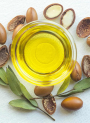
Argan Oil (Virgin - Deodorized)
Vitamin E (dl-alpha tocopherol)
Salicylic Acid (BHA, Pharma Grade)
Fractionated Coconut Oil
Rosehip Oil (Virgin, Fresh)