Homemade Formula Stability & Effectiveness
Question
I have created a homemade formula (for body use, targeting dryness and itching from AC) and have been using it for over 3 months with positive results (reduced itching, improved dark spots, smoother skin). The formula's pH is around 5.
My formula is as follows:
- HydroAlgae™ 2%
- Phospholipid 3%
- Fucus vesiculosus extract 8%
- Oat Avenanthramides 5%
- Niacinamide 6%
- Acetyl glucosamine 3%
- Ethyl Ascorbic acid 3%
- Squalane 20%
- German Chamomile Extract 1%
- Tocotrienols 1%
- Dimethyl Isosorbide 5%
- 1,3-Propanediol 5%
- Alaria Esculenta Extract 1%
- Madecassoside 80% 0.5%
- Phytosphingosine 1%
- Tetrahydrocurcuminoids 0.3%
- Light Lotion Maker 4%
- Carboxymethyl cellulose 0.5%
- Phytic Acid 0.2%
- Mild Preserved 1%
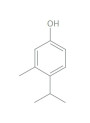
- o-Cymen-5-ol 0.1%
- Water up to 100%
Note: The formula contains a Vitamin C derivative (Ethyl Ascorbic Acid) and Niacinamide. I previously understood these shouldn't be used together, but based on some commercial creams combining a Vitamin C form with B3 and adjusting the pH accordingly, I decided to try this.
My questions are:
- Given the positive skin changes observed over 3+ months, does this indicate the formula is still effective?
- The texture remains consistent (slight color from Tocotrienols), with no separation (though there might be some sediment at the bottom). Does this mean the formula is stable?
- Does the use of Carboxymethyl cellulose (CMC) contribute to the formula's stability?
- Could you please provide your opinion on this formula?
Answer
Subject: Opinion on Formula Stability
Thank you for sharing your detailed formula and experience. It's great to hear about the positive results you've seen on your skin over the past 3 months!
Based on your observations:
- Effectiveness: The fact that you've seen sustained improvement in skin conditions like reduced itching, improved dark spots, and smoother skin over 3 months strongly indicates that the active ingredients in your formula are still effective and have not significantly degraded. The sustained benefits suggest the formula is maintaining its efficacy.
- Physical Stability: Your report of no separation and consistent color (apart from the natural color of Tocotrienols) is a good sign of physical stability. The formula appears to be a stable emulsion. Regarding potential sedimentation from CMC or other ingredients, if it's easily dispersed by shaking, it might not indicate a major stability issue, but rather the nature of the thickener or certain ingredients. CMC is a common thickener used to provide viscosity and help stabilize formulations, so its presence contributes to the formula's physical integrity.
- Chemical Stability (Vitamin C & Niacinamide): You raised a valid point about combining Vitamin C and Niacinamide. The caution about this combination primarily applies to L-Ascorbic Acid, which requires a low pH (typically <3.5) for stability. At such low pH, Niacinamide can convert to Niacin, causing flushing. However, you are using Ethyl Ascorbic Acid, which is a stable Vitamin C derivative effective at a higher pH range (often 4-6). Niacinamide is also most stable and effective around pH 5-6. Since you adjusted your formula's pH to approximately 5, this range is compatible for both Ethyl Ascorbic Acid and Niacinamide, minimizing the risk of incompatibility and Niacin formation. This likely explains why you haven't experienced issues and are seeing positive results from both ingredients.
Overall Opinion:
Based on your positive results and the physical appearance of the formula after 3 months, it seems your homemade formula has maintained reasonable stability under your storage conditions. While commercial products undergo rigorous long-term stability testing, for personal use, your experience is a strong indicator that the formula is holding up well. Factors like precise pH, storage temperature, light exposure, and packaging can also influence long-term stability.
It's wonderful that you've created a formula that works so well for your specific skin concerns!
Related Products Mentioned
GlucoBright™ (Acetyl Glucosamine)
Squalane (Olive)
Phospholipid


Alaria Esculenta Extract

Oat Avenanthramides (100ppm Solution)

Fucus Film™ (fucus vesiculosus extract)
Light Lotion Maker
Phytosphingosine (90% Purity)
Tocotrienols (Oil, 50%, Cosmetics)
Dimethyl Isosorbide (DMI)
Phytic Acid (50% Liquid, Natural)

HydroAlgae™
Safe-B3™ (Vitamin B3, Niacinamide)

Natural Bisabolol (Brazil Chamomile)