Homemade Gel Formulation: Ingredient Compatibility, Odor, and Thickeners
Question
I have created two gel formulas and have some questions about them:
Formula 1: Anti-Aging Gel
- Aloe Vera Gel (Base)
- Green Tea Extract EGCG 3%
- Gotu Kola (Centella Asiatica) Extract 5%
- Homeostatine® (Seaweed Extract) 5%
Question: Are the two anti-aging ingredients (Gotu Kola and Homeostatine) redundant?
Formula 2: Face and Body Gel
- Aloe Vera Gel (Base)
- Azelaic Acid 10%
- Natural Moisturizing Amino Acids 5%
- Calendula Extract 5%
- Licorice Extract (Licochalcone A) 0.5%
Questions:
- Is this formula okay for face and body?
- What is causing the salty/fishy smell?
- Can I add perfume directly into the bottle and shake it?
Additionally, I would like to understand more about gelling agents like Pro Polymer, Xanthan Gum, and Organic Natural Thickener, specifically regarding their resistance to electrolytes.
Answer
Analysis of Your Homemade Gel Formulas
It's great that you are experimenting with creating your own skincare formulas! Let's break down your two gel formulas and address your questions.
Formula 1: Anti-Aging Gel
- Ingredients: Aloe Vera Gel (Base), Green Tea Extract EGCG 3%, Gotu Kola (Centella Asiatica) Extract 5%, Homeostatine® (Seaweed Extract) 5%.
- Question: Are the two anti-aging ingredients (Gotu Kola and Homeostatine) redundant?
Green Tea Extract (EGCG) is primarily known for its antioxidant and oil-controlling properties, although it also has anti-inflammatory benefits. Gotu Kola Extract (Centella Asiatica) is well-regarded for its anti-inflammatory, anti-irritation, and collagen-stimulating effects, contributing to anti-aging and skin repair. Homeostatine (which is typically a marine-derived ingredient) is often used for its firming and anti-wrinkle properties, working on the skin's extracellular matrix. While both Gotu Kola and Homeostatine target signs of aging, they likely do so through different biological pathways. Using both can provide a more comprehensive approach to anti-aging by addressing different aspects like collagen production and skin firmness, in addition to the antioxidant benefits from Green Tea Extract. So, they are not necessarily redundant and can offer complementary benefits.
It's wonderful to hear that your first formula has been successful in making your skin soft, moisturized, and helping with makeup application!
Formula 2: Face and Body Gel
- Ingredients: Aloe Vera Gel (Base), Azelaic Acid 10%, Natural Moisturizing Amino Acids 5%, Calendula Extract 5%, Licorice Extract (Licochalcone A) 0.5%.
- Questions: Is this formula okay for face and body? What is causing the salty/fishy smell? Can I add perfume directly?
Regarding the use of this formula for both face and body, the staff's advice is correct. Due to the inclusion of Azelaic Acid, which can increase skin sensitivity to the sun, this gel is best suited for nighttime use on both the face and body.
For the salty/fishy smell you experienced, you suspected the Licorice Extract. Based on the properties of the ingredients, Licorice Extract (Licochalcone A) is not typically associated with a strong or unpleasant odor. The Aloe Vera Gel base you used likely contains a gelling agent called Pro Polymer. Pro Polymer is known to have a distinct odor that some people find undesirable. Additionally, Natural Moisturizing Amino Acids can have a "natural odor" which might contribute to the overall scent profile you are experiencing. Therefore, the smell is most likely coming from the base gel's gelling agent (Pro Polymer), potentially combined with the natural scent of the Amino Acids, rather than the Licorice Extract.
Regarding adding your own perfume, as the staff mentioned, if the perfume is water-soluble, you can likely add a small amount directly to the gel and mix it gently. This is a common way to add fragrance to water-based products and, in small quantities, it should not significantly affect the stability or shelf life of the product, especially since the base already contains a preservative.
Discussion on Gelling Agents
You also brought up a point about gelling agents like Pro Polymer, Xanthan Gum, and Organic Natural Thickener and their resistance to electrolytes. The staff's clarification is helpful here. While different gelling agents have varying properties, Pro Polymer is indeed known for good electrolyte resistance, meaning it can maintain its viscosity better in formulas containing salts or other ionic ingredients compared to some other thickeners. However, as discussed, it can have an odor and may require specific mixing methods (like using a blender) to hydrate properly. Xanthan Gum is another effective water-soluble thickener with good electrolyte tolerance, but some types can result in a slightly sticky or stringy texture. Organic Natural Thickeners can also provide viscosity and electrolyte resistance but may result in a cloudy appearance. The choice of gelling agent depends on the desired texture, clarity, compatibility with other ingredients (especially electrolytes), ease of use, and acceptable odor profile for the final product.
It's great that you are exploring different ingredients and learning how they behave in your formulations! Experimentation is key to developing formulas that meet your specific needs and preferences.
Related Products Mentioned

Calendula Extract (Water Soluble)
Aloe Vera Gel (Heavy)
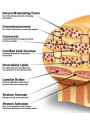
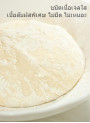

Pro Polymer™ (Gel Maker)
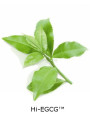
Hi-EGCG™ (Green Tea Extract)

Aloe Vera Gel (Lite)