Hot Process Soap: Reducing Drying Feel and pH Adjustment
Question
I am making hot process soap with a formula containing 70% coconut/palm oil blend and 30% rice bran oil. The finished soap feels drying ("ฝืด"). How can I adjust the formula to reduce this drying sensation? Also, can I use Citric Acid to lower the pH of the finished soap bar to make it less drying?
Answer
Soap Formulation Advice
The drying or "ฝืด" feeling you are experiencing with your hot process soap is a common issue, often related to the oil blend and the superfatting level.
Your current formula uses a high percentage of coconut oil and palm oil (70% of the total oils), which are known for creating hard bars with good lather but can also be quite stripping and drying to the skin. Rice bran oil (30%) adds some conditioning, but it might not be enough to counteract the drying effect of the other oils.
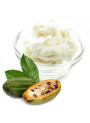
To reduce the drying feel, consider adjusting your oil blend to include more conditioning oils. Oils like Olive Oil or Shea Butter are excellent choices for adding moisturizing properties and a smoother feel to the soap. Replacing some of the coconut/palm oil blend with these oils can significantly improve the bar's feel.
For example, you could try reducing the "น้ำมันตราบัว" (coconut/palm blend) and increasing the Rice Bran Oil, or introducing Olive Oil or Shea Butter. Remember to always recalculate the amount of lye needed using a reliable soap calculator whenever you change your oil percentages. Aim for a superfat level of around 5-10% to ensure there is enough unsaponified oil left in the soap to provide conditioning.
Regarding lowering the pH with Citric Acid: In lye-based soap (made with NaOH), the natural pH is alkaline, typically between 8 and 10. This alkalinity is necessary for the soap to function effectively as a cleanser. Adding citric acid to a finished bar of lye soap to significantly lower the pH below 8 is generally not practical or advisable. Citric acid will react with the lye and the soap itself, potentially causing the bar to become soft, crumbly, or even turn into a liquid, as the staff mentioned. It can also affect the lather. While citric acid is sometimes used in small amounts in soap making (often reacted with a portion of the lye beforehand to create sodium citrate, which can help with water hardness), it is not a method for drastically lowering the pH of a finished bar below its natural range without compromising the soap's structure.
Focusing on your oil blend and ensuring proper superfatting is the most effective way to reduce the drying sensation and create a more skin-friendly bar while maintaining the integrity of a natural, hot process soap.
Related Products Mentioned
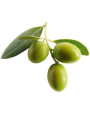
Olive Oil (Extra Virgin)
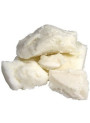
Shea Butter (Refined , Deodorised)
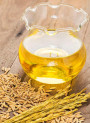
Rice Bran Oil (High Omega, Refined)