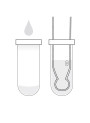
How to Adjust pH Using Acids and Bases
Question
Could you please explain the step-by-step process for adjusting the pH of a solution using acids and bases, including the necessary precautions?
Answer
Adjusting pH using acids and bases requires careful steps to achieve the desired value safely. Here are the basic steps:
Steps for pH Adjustment
- Prepare Equipment: Prepare the solution whose pH needs adjustment, an acid (e.g., Citric Acid, Lactic Acid for cosmetics), a base (e.g., Sodium Hydroxide, Triethanolamine for cosmetics), a pH measuring device (pH meter or pH paper), and personal protective equipment (gloves, goggles).
- Measure Initial pH: Use a pH meter or pH paper to measure the pH of the solution before adjustment.
- Prepare Acid or Base Solution: If using concentrated acid or base, always dilute it before use to make pH change control easier.
- Add Acid or Base Gradually: Slowly add the acid solution (if lowering pH is needed) or the base solution (if increasing pH is needed) to the main solution in very small amounts.
- Mix Thoroughly: After each addition, mix the solution well to ensure the acid or base is evenly distributed.
- Measure pH Again: Measure the pH of the solution again after mixing.
- Repeat: Repeat steps 4-6 until the desired pH is reached.
- Record: Record the amount of acid or base used and the final pH obtained for future production reference.
Precautions:
- Adding too much acid or base at once can cause the pH to change too rapidly and overshoot the desired value, making it difficult to correct.
- Choose acids and bases appropriate for the application, such as cosmetic, food, or industrial grade that are safe and approved.
- Always wear personal protective equipment when working with chemicals.
These are the basic steps for pH adjustment. If you have further questions or want to know about specific acids/bases, feel free to ask.
Updated Review: May 2026
This section was added after reviewing the original answer against current product availability and formulation knowledge at the stated point in time.
Update as of 2026-05-31: The general step-by-step method above is still valid. Current MySkinRecipes catalog examples for cosmetic pH adjustment include Citric Acid (Anhydrous, Natural) for lowering pH; Sodium Bicarbonate and Tromethamine (TRIS) for increasing/adjusting pH; and Sodium Citrate or Sodium acetate as buffer materials to help reduce pH drift. For Citric Acid, add very gradually and re-measure after full mixing; the catalog notes that finished cosmetic formulas should not be adjusted below pH 3.0 unless the formula is specifically designed for that purpose. For Sodium Bicarbonate, note its limited water solubility, so prepare/dissolve carefully before adding. If using buffer salts, check the final pH in the complete formula and re-check viscosity, because electrolytes can affect carbomer/acrylate gels and some surfactant systems. pH test strips can be used for quick checks, but a calibrated pH meter is preferable for final formulation control.
Related Products Mentioned
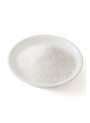
Citric Acid (Anhydrous, Natural)
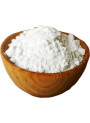
Sodium Bicarbonate
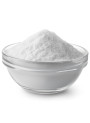
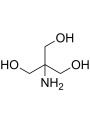
Tromethamine (TRIS, eq. AMINO ULTRA PC)
Sodium acetate