How to Formulate a Cream Using Cetyl Alcohol
Question
I would like to learn how to formulate a cream using Cetyl Alcohol. What are the essential components of a cream formulation, what is the function of Cetyl Alcohol, and what are the basic steps involved in making a cream? Could you also provide a basic sample formula?
Specifically, I am interested in understanding:
- The role of Cetyl Alcohol in a cream (e.g., thickener, emollient).
- The typical phases (Water Phase, Oil Phase) and key ingredient types needed (e.g., Cream Maker, Preservative).
- The process steps, including heating, combining phases, cooling, and adding heat-sensitive ingredients.
- A sample formula, like the one mentioned in the information about Cetyl Alcohol, which includes:
- Distilled water 88%
- Light Cream Maker 1%
- Rose Hip Oil 5%
- Cetyl Alcohol 5%
- Phenoxyethanol SA (preservative) 1%
Answer
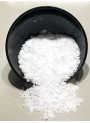
Cetyl Alcohol is an ingredient used in cream formulations. It acts as a thickener and an occlusive emollient, helping to reduce water loss from the skin and providing moisture.
To make a cream, in addition to Cetyl Alcohol, you will need other basic ingredients. Generally, a cream consists of:
- Water Phase: Such as Distilled Water.
- Oil Phase: Such as natural oils (e.g., Rose Hip Oil) or various silicone oils.
- Cream Maker / Emulsifier: This is a crucial ingredient that allows water and oil to mix well without separating. Cetyl Alcohol cannot perform this function on its own and must always be used in conjunction with a Cream Maker.
- Thickener / Stabilizer: Cetyl Alcohol falls into this category. It helps to thicken the cream texture and improve stability.
- Preservative: Absolutely necessary to prevent fungal and bacterial growth in the cream.
Basic Steps for Making a Cream:
- Prepare Water and Oil Phases: Weigh or measure the ingredients for each phase accurately.
- Heat: Heat the water phase and the oil phase (which includes Cetyl Alcohol, which needs to be melted at around 60 degrees Celsius) separately to about 70-80 degrees Celsius (or according to the instructions for the Cream Maker you are using) to ensure the fatty ingredients melt and both phases are at a similar temperature.
- Combine Phases: Slowly pour the oil phase into the water phase (or vice versa, depending on the type of Cream Maker) while stirring or blending with a high-speed mixer (like a Hand Blender) to emulsify the cream.
- Cool Down: Continue stirring or blending as the cream cools down until you achieve a smooth, well-combined cream texture.
- Add Heat-Sensitive Ingredients: Once the cream has cooled below 40 degrees Celsius, add the preservative, extracts, or other heat-sensitive ingredients.
- Adjust pH (if necessary): Check and adjust the pH of the cream to be suitable for the skin and other ingredients.
Example Basic Formula (from Cetyl Alcohol information):
- Distilled water 88%
- Light Cream Maker 1%
- Rose Hip Oil 5%
- Cetyl Alcohol 5%
- Phenoxyethanol SA (preservative) 1%
This formula will result in a heavier cream texture compared to a formula without Cetyl Alcohol.
You can start with this basic formula and gradually adjust the types of oils, Cream Maker, or add other beneficial ingredients as needed.
Related Products Mentioned