How to Increase Cream Viscosity After Making
Question
How can I increase the viscosity of a cream after it has already been made? What are the methods and recommended thickeners, considering factors like desired texture, cost, and compatibility with ingredients like electrolytes?
Answer
How to Increase Cream Viscosity After Making
If your cream is not as thick as desired after preparation, you have two main options to increase its viscosity:
Add more of the original cream maker: You can try adding a small amount of the cream maker you initially used. This is feasible if the cream maker's usage rate allows for a higher concentration and if it is compatible with the other ingredients in your formula, especially if they include electrolytes. Cream makers like Light Cream Maker and Satin Cream Maker have some tolerance for electrolytes, while Easy Cream Maker does not. Always check the recommended maximum usage rate for your specific cream maker.
Add a separate thickener: Incorporating a dedicated thickening agent is another effective method. Common thickeners include Pro Polymer, Xanthan Gum, and Hydroxyethyl Cellulose. The best choice depends on the characteristics you want in your final cream, such as texture, compatibility with electrolytes, and cost.
Choosing Between Thickeners: Pro Polymer, Xanthan Gum, and Hydroxyethyl Cellulose
Here's a comparison to help you select the most suitable thickener:
Pro Polymer (e.g., Pro Polymer™ (Gel Maker), Pro Polymer™ Silk):
- Texture: Creates a gel or a creamy, pudding-like texture at higher concentrations. Pro Polymer™ Silk provides a soft, smooth, and non-sticky feel.
- Electrolyte Compatibility: Pro Polymer™ (Gel Maker) offers good resistance to electrolytes. Pro Polymer™ Silk is less resistant and should not be used with anionic ingredients like Hyaluronic Acid.
- Mixing: Typically requires blending to form a gel. Can be mixed in water or dispersed in glycerin/propylene glycol before adding to water.
- Function: Acts as both a thickener and can help emulsify oil in water-based formulas.
Xanthan Gum (e.g., Xanthan Gum (clear gel type, smooth texture), Xanthan Gum (clear gel type, normal texture)):
- Texture: Forms a clear gel. The "smooth texture" type is less stringy than the "normal texture" type.
- Electrolyte Compatibility: Generally compatible with formulations containing electrolytes.
- Mixing: Dissolves in water with high-speed stirring or blending. Can be pre-dispersed in oil or glycerin to prevent clumping.
- Function: Primarily functions as a thickener and emulsion stabilizer. It does not emulsify oils.
Hydroxyethyl Cellulose (HEC) (e.g., Hydroxyethyl Cellulose (HEC) (4500mPa.s), Hydroxyethyl Cellulose (HEC) (2800mPa.s), Hydroxyethyl Cellulose (HEC) (2000mPa.s) (Super Clear Gel)):
- Texture: Creates a clear gel. Different grades offer varying viscosity levels.
- Electrolyte Compatibility: Forms a non-ionic gel that is not affected by electrolytes, making it suitable for electrolyte-containing formulas.
- Mixing: Requires heating water to around 70°C and continuous stirring for dissolution. Dissolves best at a slightly alkaline pH initially, which can be adjusted later.
- Function: Primarily acts as a thickener.
When adding a thickener or additional cream maker to a finished cream, incorporate it gradually with thorough mixing to ensure it disperses evenly and builds viscosity without creating lumps.
Related Products Mentioned
Light Cream Maker™
Pro Polymer™ (Gel Maker)

Satin Cream Maker™
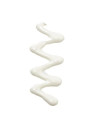
Easy Cream Maker™
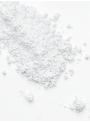
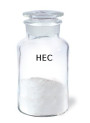
Hydroxyethyl Cellulose (HEC) (4500mPa.s)