How to Make a Face Cream with Vitamin B3, Vitamin E, and Azelaic Acid
Question
I would like to request detailed information on how to make a face cream, including the steps and ingredients. I have the following specific questions:
1. Do I need to use an emulsifier?
2. What is the appropriate amount of preservative to use?
I personally want to include Vitamin B3, Vitamin E, and Azelaic Acid in the formula. Could you please provide a detailed guide on what ingredients I need to include and the process? Thank you.
Answer
How to Make a Face Cream with Vitamin B3, Vitamin E, and Azelaic Acid
Making a face cream involves combining water and oil phases into a stable emulsion. Here are the steps and ingredients you'll need:
1. Do you need an emulsifier?
Yes, you absolutely need an emulsifier (สารสร้างเนื้อครีม) to create a stable cream. An emulsifier helps bind the oil and water components together, preventing them from separating. Examples include CreamMaker EG™ or Emulsifying Wax 1000. The choice of emulsifier can affect the texture and required mixing method (hot or cold process).
2. How much preservative should be used?
A preservative (สารกันเสีย) is essential to prevent microbial growth in your cream, especially since it contains water. The typical usage rate for preservatives in cosmetics is between 0.75% and 2%, depending on the specific preservative and the formula's risk of contamination. For example, Mild Preserved™ COS is used at 0.75-1.5%, and NaturePreserve™ Ultra is recommended at 1.25%. Always check the recommended usage rate for the specific preservative you choose.
General Cream Making Process
Here's a basic outline for making a cream incorporating Vitamin B3, Vitamin E, and Azelaic Acid:
Ingredients:
- Water Phase: Distilled water, Vitamin B3 (Safe-B3™)
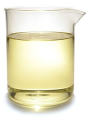
- Oil Phase: Carrier oil (e.g., jojoba oil, shea butter), Emulsifier (e.g., CreamMaker EG™, Emulsifying Wax 1000), Vitamin E (Tocopheryl Acetate)
- Cooling Phase: Azelaic Acid (Liquid Azelaic™), Preservative (e.g., Mild Preserved™ COS), other heat-sensitive additives, fragrance (optional)
Steps:
- Prepare the Water Phase: Heat the distilled water to the temperature required by your emulsifier (some allow cold process, others need heating, e.g., 70-80°C for Emulsifying Wax 1000). Add Vitamin B3 (Safe-B3™) to the heated water phase and stir until dissolved. Vitamin B3 is water-soluble and heat-resistant, but avoid prolonged heating. Use Safe-B3™ at 1-10% (5% is a common starting point).
- Prepare the Oil Phase: In a separate container, combine your chosen carrier oil, emulsifier, and Vitamin E (Tocopheryl Acetate). Heat this phase to the same temperature as the water phase if using a hot-process emulsifier. Vitamin E is oil-soluble and should be added here; use at 0.1-1% (0.1-0.5% for skin benefits), avoiding heating for more than 5 minutes.
- Combine and Emulsify: Slowly pour the oil phase into the water phase while continuously stirring or using a homogenizer/mixer. Continue mixing until a stable emulsion forms and the cream starts to thicken.
- Cool Down: Allow the cream to cool to below 40°C, stirring occasionally.
- Add Cooling Phase Ingredients: Once the temperature is below 40°C, add Azelaic Acid (Liquid Azelaic™) and your chosen preservative (e.g., Mild Preserved™ COS). Azelaic Acid (Liquid Azelaic™) is water-soluble and should be added in the cooling phase at 5-10% (10% is recommended for best results). Most preservatives are added in this phase. Stir until all ingredients are fully incorporated.
- Adjust pH: Check the pH of the final cream. Vitamin B3 is best at pH 4-7, Azelaic Acid (Liquid Azelaic™) at pH 5-11, and preservatives have specific pH ranges (e.g., Mild Preserved™ COS pH 2-8, NaturePreserve™ Ultra pH 3-6). Aim for a pH range that suits all ingredients, typically between 5.0-6.0 for facial skin. Adjust using a dilute acid (like citric acid solution) or base (like sodium hydroxide solution) if needed.
- Finalize: Once cooled and pH adjusted, package your cream.
Remember to always follow good manufacturing practices, sanitize your equipment, and perform a stability test and challenge test on your final product before widespread use.
Related Products Mentioned
Vitamin E (Tocopheryl Acetate)

Safe-B3™ (Vitamin B3, Niacinamide)


Light Lotion Maker