Hybrid Sunscreen Formulation for Acne-Prone Skin (Lightweight, Waterproof)
Question
How to formulate a lightweight, waterproof, hybrid sunscreen for acne-prone skin that includes L-Carnitine and does not leave a white cast?
Answer
Hybrid Sunscreen Formulation Guidelines for Acne-Prone Skin
Creating a lightweight, waterproof hybrid sunscreen formulation that includes L-Carnitine, doesn't leave a white cast, and is suitable for acne-prone skin requires careful consideration of various components.
Based on the ingredients found, here are some guidelines for developing such a formula:
A hybrid sunscreen formula typically combines both physical (UV reflectors) and chemical (UV absorbers) sunscreen agents to provide broad-spectrum UV protection and a desirable texture.
For the specific properties you are looking for (lightweight, waterproof, no white cast, suitable for acne-prone skin), consider the following ingredients:
Physical Sunscreen Agents: Use Nano-sized or specially coated Zinc Oxide and Titanium Dioxide to minimize white cast and achieve a lighter texture. Examples include:
- Zinc Oxide Transparent Dispersion (C12-15 alkyl benzoate Base): A nano Zinc Oxide dispersed in a C12-15 alkyl benzoate base, which is easy to spread, non-whitening, and provides good UVA/UVB protection.
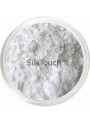
- Titanium Dioxide 30nm SilkTouch™ (Polymethylsilsesquioxane Treated): A nano Titanium Dioxide coated with Polymethylsilsesquioxane, offering a soft texture and UV protection.
Chemical Sunscreen Agents: (Not explicitly found in the search results, but typically included in hybrid formulas) Selecting chemical filters that are compatible with physical filters and are non-comedogenic is important for acne-prone skin.
Ingredients for Acne-Prone Skin and Oil Control:
- L-Carnitine (Carnitine): An amino acid that helps control sebum production and gently accelerates skin cell turnover at pH 4-7, making it suitable for acne-prone skin without the irritation associated with highly acidic AHA/BHA.
Ingredients for Lightweight Feel and No White Cast:
- UltraBlur™ (Skin Blurring Silica): A type of Silica that helps diffuse light for a blurring effect and absorbs excess oil (though less effectively than other Silica types). It contributes to a matte and lightweight feel.
Waterproofing Agent:
- VP/Eicosene Copolymer: A film former that creates a protective film on the skin, enhancing the water resistance of the formula. It can be incorporated into the oil phase.
Considerations for Formulation Development:
- Sunscreen Concentration: Determining the appropriate concentration of Zinc Oxide, Titanium Dioxide, and any chemical filters is crucial to achieve the desired SPF and PA values, while adhering to regulatory limits.
- Texture: Choosing suitable emulsifiers, thickeners, and sensory modifiers will help achieve a lightweight, non-greasy, and easy-to-spread texture.
- Formula Stability: Incorporating finely powdered physical sunscreen agents requires proper dispersion techniques to prevent settling or clumping, which can lead to a white cast.
- Ingredient Compatibility: Ensure all ingredients are compatible within the formula, especially L-Carnitine, which requires the formula's pH to be maintained between 4-7 for efficacy and stability.
Developing a perfect formula requires experimentation and refinement to achieve all the desired properties. The ingredients mentioned above are key components that can be considered for your formulation.
Related Products Mentioned
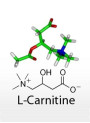
L-Carnitine (Carnitine)
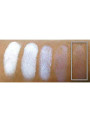
UltraBlur™ (Skin Blurring Silica)