Hydrating Primer Formulation and Tidecyl Neopentanoate Alternatives
Question
I'm interested in recreating a popular hydrating primer and would like to know about the ingredient `Tidecyl Neopentanoate`. What are its functions, and what are some alternative ingredients available from MySkinRecipes that can provide a similar feel and performance in a primer formulation?
Answer
Creating a Hydrating Primer and Alternatives for Tidecyl Neopentanoate
You're interested in recreating a popular hydrating primer and want to know about the ingredient Tidecyl Neopentanoate and its alternatives.
Tidecyl Neopentanoate and Alternatives
Tidecyl Neopentanoate is a lightweight emollient commonly used in cosmetics to provide a smooth feel and help spreadability without feeling heavy or greasy.
Based on the ingredients available, several emollients can serve as alternatives, offering similar properties with slight variations in texture and feel:
- LipidSoft CC (Cetyl Ethylhexanoate): This is a popular alternative known for its light, non-greasy feel. It helps formulas spread easily and provides moderate hydration without clogging pores, making it suitable for various skin types, including those prone to acne. It's often used in makeup bases like BB and CC creams.
- LipidSoft Lite (Isononyl Nonanoate): This emollient has a very light texture and is often used as a silicone alternative (like Cyclomethicone). It provides a soft, smooth feel and helps with spreadability, suitable for lighter formulations and normal to oily skin.
- LipidSoft Palm (Ethylhexyl palmitate): This emollient offers good softness and spreadability and is more moisturizing than the other two. It's suitable for dry skin but might potentially clog pores for some individuals if used in high concentrations.
The choice among these alternatives depends on the desired final texture and target skin type for your primer.
Making a Similar Primer
Yes, it is possible to create a primer with similar characteristics using ingredients available from MySkinRecipes. The primer you described contains several key functional ingredient types:
- Emollients: To provide skin softness and smooth application (alternatives like LipidSoft CC, LipidSoft Lite, LipidSoft Palm are available).
- Humectants: To attract and retain moisture (ingredients like Hyaluronic Acid are available, for example, in the Hyaluronic Acid Gel Base). Glycerin and Propylene Glycol are also common humectants.
- Soft Focus Agents: Ingredients like Polymethyl Methacrylate are used to diffuse light and blur the appearance of fine lines and wrinkles. Such ingredients are typically available.
- Active Ingredients: For skin benefits like hydration, soothing, and antioxidant protection. Ingredients like Aloe Vera (e.g., Aloe Vera Extract), Vitamin A (e.g., Vitamin A Palmitate), Vitamin C (e.g., Perfect-C), Vitamin E, and various plant extracts are available to provide these benefits.
While the individual components are available, successfully formulating a stable and effective primer requires careful consideration of ingredient compatibility, emulsification (mixing oil and water components), thickening, preservation, and achieving the desired texture and skin feel. It involves understanding formulation principles and potentially experimentation.
By selecting appropriate emollients, humectants, soft-focus agents, and active ingredients from the available range, you can formulate a product designed to hydrate the skin, provide antioxidant protection, and create a smooth base with a soft-focus effect.
Related Products Mentioned
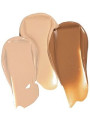
LipidSoft™ CC (Cetyl Ethylhexanoate)
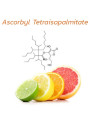

LipidSoft™ Palm (Ethylhexyl palmitate)