Improving AHA Facial Foam Formulation: pH, Mildness, and Whitening
Question
I have a facial foam formulation with the following ingredients:
- Lactic Acid 10%
- Lauryl Glucoside 5%
- Creamy Foamer 15%
- Glycerin 10%
- EmulPear 5%
- Phenoxyethanol 1%
- Water 54%
I want this formula to function as an exfoliating facial foam for whitening. Based on feedback, Lauryl Glucoside at 5% might be too harsh for the face, and I need to adjust the pH for Lactic Acid. How can I adjust this formula to make it milder for facial skin, improve the foam texture (make it softer/creamer), ensure Lactic Acid is effective and safe (correct pH), and potentially add other whitening ingredients?
Answer
Feedback on AHA Facial Foam Formula
Thank you for sharing your AHA facial foam formula and the feedback you've received. Here is an analysis of your formula and suggestions for improvement, focusing on achieving a "white face" effect through exfoliation and additional whitening agents.
Analysis of Your Current Formula
Your formula uses Lactic Acid at 10% for exfoliation, which is a good concentration for effectiveness, provided the pH is correct. The feedback you received regarding the pH is crucial.
- Lactic Acid (10%): This is the key exfoliating ingredient. For Lactic Acid to work effectively and safely, the final product's pH must be adjusted to the range of 3.5-4.0. As noted in the feedback, you will likely need to add a pH adjuster like Triethanolamine to raise the pH from its initial acidic state.
- Lauryl Glucoside (5%): As pointed out in the feedback, 5% Lauryl Glucoside can be too harsh for facial skin, potentially causing tightness or dryness. It is generally recommended for body or hair products. Consider reducing the concentration or replacing part of it with milder surfactants.
- Creamy Foamer (15%): This contributes to the foam and cleansing properties.
- Glycerin (10%): This is an excellent humectant that helps to hydrate the skin and mitigate the drying effects of surfactants and AHA.
- EmulPear (5%): This ingredient typically functions as a pearlizing agent to give the product a pearlescent appearance, not directly related to cleansing or exfoliation.
- Phenoxyethanol (1%): This is a standard preservative.
- Water (54%): The base of the formula.
Suggested Adjustments and Improvements
- pH Adjustment: After mixing all ingredients, always measure the pH. Use a pH adjuster such as Triethanolamine drop by drop, mixing thoroughly after each addition, until the pH is within the target range of 3.5-4.0. This step is essential for the Lactic Acid to function as an exfoliant and to ensure skin safety.
- Surfactant System: To make the formula milder for facial skin, consider reducing the concentration of Lauryl Glucoside. You could try reducing it to 3% or less, or replacing some of it with a milder co-surfactant like BabyFoam (Sodium Cocoyl Isethionate) as suggested in the feedback. BabyFoam also helps create a creamier, more pleasant foam.
- Foam Texture: If you want a softer, creamier foam, adding BabyFoam can help improve the sensory feel of the product during use.
Additional Whitening Agents
Since this is a wash-off product, the contact time with the skin is limited. Therefore, ingredients that provide benefits even with short contact are suitable. Besides the exfoliating effect of Lactic Acid (which helps reveal brighter skin by removing dead cells), you can add ingredients that work on melanin production or transfer.
Consider adding:
- Niacinamide (Vitamin B3): This is a versatile ingredient that can help reduce hyperpigmentation, improve skin barrier function, and has anti-inflammatory properties. It is effective even in wash-off products and is generally stable in formulas with a pH between 4.0-7.0, which is compatible with your target pH range after adjustment. You could add Niacinamide (Safe-B3) at a concentration of 1-3% (or up to 10% with the high-purity version).
- Vitamin C Derivatives: Stable forms of Vitamin C like Sodium Ascorbyl Phosphate (Vitamin C SAP) or Ascorbyl Glucoside (AA-2G) can offer antioxidant benefits and contribute to skin brightening. Sodium Ascorbyl Phosphate is stable at a slightly alkaline pH (7-9), which might be challenging to maintain alongside Lactic Acid. Ascorbyl Glucoside is more stable in the pH range of 6.5-6.8. Given your target pH of 3.5-4.0 for AHA efficacy, adding Vitamin C derivatives might be challenging for stability unless you use a form specifically stable at lower pH or accept reduced efficacy/stability. Niacinamide is generally a more straightforward addition in an AHA formula.
Important Notes
- When adding new ingredients, remember to adjust the percentage of water to keep the total formula at 100%.
- Always perform a small test batch first to check for compatibility, stability, and desired performance.
- Measure the pH accurately after adding all ingredients and adjusting with Triethanolamine.
- Conduct patch testing to ensure the final product is not irritating to the skin, especially given the Lactic Acid and surfactant system.
By adjusting the pH and potentially modifying the surfactant system, your formula can be an effective exfoliating facial foam. Adding Niacinamide can further enhance its skin brightening benefits.
Related Products Mentioned
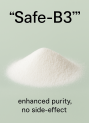
Safe-B3™ (Vitamin B3, Niacinamide)
Triethanolamine 99%
Glycerin (USP/Food Grade)
Phenoxyethanol (Extra Pure)
Lauryl Glucoside
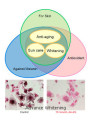
emulPearl™ (Pearlizer, Dispersed Liquid)