Improving Cream Stability at Room Temperature Without Silicones
Question
I regularly use the following emulsifiers in my cream formulation:
- Butter Cream Maker 3%
- Satin Cream Maker 1.5%
- Soft Cream Maker 5%
These three ingredients give a good cream texture right after mixing. The cream remains stable when stored in the refrigerator. However, sometimes when the cream is left outside the refrigerator, it becomes liquid.
(Apologies for not providing the specific formula that became liquid.)
I use a hand blender for mixing, not a dedicated cosmetic mixer.
My question is for general information: If I want the cream to remain stable even at room temperature, what ingredients should I add or adjust, while avoiding silicone ingredients? I recently purchased Starch Care; would adding it to the cream formula help the cream maintain stability better in hot weather?
Answer
Improving Cream Stability at Room Temperature
It's understandable that your cream is stable when refrigerated but liquefies at room temperature. This is a common challenge in cosmetic formulations, especially in warmer climates.
The stability of a cream emulsion is influenced by several factors, including the type and concentration of emulsifiers used, the oil phase percentage, the mixing method, and temperature.
You are using a combination of Butter Cream Maker, Satin Cream Maker, and Soft Cream Maker. Each of these emulsifiers has different properties and optimal usage conditions. For example, Soft Cream Maker and Butter Cream Maker require heat during mixing and have specific setting times (Soft Cream Maker takes about 48 hours to fully set, and Butter Cream Maker takes about 12 hours). Satin Cream Maker is a cold-process emulsifier.
Using a hand blender can sometimes make it harder to achieve a consistently stable emulsion compared to a dedicated cosmetic mixer that provides controlled shear. The combination of different emulsifiers and the mixing method might be contributing to the temperature sensitivity.
Regarding your question about Starch Care, it is described as an emulsion stabilizer and can help improve the overall stability of a cream. While it offers moisturizing benefits and helps with foam stability, its primary function isn't specifically enhancing heat resistance. It might provide some improvement in your formula's stability, but other ingredients may be more effective for preventing liquefaction in warm conditions.
To improve your cream's stability at room temperature without using silicones, consider the following:
- Optimize Emulsifier Usage: Review the recommended usage rates and mixing instructions for each emulsifier. You might need to adjust the concentrations or the mixing process to ensure a more robust emulsion that can withstand temperature changes. Ensure the cream is allowed sufficient time to fully set after mixing.
- Incorporate Additional Thickeners/Stabilizers: Adding a non-silicone thickener or stabilizer known for improving heat stability can significantly help. Consider ingredients like CreamThick (Hydroxypropyl Starch Phosphate), which is a natural-derived thickener that improves emulsion stability and works in a wide pH range. Another excellent option is CreamMaker EG, which is specifically noted for its stability under different conditions, including higher temperatures (up to 45°C), and provides a pleasant texture.
Experimenting with these adjustments, particularly adding a dedicated heat-stable thickener like CreamMaker EG or CreamThick, while ensuring proper mixing and setting times for your current emulsifiers, should help your cream maintain its texture better at room temperature.
Related Products Mentioned

Satin Cream Maker™
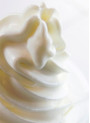
Soft Cream Maker™
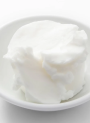
Butter Cream Maker™
Starch Care™ (Maltooligosyl Glucoside)