Improving Facial Foam Formula for Acne & Pore Cleansing
Question
I am developing a facial foam formula for pore cleansing and acne treatment, aiming for effectiveness while maintaining skin moisture and providing antibacterial/anti-inflammatory benefits. My current formula includes:
- Sulfate Free Shampoo Base
- Glycerin
- Water Lock (Polyquaternium-51)
- Tea Tree Oil (I'm considering using the oil-soluble type at up to 1% or the water-soluble type)
- Phenoxyethanol SA (Optiphen Plus)
- Xanthan Gum (I'm planning to use 1%)
- DI Water
Could you please review this formula, advise on the appropriate usage rate for Tea Tree Oil (both oil-soluble and water-soluble types for facial use), comment on the Xanthan Gum percentage and mixing procedure, and suggest any alternative or additional ingredients to enhance pore cleansing and antibacterial/anti-inflammatory effects while keeping the formula gentle and moisturizing?
Answer
Formula Review and Enhancement for Pore Cleansing and Anti-Acne Foam
Thank you for sharing your facial foam formula and your goals. Your current formula includes several good ingredients for a gentle and moisturizing cleanser. Let's review the ingredients and suggest enhancements to better meet your objectives of effective pore cleansing, maintaining skin moisture, and providing antibacterial and anti-inflammatory benefits.
Review of Your Current Formula Ingredients
- Sulfate Free Shampoo Base: This base provides gentle cleansing without harsh sulfates, which helps prevent stripping the skin's natural moisture. It's a good starting point for a non-drying formula.
- Glycerin: A well-known humectant that draws moisture into the skin, helping to keep it hydrated during cleansing.
- Water Lock (Polyquaternium-51): This ingredient acts as a conditioning agent, leaving a soft feel on the skin and helping to reduce the feeling of dryness after washing.
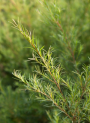
- Tea Tree Oil: Known for its antibacterial and anti-inflammatory properties, making it suitable for acne-prone skin. As the staff mentioned, the usage rate needs careful consideration. For facial skin, the oil-soluble type should be used at no more than 0.5%, while the water-soluble type can be used up to 2%. Using too high a concentration can cause irritation.
- Phenoxyethanol SA (Optiphen Plus): A broad-spectrum preservative essential for preventing microbial growth in the product.
- Xanthan Gum: Used as a thickener to create the desired gel texture. As advised by the staff, 1% is likely too high and can result in a stringy texture. Reducing it to around 0.5% is recommended. Proper mixing by dispersing it in water first is crucial to avoid clumps and ensure a smooth gel.
- DI Water: The primary solvent for the water-based ingredients.
Enhancing the Formula
To improve pore cleansing and boost antibacterial/anti-inflammatory effects while maintaining gentleness, consider these suggestions:
For Enhanced Pore Cleansing and Gentleness
While your current base is gentle, incorporating or substituting with amino acid-based surfactants can further enhance mildness and potentially improve cleansing within pores. Consider these gentle options:
- Sodium Lauroyl Glycinate
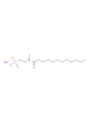
- Sodium Lauroyl Methyl Taurate
- Potassium Cocoyl Glycinate
These surfactants are derived from amino acids, are very gentle on the skin, produce good foam, and are effective at lifting impurities without causing dryness.
For Enhanced Antibacterial and Anti-Inflammatory Effects
Beyond adjusting the Tea Tree Oil concentration, you can add ingredients specifically known for targeting acne-causing bacteria and reducing inflammation:
- Acne-TT™ (Standardized Tea Tree Extract For Acne): This is a highly concentrated extract of the active component (Terpinen-4-ol) from Tea Tree Oil, specifically developed for acne formulations. It offers potent antibacterial and anti-inflammatory effects at a lower usage rate (0.1-0.5%) compared to traditional Tea Tree Oil, potentially reducing irritation.
- Pure-TECA™ Centella Asiatica Extract (CICA): Known for its strong anti-inflammatory and skin-healing properties. Adding this can help soothe irritated skin and reduce redness associated with acne.
Mixing Instructions (Reiterating Staff Advice)
It is crucial to properly hydrate the Xanthan Gum. Mix it thoroughly with the DI Water first, blending until a smooth, lump-free gel is formed before adding other ingredients. Adding Xanthan Gum later, especially after surfactants, can make it difficult to dissolve and increase foaming during mixing.
Summary of Recommendations
- Adjust Tea Tree Oil usage based on type (oil-soluble max 0.5% on face, water-soluble max 2% on face) or consider replacing with Acne-TT™ (0.1-0.5%).
- Reduce Xanthan Gum to around 0.5% for better texture.
- Always mix Xanthan Gum with DI Water first before adding other ingredients.
- Consider incorporating or substituting with gentle amino acid surfactants like Sodium Lauroyl Glycinate, Sodium Lauroyl Methyl Taurate, or Potassium Cocoyl Glycinate for enhanced mild cleansing.
- Add Pure-TECA™ Centella Asiatica Extract for additional anti-inflammatory benefits.
By adjusting the usage rates and considering these alternative/complementary ingredients, you can create a facial foam that effectively cleanses pores, is gentle and non-drying, and provides targeted antibacterial and anti-inflammatory action for acne-prone skin.
Related Products Mentioned
Glycerin (USP/Food Grade)
Tea Tree Oil (Extra Grade, Terpinen‑4‑OL >43%, Australian)
Tea Tree Oil (Water Soluble)
Purified Water, TDS Limit 1PPM)

Phenoxyethanol SA (eq. Optiphen Plus)
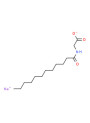
Sodium Lauroyl Glycinate