Improving Gel Face Wash Texture and Rinse Feel
Question
I am developing a gel face wash formula, but I encountered two issues. First, the texture doesn't form a proper gel. Second, it leaves a slippery, unclean feeling residue after rinsing, unlike soap. My formula likely contains ingredients like Carbomer 940 for gelling and possibly conditioning polymers such as Polyquaternium-51 (WaterLock) or Polyquaternium-47 (Poly-Conditioner 47). How can I adjust the formula to achieve a better gel texture and a cleaner rinse feel?
Answer
Improving Your Gel Face Wash Formula
Regarding the gel face wash formula you attached, it seems you encountered two main issues: the texture wasn't quite a gel, and it left a slippery residue after rinsing, unlike soap. This slippery feeling is common with some types of gel cleansers compared to traditional soap.
Here's a breakdown of why this might happen and how to adjust your formula for a cleaner rinse feel and better gel texture:
Why the Slippery Feel?
The slippery or "coated" feeling often comes from the ingredients used to make the cleanser mild or conditioning. Common culprits include:
- Certain Surfactants: While gentle, some surfactant combinations can leave a slight film on the skin.
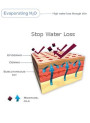
- Conditioning Agents: Ingredients specifically added for a soft skin feel, such as Polyquaternium polymers, are designed to deposit on the skin and can cause this slippery sensation. For example, ingredients like WaterLock (Polyquaternium-51) and Poly-Conditioner 47 (Polyquaternium-47) are known to provide a conditioning feel that might be perceived as slippery if not balanced in the formula.
How to Get a Cleaner Rinse Feel
To achieve a feel closer to soap (without the potential dryness), you can modify the surfactant system and reduce conditioning agents:
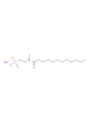
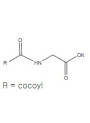
- Adjust Surfactant Blend: Consider using anionic surfactants known for a clean rinse, balanced with milder co-surfactants. Examples of surfactants that can contribute to a clean feel include BabyFoam (Sodium Cocoyl Isethionate) or IseFoam (Sodium Lauroyl Methyl Isethionate). You can combine these with gentle amino acid-based surfactants like Sodium Cocoyl Glycinate or Sodium Lauroyl Methyl Taurate to maintain mildness while improving the rinse-off.
- Reduce or Remove Conditioning Polymers: If your formula contains ingredients like Polyquaternium-51 (WaterLock) or Polyquaternium-47 (Poly-Conditioner 47), try reducing their concentration or removing them entirely. These ingredients are designed to leave a film for conditioning, which is likely causing the slippery feel you want to avoid.
Improving Gel Texture
If your formula didn't form a proper gel, it could be related to the thickener used or how it was incorporated. Carbomers, such as Carbomer 940, are common gelling agents for clear water-based systems. Ensure you are using the correct amount and properly neutralizing it with an alkali (like Triethanolamine or Sodium Hydroxide) to activate the gelling. Also, check for ingredient incompatibilities, as some ingredients (like high levels of electrolytes) can interfere with Carbomer gelling.
By adjusting the types and amounts of surfactants and reducing or removing conditioning polymers, you should be able to create a gel face wash that feels clean and rinses off without the slippery residue.
Related Products Mentioned
WaterLock™ (Polyquaternium-51)
Carbomer 940 (EasyDisperse™, France)
Sodium Cocoyl Glycinate