Improving Hair Mask Formula and Reducing Foam
Question
How can I improve my rinse-off hair mask formula (containing Water, Cetearyl Alcohol, GuarCat, Mineral Oil, Cetrimonium Chloride, Cyclopentasiloxane, Phenoxyethanol) to make hair feel heavier and less frizzy after use, and what are the recommended mixing steps to reduce excessive foam during production?
Answer
Improving Hair Mask Formula for Weight and Reducing Foam
Hello, I understand the issues you're facing with your rinse-off hair mask formulation – hair feeling frizzy and lacking weight after use, and excessive foaming during mixing.
Cause and Solutions for Frizzy Hair Lacking Weight:
Your formula uses Cyclopentasiloxane, which is a volatile silicone. This type of silicone evaporates easily, providing a lightweight feel but not leaving a significant film to weigh the hair down. The 2% Mineral oil might also not be enough to provide substantial weight.
To make the hair feel heavier, straighter, and more weighed down after use, you can consider adding ingredients that provide more substantive conditioning and film formation:
- Non-volatile Silicones: Such as Dimethicone or Amodimethicone. These silicones form a more durable film on the hair shaft, providing excellent frizz control, shine, and a smoother, heavier feel.
- Product Examples: Dimethicone (Light/50, Low-Odor), Amodimethicone (1,500cps)
- Heavier Conditioning Agents: Such as Behentrimonium Chloride (BTAC) or Behentrimonium methosulfate (BTMS). These are cationic ingredients that adhere well to the hair, providing significant conditioning, making hair soft, easy to comb, and adding weight.
- Product Examples: Behentrimonium Chloride (BTAC), Behentrimonium methosulfate (BTMS 90%)
- Heavier Oils or Butters: Such as Shea Butter. Increasing the amount of Mineral oil or adding Shea Butter to the formula can also add more emolliency and weight to the hair.
- Product Example: Shea Butter (Ultra Soft)
Using one or a combination of these ingredients (starting with small percentages and adjusting) should help achieve the desired hair feel.
Cause and Solutions for Excessive Foaming During Mixing:
Foaming during mixing is primarily caused by incorporating air into the mixture, especially with high-speed mixing or turbulent stirring. The Cetrimonium Chloride in your formula can also stabilize the foam.
To minimize foaming during mixing:
- Mix Gently: Avoid vigorous stirring or whipping. Use a lower speed if using a mechanical mixer, or mix gently by hand with a spatula or paddle.
- Avoid Incorporating Air: Carefully pour liquid ingredients down the side of the container rather than directly into the center. Keep the mixing tool submerged in the cream to avoid creating surface bubbles.
- Allow Setting Time: After mixing, if foam is still present, let the cream sit undisturbed for a while to allow trapped air bubbles to rise and dissipate.
Adjusting your mixing technique to be gentler and avoid incorporating air should significantly reduce the foaming issue.
Related Products Mentioned
Shea Butter (Ultra Soft)
Dimethicone (Light/50, Low-Odor)
Behentrimonium Chloride (BTAC)
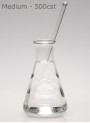
Dimethicone (Medium/500, Low-Odor)
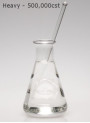
Dimethicone (Heavy/500k, Low-Odor)

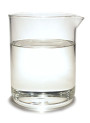
Amodimethicone (1,500cps)
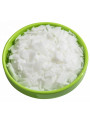
Behentrimonium methosulfate (BTMS 90%)