Improving Melasma Formula: Adding Gentle & Effective Ingredients
Question
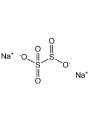
I am developing a formula for melasma. My previous attempt caused acne, possibly due to strong ingredients like Activated Resorcinol. My current base formula includes Pro Polymer, Tranexamic Acid, Calendula Extract, Apple Stem Cell Extract, Mahad Extract, and Mild Preserved. How can I improve this formula to be more effective for melasma treatment while being gentle on the skin and minimizing the risk of acne or irritation? I am aiming for a total active ingredient concentration around 15%. I am also aware that Mahad Extract needs stabilizers like Sodium Metabisulfite (0.1%) and Disodium EDTA (0.2%) and the formula pH should be 4-6.
Answer
Improving Your Melasma Formula
It's understandable that you're adjusting your formula after experiencing acne. It's possible that some ingredients or their concentrations in your initial attempt were too irritating for your skin, especially potent whitening agents like Activated Resorcinol, which the staff also noted can be strong.
Your current formula with Pro Polymer, Tranexamic Acid, Calendula Extract, Apple Stem Cell Extract, Mahad Extract, and Mild Preserved is a good base for targeting melasma while including soothing ingredients like Calendula Extract and Apple Stem Cell Extract.
To potentially enhance the melasma treatment and make the formula more skin-friendly and less prone to causing breakouts, you could consider adding ingredients that offer multiple benefits, including anti-inflammatory, barrier support, and complementary whitening effects. Aiming for a total active ingredient concentration around 15% (as suggested by the staff) is a good guideline, but always prioritize how your skin reacts.
Here are a few ingredients you could consider incorporating:
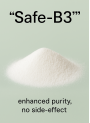
Niacinamide (Vitamin B3): This is a versatile ingredient that can help reduce hyperpigmentation, strengthen the skin barrier, reduce inflammation, and even help control oiliness, which can be beneficial for acne-prone skin. Using a high-purity version like Safe-B3™ can minimize the risk of flushing or irritation often associated with Niacinamide. It can be used at concentrations from 1% up to 10% (Safe-B3™ can be used up to 10% without flushing).
Allantoin: Known for its soothing and anti-irritant properties, Allantoin can help calm the skin and reduce redness, making your formula more comfortable, especially when using active ingredients. It also supports skin regeneration. A typical usage rate is 0.1-2.0%.
Hyaluronic Acid: Adding Hyaluronic Acid (consider using a combination of different molecular weights, like Standard Molecule and Small Molecule) can significantly boost hydration without feeling heavy. Good hydration helps maintain a healthy skin barrier, which is crucial for preventing irritation and improving overall skin resilience. Usage rates are typically 0.05-0.5%.
Ascorbyl Glucoside (Stabilized Vitamin C): This is a stable derivative of Vitamin C that offers whitening and antioxidant benefits. It's generally less irritating than L-Ascorbic Acid and can work synergistically with Tranexamic Acid to target pigmentation. It's typically used at 2-10%.
When incorporating new ingredients, introduce them gradually and test the final formula on a small area of your skin first to ensure compatibility and check for any adverse reactions. Remember that Mahad Extract (Artocarpus Lakoocha Wood Extract) benefits from stabilizers like Sodium Metabisulfite (0.1%) and Disodium EDTA (0.2%) for long-term stability, and the formula pH should be in the range of 4-6.
By adding ingredients like Niacinamide, Allantoin, and Hyaluronic Acid, you can create a more comprehensive formula that not only targets melasma effectively but also supports skin health and reduces the likelihood of irritation and acne.
Related Products Mentioned
Safe-B3™ (Vitamin B3, Niacinamide)

Allantoin

Calendula Extract (Water Soluble)
Disodium EDTA
Pro Polymer™ (Gel Maker)
Mild Preserved Eco™ (Preservative-Free)
Tranexamic Acid (Trans-White™)