Improving Natural Body Cream Formulation Stability
Question
I am trying to create a natural body cream formulation using `Xanthan Gum` at 5% and `Soy Lecithin` as the emulsifier. However, the cream is separating and does not adhere well to the inside of a pump bottle.
How can I improve this formulation to make a stable natural cream suitable for a pump bottle?
Answer
Natural Body Cream Formulation Improvement
Based on the formula you tried and the issues of the cream separating and not adhering well in a pump bottle, this is likely due to a combination of factors:
- High Xanthan Gum Percentage: According to the correct usage information, Xanthan Gum has a recommended usage rate of 0.1-2%. Using 5% makes the texture too thick and can easily lead to separation.
- Soy Lecithin Not Ideal for High Water Formulas: Soy Lecithin is suitable for formulas with a high oil content (75-80%) and low water content (10-15%) to help emulsify large amounts of oil. If the formula has a high water content (45% in your original formula), Soy Lecithin alone may not be sufficient to create a stable emulsion.
Revised Natural Cream Formula
To achieve a more stable cream texture suitable for a pump bottle while remaining natural, it is recommended to adjust the formula by using an emulsifier that is more suitable for formulas with water as the main component and reducing the amount of Xanthan Gum to within the appropriate range.
Example Natural Cream Formula (Approximate Ratios):
- Phase 1 (Water Phase):
- Water: 65%
- Natural Moisturizing Amino Acids: 4% (Helps increase moisture)
- Xanthan Gum (clear gel type): 0.5% (Helps increase viscosity and provide stability)
- NaturePreserve™ Ultra or NaturePreserve™ LB2: 1.5% (Natural preservative)
- Phase 2 (Oil Phase):
- Natural Oil (e.g., Olive Oil, Grape Seed Oil, Squalane, or a blend): 25%
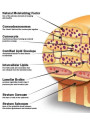
- LeciCream™: 4% (Natural emulsifier, helps bind water and oil)
Approximate Procedure:
- Combine Phase 1 ingredients (except the preservative). Slowly sprinkle Xanthan Gum into the water while stirring or blending until it is well dispersed and forms a gel.
- Combine Phase 2 ingredients. Stir until well mixed.
- Slowly pour Phase 2 into Phase 1 while stirring or blending at a reasonably high speed to disperse the oil in the water and form a cream texture.
- Once a smooth, uniform cream is formed, add the preservative (NaturePreserve™ Ultra or NaturePreserve™ LB2) and stir until combined.
- Adjust the pH of the formula to be within the range where the preservative is effective (NaturePreserve™ Ultra works well at pH 3-6).
- Note: This formula is a basic example. Ratios can be adjusted depending on the desired texture and stability. It is recommended to test a small batch before making a larger quantity.*
Natural Preservatives
In addition to NaturePreserve™ Ultra that you are currently using, other natural preservatives you can consider include:
- NaturePreserve™ LB2: Another type of natural preservative.
- PaeoniaPreserve™: A natural preservative.
You should choose based on the suitability for your formula and the pH range where each preservative is effective.
Ingredients to Increase Moisture
If you want to add more moisture to the cream, you can add these ingredients to the water phase:
- Natural Moisturizing Amino Acids: A blend of amino acids that mimic the skin's Natural Moisturizing Factors (NMF), helping the skin retain moisture effectively.
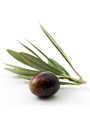
- Squalane (Olive): A natural oil derived from olives, similar in structure to the skin's natural oils. It helps keep the skin soft, moisturized, and non-greasy. It can be added to the oil phase.
Choosing Oils for Lighter Cream Color
Extra Virgin Olive Oil may have a light yellow or green tint, which can affect the color of the cream. If you want a lighter colored cream, you can choose other natural oils that are lighter in color or blend them with other oils, such as:
- Grape Seed Oil (Cold-Pressed): A light-colored oil often used in skincare products.
- Squalane (Olive): A clear, odorless oil suitable for formulas where a lightweight feel and no color are desired.
Using refined oils can also result in a lighter color, but some properties may differ from cold-pressed or extra virgin versions.
Related Products Mentioned
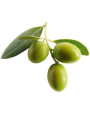
Olive Oil (Extra Virgin)
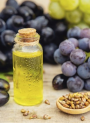
Squalane (Olive)


PaeoniaPreserve™ (Natural Preservative)