Improving Texture and Hydration in Anti-Aging/Brightening Gel Formula
Question
I have created an anti-aging and skin brightening gel formula using an Aloe Vera Gel base. The formula contains the following active ingredients:
- Acetyl Hexapeptide-8 (Argireline) 10%
- Matrixyl 3000 8%
- Beta Glucan 1%
- GlucoBright (Acetyl Glucosamine) 2%
- Safe-B3 (Vitamin B3) 5%
After mixing these active ingredients into the Aloe Vera Gel base, the resulting texture feels rough or stiff (สากผิว) and causes small bumps (ผด).
I would like to know:
- Is this formula suitable and effective for anti-aging and brightening?
- Can this formula be used around the eyes?
- Is the preservative (Phenoxyethanol 0.4%) already in the Aloe Vera Gel base sufficient, or do I need to add more?
- Is there a specific required ratio for using Acetyl Hexapeptide-8 and Matrixyl 3000 together?
- What are the maximum recommended concentrations for these active ingredients, especially since I used Matrixyl 3000 at 8%?
- What is causing the roughness/stiffness and small bumps, and how can I improve the texture and skin feel?
Answer
Analysis and Suggestions for Your Gel Formula
Based on your experience with the anti-aging gel and the previous discussion, it seems the formula, while containing effective anti-aging and whitening ingredients, might be lacking in components that provide sufficient hydration and a smooth skin feel. This could explain the feeling of roughness and the appearance of small bumps.
1. Formula Suitability and Efficacy
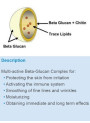
The combination of Acetyl Hexapeptide-8 (Argireline), Matrixyl 3000, Beta Glucan, GlucoBright (Acetyl Glucosamine), and Safe-B3 (Vitamin B3) in an Aloe Vera Gel base is effective for targeting wrinkles and providing whitening benefits, as previously confirmed. Acetyl Hexapeptide-8 works on expression lines, while Matrixyl 3000 helps stimulate collagen. Beta Glucan offers soothing and skin-strengthening benefits. GlucoBright and Safe-B3 contribute to brightening and improving skin tone, and Safe-B3 also helps with the skin barrier and potential dark circles.
2. Use Around the Eyes
Yes, this formula can be used around the eyes to help with wrinkles and dark circles (due to the Safe-B3).
3. Preservative
As previously discussed, since your Aloe Vera Gel base already contains Phenoxyethanol 0.4%, you do not need to add extra preservative for the active ingredients you've included at these concentrations.
4. Argireline and Matrixyl 3000 Ratio
There isn't a specific required ratio for Acetyl Hexapeptide-8 and Matrixyl 3000 when used together, as they are different peptides from different sources. They work through different mechanisms (Acetyl Hexapeptide-8 relaxes muscle tension, Matrixyl 3000 stimulates collagen). Using them together leverages both mechanisms.
5. Maximum Concentration
For maximum efficacy without increasing the risk of irritation, it's best to follow the recommended usage rates for each ingredient.
- Acetyl Hexapeptide-8 (Argireline) can be used up to 10%.
- Matrixyl 3000 is typically recommended at 3-5%, with 3% being a common effective concentration. The product description indicates experimental results up to 5%. Using 8% might be higher than the typical tested range for this specific Matrixyl 3000 product. Sticking to 5% for Matrixyl 3000 and up to 10% for Acetyl Hexapeptide-8 would be within recommended guidelines.
6. Roughness and Small Bumps
The feeling of roughness or stiffness and the small bumps you experienced after adding the active ingredients likely stem from the gel's texture and potentially insufficient hydration or soothing support for the high concentration of actives.
- Lack of Moisture/Emollients: While Aloe Vera Gel and Beta Glucan offer some soothing and skin-conditioning benefits, they are not primary humectants or emollients designed to make the skin feel soft and smooth. A gel base, especially a simple one, might not provide enough slip or hydration on its own when combined with multiple powder/liquid actives.
- Active Concentration: High concentrations of multiple active ingredients, even beneficial ones, can sometimes lead to mild irritation or overwhelm the skin barrier, especially if the base doesn't provide adequate cushioning or hydration.
To improve the texture and skin feel, and potentially reduce irritation, consider adding moisturizing ingredients:
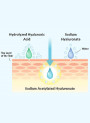
- Hyaluronic Acid: This is an excellent humectant that draws moisture into the skin and can significantly improve the feel and hydration level of a gel. Different molecular weights offer different benefits:
- Small Molecule Hyaluronic Acid penetrates deeper for hydration.
- Standard or Large Molecule Hyaluronic Acid forms a film on the surface, providing immediate hydration and improving skin feel.
- Multi-molecular weight Hyaluronic Acids (like 4D or 8D Hyaluron) offer comprehensive hydration across skin layers and can greatly enhance texture.
- Super-HYA (Sodium Acetylated Hyaluronate) has enhanced absorption and can provide a non-greasy, smooth feel.
Adding Hyaluronic Acid (e.g., 0.1-0.5% of a standard/large molecule or a multi-molecular blend) can make the gel feel much smoother and more hydrating.
- D-Panthenol (Pro-Vitamin B5): This is another great humectant with soothing and skin-barrier strengthening properties. Adding 1-3% D-Panthenol can improve hydration, reduce potential irritation, and make the gel feel more comfortable on the skin.
- Glycerin: While already present in some ingredients (like Matrixyl 3000), adding a small amount (e.g., 1-5%) of Glycerin can boost hydration, but be mindful that too much can feel sticky.
Adding one or a combination of these moisturizing ingredients will help counteract the potentially drying or stiffening effect of the actives and base, leading to a more pleasant texture and better skin tolerance. You might need to slightly adjust the percentage of the Aloe Vera Gel base to accommodate the added ingredients while keeping the total formula at 100%.
Related Products Mentioned
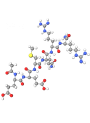
Acetyl Hexapeptide-8 (eq Argireline)
Pal-GHK, Pal-GQPR (eq Matrixyl 3000)
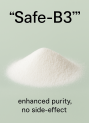
Safe-B3™ (Vitamin B3, Niacinamide)
GlucoBright™ (Acetyl Glucosamine)
Glycerin (USP/Food Grade)

4D Hyaluronic Acid
8D Hyaluronic Acid