Improving Whitening Butter Cream: Reducing Stickiness and Addressing Ingredient Compatibility
Question
I am developing a whitening butter cream formulation with the following ingredients:
- Glycolic Acid (AHA)
- Vitamin E
- Allantoin
- Kojic Acid Dipalmitate (3%)
- Safe-B3™ (Niacinamide) (4%)
- GlucoBright™ (Acetyl Glucosamine) (4%)
- Butter Cream Maker™
- Fractionated Coconut Oil
- Cetearyl Alcohol
- Glyceryl Stearate
- Reservoir-Tech
The current formulation is experiencing issues with stickiness and is hard to spread. I understand that Glycolic Acid and Vitamin E might contribute to the stickiness. I also received feedback that:
- Glycolic Acid needs a low pH for efficacy, which conflicts with the optimal pH for other whitening ingredients like Safe-B3™ and GlucoBright™ (5.0-6.0), and Kojic Acid Dipalmitate (4.0-6.0).
- Allantoin has limited solubility in water (approx. 0.5% in the water phase, not 0.5% of the total formula).
How can I modify this formula to reduce stickiness, improve spreadability, and ensure the stability and efficacy of the whitening ingredients, considering the pH compatibility issues and Allantoin solubility?
Answer
Formula Improvement Suggestions for Your Whitening Butter Cream
Based on the formula you provided and the feedback received, here's an analysis of the issues and suggestions for improving your whitening butter cream, focusing on reducing stickiness and ensuring ingredient efficacy.
Analysis of Current Formula Issues
- Stickiness and Spreadability: The main culprits for the sticky and hard-to-spread texture are likely Glycolic Acid and potentially the overall balance of your emulsifier and oil phase ingredients (Cetearyl Alcohol, Glyceryl Stearate, Butter Cream Maker™, Fractionated Coconut Oil).
- pH Compatibility Conflict: This is a critical issue. Glycolic Acid requires a low pH (3.0-4.0) to be effective. However, your other key whitening ingredients, Safe-B3™ (Niacinamide) and GlucoBright™ (Acetyl Glucosamine), are most stable and effective at a higher pH (5.0-6.0). Kojic Acid Dipalmitate is also best in a slightly acidic to neutral range (4.0-6.0). You cannot have all these ingredients working optimally in the same formula due to this pH conflict.
- Allantoin Solubility: Allantoin has limited solubility in water (around 0.5% in the water phase). Using 0.5% of the total formula might exceed this limit in the water portion, potentially affecting texture.
Recommended Formula Modifications
To create a less sticky, more spreadable, stable, and effective whitening butter cream, consider these changes:
- Remove Glycolic Acid: It is highly recommended to remove Glycolic Acid from this formula. This eliminates the pH conflict, allowing your other potent whitening agents (Kojic Acid Dipalmitate, Safe-B3™, GlucoBright™) to work effectively at a stable, skin-friendly pH (5.0-6.0). Removing AHA will also significantly reduce the stickiness.
- Adjust Allantoin: Slightly reduce the concentration of Allantoin, perhaps to 0.2-0.3% of the total formula, to ensure it fully dissolves in the water phase.
- Optimize Texture (Optional): After removing Glycolic Acid, the texture should improve. If it's still too heavy, you could slightly reduce the total percentage of the oil/emulsifier phase or incorporate a small amount of a lighter silicone like Dimethicone to improve slip.
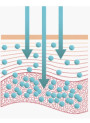
- Maintain Key Whitening Ingredients: Keep Kojic Acid Dipalmitate (3%), Safe-B3™ (4%), and GlucoBright™ (4%). These are effective whitening agents that work well together at a pH of 5.0-6.0. Reservoir-Tech will help their penetration.
- Ensure Correct pH: After making changes, adjust the final pH of the cream to be between 5.0 and 6.0 for optimal stability and efficacy of the remaining whitening ingredients.
By making these adjustments, you will resolve the pH incompatibility, reduce stickiness, improve spreadability, and create a stable and effective night cream for skin whitening with a pleasant butter-like texture.
Related Products Mentioned
Vitamin E (Tocopheryl Acetate)
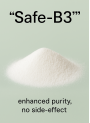
Safe-B3™ (Vitamin B3, Niacinamide)

Allantoin
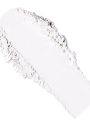
GlucoBright™ (Acetyl Glucosamine)
Propylene Glycol (USP)
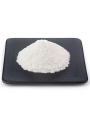
Kojic Acid Dipalmitate
Phenoxyethanol (Extra Pure)
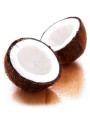
Fractionated Coconut Oil
Disodium EDTA
Cetearyl Alcohol (50/50, e.q. Lanette O)
Glycopure™ (Glycolic Acid (AHA) Powder)
Butter Cream Maker™