Increasing Oil Free Titanium Dioxide/Zinc Oxide Nano in Sunscreen Formulation (SPF 40, 100 Test Results)
Question
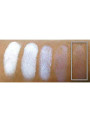
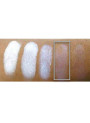
Considering increasing the percentage of Oil Free Titanium Dioxide Nano and Oil Free Zinc Oxide Nano beyond 10% in a sunscreen formulation, especially given test results showing SPF ~40 at 20% and SPF ~100 at 30% (in-vitro):
- What are the pros and cons of using concentrations higher than 10%?
- What is the maximum percentage that can be included, both from a regulatory standpoint and a practical formulation perspective?
Answer
Increasing Titanium Dioxide and Zinc Oxide in Sunscreen
Regarding your question about increasing the percentage of Oil Free Titanium Dioxide Nano and Oil Free Zinc Oxide Nano beyond 10% in a formulation:
1. Pros and Cons of Using More Than 10%
Pros: Increasing the concentration of these physical sunscreens will generally increase the level of UV protection. Zinc Oxide provides broad-spectrum protection (UVA and UVB), while Titanium Dioxide primarily protects against UVB and some UVA. Higher percentages can contribute to higher SPF values and better UVA protection.
Cons:
- Cost: The price of the product will increase significantly with higher concentrations of active ingredients.
- Texture and Feel: This is often the biggest challenge. Physical sunscreens, especially at high percentages, tend to make formulations very thick, heavy, and sticky. This can make the product unpleasant to apply and wear.
- Whiteness: While nano forms are designed to minimize this, higher concentrations can still leave a noticeable white cast on the skin, particularly on darker skin tones.
- Diminishing Returns: As discussed in the previous conversation, the increase in sun protection efficacy (especially SPF) becomes less significant at very high concentrations. For example, increasing from SPF 30 (blocking ~97% of UVB) to SPF 50 (blocking ~98%) requires a substantial increase in sunscreen agents, often leading to the texture issues mentioned above.
- Application Amount: Because high-concentration formulas can be thick and white, users may apply less product than needed to achieve the stated SPF, compromising the actual protection received.
2. Maximum Usage Percentage
- Regulatory Limits: Regulatory bodies like the FDA have limits on the maximum percentage of active sunscreen ingredients allowed in formulations. For example, active Zinc Oxide is typically limited to 25%, and Titanium Dioxide also has limits, often around 25%. These are safety limits.
- Practical Limits: The practical maximum percentage is often much lower than the regulatory limit and is determined by the desired texture, feel, and aesthetic of the final product. A formulation with very high percentages (e.g., 20% Titanium Dioxide and 20% Zinc Oxide) would likely be extremely thick, difficult to spread, and leave a significant white cast, making it impractical for cosmetic use.
- Typical Usage: Based on product information, typical usage rates for nano Titanium Dioxide and Zinc Oxide dispersions in cosmetic formulations range from 1% up to 25-50%, depending on the specific product form (powder, dispersion, particle size) and the desired SPF/UVA protection level, while balancing texture and whiteness.
In summary, while increasing the percentage can boost protection, the practical limitations of texture, whiteness, cost, and diminishing returns on efficacy mean that there is a point where adding more doesn't provide a significant benefit and makes the product less user-friendly. Formulators aim to balance efficacy with cosmetic elegance within regulatory limits.