Ingredient Analysis of a Serum/Essence Formulation
Asked by: paosk119
On: March 08, 2020
Product Type:
Cosmetics
Answered
Question
Please analyze the following ingredient list for a cosmetic formulation and explain the function of each ingredient and the overall product type and benefits:
- Water
- Sea Kelp (Lactobacillus/Kelp Ferment Filtrate) Bioferment
- Sodium PCA
- Magnesium Ascorbyl Phosphate (Vitamin C)
- Sodium Hyaluronate (Hyaluronic Acid)
- Ferulic Acid
- Aloe Barbadensis (Aloe Vera) Leaf Extract
- Camellia Sinensis (Green Tea) Epigallocatechin Gallate
- Niacinamide
- Carnosine
- Hesperidin Methyl Chalcone
- Carnitine
- Tetrahydrodiferuloylmethane (and) Tetrahydrodemethoxydiferuloylmethane (and) Tetrahydrobisdemethoxydiferuloylmethane
- Sorghum Bicolor Leaf/Stem Extract
- Lycopene
- Astaxanthin
- Fucoxanthin
- Porphyridium Polysaccharide
- Glutathione
- sh-Polypeptide-2
- sh-Polypeptide-77 (Glutaredoxin (GRX))
- Superoxide Dismutase
- Citric Acid
- Propylene Glycol (and) Diazolidinyl Urea (and) Methylparaben (and) Propylparaben
Answer
Cosmetic Formulation Ingredients Analysis
This list of ingredients appears to be from a water-based cosmetic product, likely a serum or essence, focusing on hydration, anti-aging, antioxidant protection, and skin brightening.
Here are some of the key ingredients and their functions:
Hydration and Moisturizing
- Water: The primary solvent and base of the formulation.
- Sea Kelp Bioferment (Lactobacillus/Kelp Ferment Filtrate): Provides moisturizing and nourishing benefits. It contains nutrients like Fucoidan, Cysteine, Lysine, and others that help maintain skin balance, strengthen sensitive skin, build immunity, and stimulate circulation for a radiant look. It also has antioxidant properties and can help repair damaged skin cells.
- Sodium PCA: A natural moisturizing factor (NMF) component found in the skin. It helps balance and moisturize the skin, preventing moisture loss and keeping the skin hydrated and strong.
- Sodium Hyaluronate (Hyaluronic Acid): A form of Hyaluronic Acid, known for its excellent ability to attract and retain moisture, providing hydration and plumping the skin.
Antioxidant and Anti-Aging
- Magnesium Ascorbyl Phosphate (Vitamin C): A stable form of Vitamin C. It acts as an antioxidant and is used for skin brightening (whitening) and potentially anti-aging benefits by stimulating collagen production.
- Ferulic Acid: A powerful antioxidant found in plants. It helps protect against free radicals and can enhance the stability and effectiveness of other antioxidants like Vitamin C and Vitamin E. It also helps prevent skin damage from UVB light.
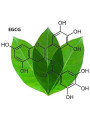
- Camellia Sinensis (Green Tea) Epigallocatechin Gallate (EGCG): A potent antioxidant from green tea extract. It helps protect the skin from free radical damage and can also help reduce skin oiliness.
- Niacinamide (Vitamin B3): A versatile ingredient with multiple benefits, including reducing wrinkles, improving hyperpigmentation (redness/darkness), increasing moisture by stimulating ceramide and collagen production, strengthening the skin barrier, fighting irritation, and reducing oiliness.
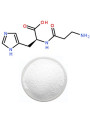
- Carnosine: An amino acid with research supporting its benefits in preventing glycation, protecting from UV damage, supporting wound healing, moisturizing, acting as an antioxidant, and restoring skin barrier function.
- Tetrahydrodiferuloylmethane (and) Tetrahydrodemethoxydiferuloylmethane (and) Tetrahydrobisdemethoxydiferuloylmethane: These are derivatives of Curcumin (found in Turmeric) and are known for their antioxidant and skin brightening properties.
- Lycopene: A powerful antioxidant carotenoid, often sourced from tomatoes, known for its ability to protect cells from damage.
- Astaxanthin: A potent antioxidant derived from algae. It helps protect skin from UV damage and improves skin moisture and elasticity.
- Glutathione: A high-purity antioxidant that can help brighten the skin through its antioxidant process.
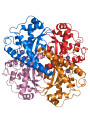
- Superoxide Dismutase (SOD): A crucial antioxidant enzyme that acts as the first line of defense against free radicals, helping to restore skin strength and reduce cell damage.
Soothing and Other Benefits
- Aloe Barbadensis (Aloe Vera) Leaf Extract: Contains glycoproteins and polysaccharides that help condition the skin, reduce irritation (like sunburn), and provide moisture.
- Hesperidin Methyl Chalcone: Often used in eye creams to help reduce the appearance of dark circles and puffiness by improving capillary circulation.
- Carnitine: An amino acid that can play a role in skin conditioning.
- Sorghum Bicolor Leaf/Stem Extract: Can offer various skin benefits, potentially including antioxidant or soothing properties.
- Porphyridium Polysaccharide: A type of algae-derived polysaccharide that can provide moisturizing and film-forming properties.
Preservative System
- Propylene Glycol (and) Diazolidinyl Urea (and) Methylparaben (and) Propylparaben: This combination acts as a preservative system to prevent the growth of bacteria, yeast, and mold in the water-based formulation, ensuring product safety and shelf life. Diazolidinyl Urea is a formaldehyde-releasing preservative.
Peptides
- sh-Polypeptide-2, sh-Polypeptide-77 (Glutaredoxin (GRX)): These are likely signaling peptides or proteins included for their potential to interact with skin cells and promote various beneficial responses, such as repair or antioxidant defense.
pH Adjuster
- Citric Acid: Commonly used to adjust the pH of cosmetic formulations.
This formulation combines a wide array of ingredients targeting hydration, antioxidant protection, anti-aging, and skin barrier support, along with a standard preservative system.
Related Products Mentioned
Safe-B3™ (Vitamin B3, Niacinamide)
Cosmetics

Sea Kelp Extract
Cosmetics
Pure-Ferulic Acid™
Cosmetics
Sodium PCA 50%
Cosmetics
L-Carnosine
Cosmetics
Magnesium Ascorbyl Phosphate
Cosmetics
Pure-EGCG™ (Green Tea Extract, 98% EGCG)
Cosmetics
SOD (Superoxide dismutase) (50000IU/g)
Cosmetics
Hyaluronic Acid Gel Base
Cosmetics
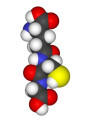
Glutathione (L-Glutathione Reduced)
Cosmetics
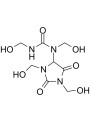
Diazolidinyl Urea
Cosmetics
Tomato Natural Water Soluble Color
Cosmetics