Ingredient Analysis of a Sunscreen Formulation
Question
Could you please analyze the following ingredient list and explain the function of each component in the formulation?
Aqua, C12-15 alkyl benzoate, Arginine, Phenylbenzimidazole Sulfonic Acid, Disodium Phenyl Dibenzimidazole Tetrasulfonate, Bis-Ethylhexyloxyphenol Methoxyphenyl Triazine, Titanium Dioxide (nano), Hexylene Glycol, C14-22 Alcohols, C12-20 Alkyl Glucoside, Diethylamino Hydroxybenzoyl Hexyl Benzoate, Nylon-12 Myristyl Alcohol, Dipropylene glycol Dibenzoate, Diethylhexyl Butamido Triazone, Phenoxyethanol, Polypodium Leucotomos Leaf Extract, Ethylhexyl Ferulate, Ferulic Acid, Caffeic Acid, Physalis Angulata Extract, Ceteareth-25, Caprylyl Glycol, Melanin, Myristyl Glucoside, Ethylhexyl Triazone, Caprylyl Methicone, Hydrolyzed Wheat Protein/PVP Crosspolymer, Glycerin, Ethyl Ascorbic acid, Alumina, PPG-15 Stearyl Ether Benzoate, Disodium Ethylene Dicocamide PEG-15 Disulfate, Camelia Sinensis Extract, Ethylhexylglycerin, Tocopheryl Acetate, Xanthan Gum, Phytosphingosine HCL, Arabidopsis Thaliana Extract, Ethyl Lauroyl Arginate HCL, Panthenyl Triacetate, Parfum, Simethicone, Oxothiazolidine, Disodium EDTA, Silica, Ethyl Linoleate, Caprylic/capric triglyceride, Oleyl Alcohol, Butylene Glycol, Lecithin, sodium benzoate, Tocopherol, Linalool, limonene.
Answer
Ingredient Analysis of the Provided Formulation
This formulation appears to be a comprehensive sunscreen product, combining multiple UV filters with various beneficial skincare ingredients. Here's a breakdown of the key components and their functions:
UV Filters
The formula utilizes a blend of chemical and physical sunscreens to provide broad-spectrum protection:
- Phenylbenzimidazole Sulfonic Acid: A water-soluble chemical filter primarily offering protection against UVB rays.
- Disodium Phenyl Dibenzimidazole Tetrasulfonate: A water-soluble chemical filter that provides protection against UVA-II rays.
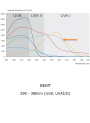
- Bis-Ethylhexyloxyphenol Methoxyphenyl Triazine: A highly stable chemical filter offering broad-spectrum protection against both UVA and UVB rays.
- Diethylamino Hydroxybenzoyl Hexyl Benzoate: A highly stable chemical filter primarily protecting against UVA rays. It can also help boost the SPF provided by UVB filters.
- Ethylhexyl Triazone: A highly effective chemical filter specifically targeting UVB protection.
- Titanium Dioxide (nano): A physical filter that provides broad-spectrum protection (UVA and UVB) and can contribute to a matte finish and coverage.
This combination of filters ensures robust protection across the UV spectrum.
Antioxidants and Skin Benefiting Ingredients
Several ingredients are included for their antioxidant properties and potential skin benefits:
- Tocopheryl Acetate and Tocopherol: Forms of Vitamin E, powerful antioxidants that help protect the skin and the formula from free radical damage and photoaging.
- Ferulic Acid: An antioxidant that works synergistically with Vitamin C and E to enhance photoprotection and fight free radicals.
- Ethyl Ascorbic acid: A stable, water-soluble derivative of Vitamin C known for its skin brightening effects by reducing melanin production and its antioxidant benefits.
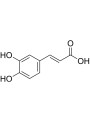
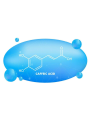
- Caffeic Acid: A potent antioxidant with anti-inflammatory and photoprotective properties, potentially helping to reduce redness and protect against UV-induced damage.
- Phytosphingosine HCL: A skin-identical ingredient that helps restore the skin barrier, offers antimicrobial properties (useful against acne-causing bacteria and dandruff fungus), and reduces irritation.
- Polypodium Leucotomos Leaf Extract, Physalis Angulata Extract, Camelia Sinensis Extract, and Arabidopsis Thaliana Extract: These are plant extracts that likely contribute antioxidant, anti-inflammatory, or soothing benefits to the formulation.
- Arginine: An amino acid that can function as a pH adjuster and may have other skin conditioning properties.
- Panthenyl Triacetate: A derivative of Vitamin B5, known for its moisturizing and soothing effects.
- Ethyl Linoleate: A form of Vitamin F, important for maintaining the skin barrier, balancing moisture, and reducing excess oil.
Texture Enhancers, Emollients, and Solvents
These ingredients contribute to the product's feel, spreadability, and stability:
- C12-15 alkyl benzoate: An emollient that provides a light, non-greasy feel and helps dissolve UV filters.
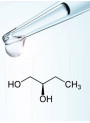
- Hexylene Glycol and Butylene Glycol: Solvents and humectants that help dissolve ingredients and attract moisture to the skin.
- Caprylyl Methicone and Simethicone: Silicones that provide a smooth, silky feel, reduce tackiness, and can help with pigment dispersion and potentially SPF boosting.
- Myristyl Alcohol, C14-22 Alcohols, C12-20 Alkyl Glucoside, Myristyl Glucoside, Caprylic/capric triglyceride, Oleyl Alcohol, PPG-15 Stearyl Ether Benzoate, and Dipropylene glycol Dibenzoate: These are various emollients, fatty alcohols, and esters that soften and smooth the skin, improve texture, and help stabilize the emulsion.
- Nylon-12 and Silica: Powders that can provide a matte finish, absorb excess oil, and improve the texture and spreadability of the product.
Emulsifiers, Thickeners, and Stabilizers
These components ensure the product remains a stable, well-mixed emulsion with the desired consistency:
- Ceteareth-25 and Lecithin: Emulsifiers that help blend the oil and water phases.
- Xanthan Gum: A natural thickener that increases viscosity and stabilizes the emulsion.
- Disodium EDTA: A chelating agent that binds metal ions, preventing them from affecting the formula's stability and appearance.
- Alumina: Can function as a texturizer, opacifier, or absorbent in cosmetic formulations.
- Disodium Ethylene Dicocamide PEG-15 Disulfate: Likely a surfactant or emulsifier.
- Hydrolyzed Wheat Protein/PVP Crosspolymer: A film-forming agent that can provide hold or conditioning benefits.
Preservatives
- Phenoxyethanol and Ethylhexylglycerin: Gentle preservatives used to prevent microbial contamination and extend shelf life. Ethylhexylglycerin also has humectant properties.
- Sodium Benzoate: A preservative effective in acidic formulations (pH < 5.5). Note that Sodium Benzoate is generally not compatible with Vitamin C, which is present in this formula as Ethyl Ascorbic Acid. This suggests careful formulation to manage pH or ingredient interactions.
Fragrance
- Parfum, Linalool, and limonene: These are fragrance components added to give the product a scent. Linalool and limonene are common fragrance allergens.
Overall, this is a complex sunscreen formulation designed to offer high UV protection along with antioxidant, skin-barrier support, and texture-enhancing benefits. The inclusion of multiple modern UV filters, various antioxidants, and skin-conditioning agents indicates a focus on both protection and skin health.
Updated Review: May 2026
This section was added after reviewing the original answer against current product availability and formulation knowledge at the stated point in time.
Update as of 2026-05-31
The earlier ingredient analysis is still broadly valid, but please add these current formulation notes:
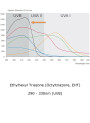
- Diethylhexyl Butamido Triazone (HEB) was present in the ingredient list but not separated in the original UV-filter section. It should be counted as another photostable, oil-soluble, high-efficiency UVB/SPF filter, normally used with UVA filters such as DHHB and broad-spectrum filters such as BEMT.
- DHHB (Diethylamino Hydroxybenzoyl Hexyl Benzoate) should be viewed primarily as a UVA filter. It may help boost measured SPF when combined with UVB filters, but it is not a standalone UVB sunscreen.
- The formula is technically challenging because it combines pH-sensitive water-soluble filters and preservatives/actives: Ensulizole needs suitable neutralization/pH to stay dissolved; Bisdisulizole Disodium (DPDT) also needs proper neutralization and electrolyte-tolerant thickening; and Global Guard / sodium benzoate–potassium sorbate type preservation works best below about pH 5.5 and is currently warned against use with formulas containing vitamin C types such as Ethyl Ascorbic Acid.
- For anyone reformulating a similar sunscreen today, MySkinRecipes now also lists newer options such as SynMax™ water-dispersion sunscreen encapsulation and Diethylhexyl Butamido Triazone (HEB). These can help build high-SPF, broad-spectrum systems, but the final product still requires actual SPF/UVA testing and preservative challenge testing before sale.
Related Products Mentioned
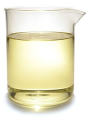
Vitamin E (Tocopheryl Acetate)
Pure-Ferulic Acid™
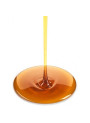
Vitamin E (dl-alpha tocopherol)
Glycerin (USP/Food Grade)
Phenoxyethanol (Extra Pure)
Fractionated Coconut Oil
Disodium EDTA
Butylene Glycol

Dipropylene glycol
MatteSilica 5™ (5 Micron)
Ethylhexylglycerin

Global Guard™ K712
Ceteareth-25
Caprylyl Methicone

LipidSoft™ F (Ethyl Linoleate)
Alumina (5micron, Spherical)
Linalool (FEMA-2635)
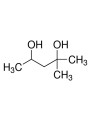
Hexylene Glycol

Phytosphingosine (90% Purity)
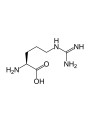
L-Arginine
White Tea Extract
Titanium Dioxide Nanosil
SI01-2-TIO2 CR50