Ingredient Compatibility and Formulation for Moisturizer Cream
Question
I am developing a moisturizer cream formulation and would like to know about the compatibility of the following ingredients when used together, and any specific formulation considerations:
- Ceramide Complex (Water/Oil Dispersible Powder)
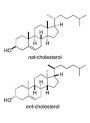
- Cholesterol (95%, NF, Fine Powder)
- Ceramide 3 (Ceramide NP)
- Squalane (Olive)
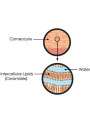
- Cerasoft™ (Synthetic Ceramide)
- Double Hyaluron Liquid (Hyaluronic Acid)
- Glycosaminoglycans (Pure Powder)
- Ectoine (Ectoin, from Bio-fermentation)
- Pro-Cysteine
- Micro Silver Porous™
Are these ingredients compatible, and what are the key points to consider during formulation, especially regarding their potential interactions or redundancy?
Answer
Ingredient Compatibility for Moisturizer Cream
Based on the ingredients you've listed for your moisturizer cream formulation, here is an assessment of their compatibility and potential redundancy:
The ingredients you listed are generally compatible for use in a single cosmetic formulation aimed at moisturizing and supporting the skin barrier.
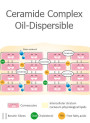
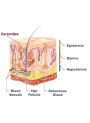
- Barrier Repairing Lipids: Ceramide Complex (Water/Oil Dispersible Powder), Cholesterol (95%, NF, Fine Powder), Ceramide 3 (Ceramide NP), Squalane (Olive), and Cerasoft™ (Synthetic Ceramide) are all ingredients that mimic the natural lipids found in the skin barrier. They work together to help restore and strengthen the skin's protective function, reduce water loss, and improve skin hydration and smoothness. Using a combination of these is a common strategy in formulations designed for dry, damaged, or aging skin.
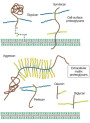
- Hydrators and Protectants: Double Hyaluron Liquid (Hyaluronic Acid), Glycosaminoglycans (Pure Powder), and Ectoine (Ectoin, from Bio-fermentation) are excellent humectants and protective agents. Hyaluronic Acid and Glycosaminoglycans attract and hold moisture in the skin, while Ectoine protects skin cells from environmental stress and provides hydration and anti-irritant benefits. These ingredients are generally compatible with each other and with the barrier lipids.
- Pro-Cysteine: Pro-Cysteine is an antioxidant. The product description notes that it is highly acidic and requires pH adjustment with an alkali (like Sodium Hydroxide or Triethanolamine) when formulating. This is a crucial step to ensure the stability and efficacy of the final product and the compatibility with other ingredients that might be sensitive to low pH.
- Micro Silver Porous™: Without a specific product description for Micro Silver Porous™, it is difficult to confirm its exact compatibility with all other ingredients. Micro silver is typically used for its antimicrobial properties. Some antimicrobial agents can interact with other formulation components, potentially affecting stability or efficacy.
Potential Redundancy
As the staff reply mentioned, some of these ingredients have overlapping functions, particularly in terms of moisturizing and barrier support.
- You have multiple ceramides (Ceramide Complex, Ceramide NP, Cerasoft™) and Cholesterol, all serving to reinforce the skin barrier.
- Squalane also acts as an emollient, providing moisture and improving texture.
- Hyaluronic Acid, Glycosaminoglycans, and Ectoine all contribute significantly to skin hydration.
Using all these ingredients in one formula is possible, but it's important to consider the concentration of each. High concentrations of multiple ingredients with similar functions could lead to a formulation that feels heavy, greasy, or potentially tacky on the skin. Using lower concentrations of each, as suggested by the staff, can help achieve a balanced formulation that provides comprehensive benefits without undesirable textures.
Conclusion
The combination of these ingredients is generally feasible for a moisturizer cream, focusing on barrier repair and hydration. The primary considerations are:
- Careful formulation to achieve the desired texture, given the potential for redundancy among moisturizing and barrier-supporting ingredients.
- Proper pH adjustment after adding Pro-Cysteine.
- Confirming the specific compatibility of Micro Silver Porous™ with the other ingredients, especially regarding potential interactions with metal ions if applicable.
Formulating with a diverse set of actives requires attention to detail regarding each ingredient's optimal usage rate, solubility, stability, and potential interactions within the final product matrix.
Related Products Mentioned

Squalane (Olive)
Double Hyaluron Liquid
Cholesterol (95%, NF, Fine Powder)
Cerasoft™ (Synthetic Ceramide)
Ectoine (Ectoin, from Bio-fermentation)

Pro-Cysteine