Ingredient Compatibility and Formulation for Serum/Cream
Question
I have a formula using the following ingredients:
- Activated Resorcinol
- Natural Bisabolol
- Madecassoside-80
- Bakuchiol
- Dimethyl Isosorbide
- Salmon Roe
- 4 Msk
- Ume Extract
- Yeast Resurface
- Ceraminde Complex
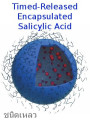
- Encapsulated Salicylic Acid (Liquid, Timed-Release)
- Protec UV
- Silicone Gel
- Silky Serum Base Plus
My questions are:
- Are all these ingredients compatible? Are there any ingredients that cannot be used together in this formula?
- What will the texture of the cream be like? Will it be sticky?
- Could you please recommend and adjust this formula to make it perfect?
- Lastly, will long-term use of Encapsulated Salicylic Acid (Liquid, Timed-Release) make the skin thinner or more sensitive to light?
Answer
Ingredient Compatibility and Formulation Analysis
Based on the ingredients provided and their properties:
- Activated Resorcinol, Natural Bisabolol, Pure-Bakuchiol™, Protec™ UV, and Silicone Gel are generally compatible with oil or silicone phases.
- Madecassoside, Salmon Roe Extract, 4MSK, Yeast Radiance™, Ceramide Complex (Water/Oil Dispersible Powder), Ceracare™ Liposome-3, and Encapsulated Salicylic Acid (Liquid, Timed-Release, Wash-Off) are generally compatible with water phases or can be dispersed in water.
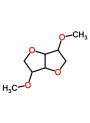
- Dimethyl Isosorbide is a versatile carrier that can help incorporate both water and oil-soluble ingredients and enhance penetration.
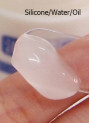
- Silky Serum Base Plus is designed to coordinate both oil/silicone and water phases to form a serum texture.
Potential Compatibility Issues and Important Considerations:
- Encapsulated Salicylic Acid (Wash-Off Type): The description for the Encapsulated Salicylic Acid (Product ID 229) explicitly states it is for wash-off products (like cleansers). If you intend to create a leave-on serum or cream, you must use a different type of Salicylic Acid suitable for leave-on applications, such as Encapsulated Salicylic Acid (Liquid, Timed-Release, Leave-On), SalicSoft™, Complex Salicylic Acid, or Acacia Salicylic Acid. Using the wash-off type in a leave-on product may not be effective and could potentially cause irritation or instability.
- pH Levels: Several active ingredients have optimal or required pH ranges for stability and efficacy: Activated Resorcinol (4.5-5.5), Madecassoside (4-6.5), Pure-Bakuchiol™ (<6.5, ideally 3.5-6.5), and Yeast Radiance™ (4.0-6.5). Encapsulated Salicylic Acid also works best at a pH close to 5.0 during its release. The final formulation's pH should be carefully adjusted to a range that accommodates these ingredients, ideally between 4.5 and 6.5.
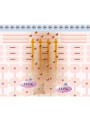
- Temperature Sensitivity: Salmon Roe Extract should not be exposed to heat above 40°C. Yeast Radiance™ and Madecassoside should also avoid heat. 4MSK should avoid heat above 60°C. Activated Resorcinol and Pure-Bakuchiol™ should avoid excessive heat (Bakuchiol above 75°C). Ingredients sensitive to heat should be added in the final, cool-down phase of the formulation process.
- Light Sensitivity: Activated Resorcinol and Pure-Bakuchiol™ are light-sensitive. If the final product is packaged in a clear container, including Protec™ UV is necessary to help protect these ingredients from degradation by UV light.
- Metal Ions: Pure-Bakuchiol™ can be affected by metal ions. Including a chelating agent like Disodium EDTA (which you listed) is important for stability, as also recommended for Activated Resorcinol.
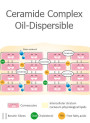
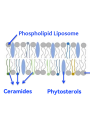
- Ceramide Complex Dispersion: If using the Ceramide Complex (Water/Oil Dispersible Powder), it requires heating (70-80°C) and proper dispersion in oil or glycol before being incorporated into the main formula. If using Ceracare™ Liposome-3, it can be dispersed directly in water. Choose the ceramide type that best suits your formulation process and desired properties.
- Silky Serum Base Plus Mixing: Follow the specific instructions for using Silky Serum Base Plus, particularly mixing the oil/silicone phase with the base first and then gradually adding the water phase while stirring or blending to achieve a stable serum texture. Adding Magnesium Sulfate (1-2%) is recommended for stability.
- Ume Extract and Yeast Resurface: A specific product named "Ume Extract" was not found in the database search. Similarly, "Yeast Resurface" was not found, although "Yeast Radiance™" (ID 1199) is available and offers brightening benefits from yeast protein. You may need to find alternative sources for Ume Extract or clarify the intended function of "Yeast Resurface" to find a suitable replacement like Yeast Radiance™.
Likely Texture
Based on the inclusion of Silky Serum Base Plus, Silicone Gel, and Dimethyl Isosorbide, the resulting texture is likely to be a light, smooth, and silky serum or a very light cream. These ingredients contribute to a non-greasy feel, easy spreadability, and quick absorption. The Silicone Gel can also provide a soft-focus or mattifying effect. The final viscosity will depend on the proportions of the base, water, and oil/silicone phases used, as well as the chosen ceramide product.
Suggestions for Improvement
- Select the Correct Salicylic Acid: As mentioned, if this is a leave-on product, replace the Encapsulated Salicylic Acid (Liquid, Timed-Release, Wash-Off) with a version designed for leave-on use.
- Choose a Ceramide Type: Decide between Ceramide Complex (Water/Oil Dispersible Powder) and Ceracare™ Liposome-3 based on your formulation method and preference. Ceracare™ Liposome-3 might be easier to incorporate into a water-based serum.
- Ensure Stability: Include Disodium EDTA at an appropriate concentration (e.g., 0.1-0.2%) to chelate metal ions and improve the stability of Activated Resorcinol and Bakuchiol.
- Protect from Light: If using a clear bottle, add Protec™ UV (0.01-0.1%) to protect light-sensitive ingredients.
- Control pH: Carefully adjust the final pH of the formula to the optimal range (4.5-6.5) after all ingredients have been added, especially after incorporating ingredients that can affect pH.
- Follow Mixing Instructions: Pay close attention to the specific mixing requirements and temperature limitations for each ingredient, particularly the heat-sensitive extracts and the Silky Serum Base Plus.
- Consider Alternatives: If "Yeast Resurface" is intended for exfoliation, Yeast Radiance™ may not provide that specific benefit; you might need to explore other exfoliating ingredients compatible with the formula. If Ume Extract is essential, you will need to source it separately.
Long-Term Use of Encapsulated Salicylic Acid
You asked if long-term use of Encapsulated Salicylic Acid will make the skin thinner or more sensitive to light.
- Skin Thinning: Using exfoliants like Salicylic Acid can increase skin cell turnover, which helps shed dead skin cells and can improve skin texture. This process does not typically cause pathological thinning of the living layers of the skin. Encapsulated Salicylic Acid is designed for a gentler, timed release, reducing the likelihood of irritation compared to traditional Salicylic Acid. When used at recommended concentrations in a well-formulated product, long-term use should not cause your skin to become thinner in a harmful way. However, overuse of any exfoliant can compromise the skin barrier, leading to temporary sensitivity, dryness, or irritation.
- Photosensitivity: Exfoliating the skin can make it more susceptible to sun damage because the protective layer of dead skin cells is reduced. While Salicylic Acid is generally considered less photosensitizing than AHAs, it is still crucial to use adequate sun protection daily when using products containing Salicylic Acid, regardless of the type (encapsulated or not) or duration of use. This will help prevent sun damage and protect the newly revealed skin cells.
In summary, while the ingredients you've chosen offer a range of beneficial properties, careful attention to compatibility, mixing procedures, pH, and ingredient types (especially the Salicylic Acid) is essential for creating a stable, effective, and pleasant formulation.
Related Products Mentioned

Natural Bisabolol (Brazil Chamomile)
Disodium EDTA
Silicone Gel (Ultra Clear, Super Silky)
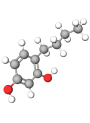
Silky Serum Base Plus (Face/Eye, Oil)


Yeast Radiance™
4MSK (Potassium Methoxysalicylate)
Dimethyl Isosorbide (DMI)