Ingredient Compatibility and pH Challenges in Formulation
Question
Can the provided cosmetic formulation containing Alpha Arbutin, Glycolic Acid, Niacinamide, Acetyl Glucosamine, gel maker, solubilizers, and preservatives be mixed, and what are the key considerations regarding ingredient compatibility, stability, and pH?
Answer
Formulation Compatibility Analysis
Based on the provided list of ingredients and their percentages, mixing this formulation is possible, but careful attention must be paid to the compatibility of the ingredients, particularly regarding pH levels.
Here are the key considerations:
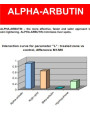
pH Sensitivity: Several ingredients in this formula have specific pH requirements for stability and efficacy. Alpha Arbutin is most stable between pH 3.5 and 6.5 and should not be mixed in formulations with a pH higher than 8. Ampho-Glycolic, which contains Glycolic Acid, has a low pH (1.5-2.5). The preservatives, Mild Preserved Eco and Chlorphenesin/Phenoxyethanol, also have optimal pH ranges (4-9 and 4-7, respectively). The low pH introduced by Ampho-Glycolic could potentially destabilize Alpha Arbutin and reduce the effectiveness of the preservatives. It is crucial to adjust the final pH of the formulation to a range that accommodates the stability requirements of all active ingredients and ensures proper preservation, ideally between pH 4.0 and 6.5.
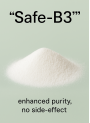
Ingredient Interactions: The combination of Safe-B3 (Niacinamide) and GlucoBright (Acetyl Glucosamine) is known to work synergistically for skin brightening. However, Niacinamide can convert to Niacin (Nicotinic Acid) at low pH levels, which can cause skin flushing. The presence of Ampho-Glycolic at a low pH increases this risk. Careful pH control is necessary to minimize the formation of Niacin.
Gel Formation and Solubilization: Pro Polymer is included as a gel maker. Its performance can be affected by electrolytes, such as those present in ActiveProtec OX. While Pro Polymer has some electrolyte resistance, higher concentrations might be needed if the electrolyte level is significant. Flora Solve Clear and PEG-40 Hydrogenated Castor Oil are included as solubilizers, which will help incorporate ingredients that are not fully water-soluble into the water base.
Preservation System: The formulation includes Mild Preserved Eco and Chlorphenesin/Phenoxyethanol, along with Phenoxyethanol from Double Hyaluron Liquid. The total concentration and compatibility of these preservatives with the final pH are important for ensuring the microbial stability of the product.
Conclusion:
While the ingredients can be physically mixed, achieving a stable and effective formulation requires careful pH adjustment to ensure compatibility between the acidic components (Ampho-Glycolic) and the pH-sensitive ingredients (Alpha Arbutin, preservatives, and Safe-B3). It is highly recommended to perform stability testing and pH monitoring during the formulation process to confirm that the final product is safe, stable, and performs as intended.
Related Products Mentioned
Alpha Arbutin (Switzerland)
Safe-B3™ (Vitamin B3, Niacinamide)
GlucoBright™ (Acetyl Glucosamine)
Pro Polymer™ (Gel Maker)
Double Hyaluron Liquid

Purified Water, TDS Limit 1PPM)
Mild Preserved Eco™ (Preservative-Free)