Ingredient Compatibility and Stability at Low pH (NAG, Niacinamide, Salicylic Acid, Tea Tree Oil)
Question
I am developing a cosmetic formula and have some questions about combining various active ingredients:
- What is the recommended maximum concentration for N-Acetyl Glucosamine (NAG)?
- What are the compatibility issues when combining NAG and Niacinamide with Salicylic Acid in a formula with a low pH, specifically around pH 3.5?
- What are the compatibility issues when combining Tea Tree Oil with Salicylic Acid in a formula with a low pH, specifically around pH 3.5?
- How effective is AHA (Alpha Hydroxy Acid) for exfoliation when the formula pH is in the range of 4-5?
- Could you provide information or research findings regarding the benefits and properties of Betaine and L-Carnitine in skincare formulations?
Answer
Formulation Compatibility and Ingredient Information
Here is a summary regarding the compatibility and properties of the ingredients you asked about:
1. NAG Concentration
The recommended concentration of N-Acetyl Glucosamine (NAG) on the website is up to 4% because the manufacturer's data indicates it can be used effectively within a range of 1-4%. While a P&G study used 2% NAG with 4% Niacinamide and found it effective, recommending up to 4% on the website is based on the potential for higher efficacy at the maximum suggested usage rate. Since NAG is also relatively inexpensive, using it at a higher concentration like 4% can offer potentially better results without significantly increasing cost, compared to more expensive ingredients where optimizing for the lowest effective concentration is more critical.
2. Compatibility of NAG + Niacinamide with Salicylic Acid (Low pH)
- Niacinamide: Niacinamide is most stable in a pH range of 4.0-7.0, although it can tolerate 3.0-7.5. If the pH of the formula is too low (e.g., around 3.5 as you considered for Salicylic Acid), it can cause Niacinamide to hydrolyze into Niacin (Nicotinic Acid), which can cause skin flushing and reduce the intended benefits of Niacinamide.
- NAG (N-Acetyl Glucosamine): NAG is stable in a pH range of 5.5-8. It cannot tolerate highly acidic conditions. Based on information available, the pH should ideally not be lower than 6 for NAG stability. Therefore, combining NAG with Salicylic Acid at a low pH like 3.5 would likely cause NAG to degrade or lose effectiveness.
In summary, a formula at pH 3.5 would be problematic for both Niacinamide and especially NAG stability.
3. Compatibility of Tea Tree Oil with Salicylic Acid (Low pH)
Combining Tea Tree Oil with Salicylic Acid, particularly in a water-based formula, primarily raises a solubility concern for the Tea Tree Oil itself unless a water-soluble version is used or a suitable solubilizer is included. While the typical pH range for water-soluble Tea Tree Oil is around 4.0-6.5, its stability at a very low pH like 3.5 is not explicitly stated. However, the main challenge in such a combination at low pH would be the stability of other ingredients like NAG and Niacinamide, as discussed above.
4. AHA Effectiveness at pH 4-5
AHA (Alpha Hydroxy Acid) effectiveness for exfoliation is highly dependent on pH. At pH 4-5, the exfoliating efficacy of AHAs is significantly reduced compared to lower pH levels (typically below 4). If maintaining a low pH is not feasible for your formula due to other ingredients, you might consider alternative exfoliating agents that are effective at a higher pH.
5. Betaine and L-Carnitine Research
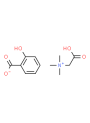
- Betaine: Betaine, often extracted from sugar beets, is known for its moisturizing and anti-irritant properties. It helps maintain skin hydration, strengthens the skin barrier, and can reduce irritation caused by other ingredients like Salicylic Acid. It also functions as a humectant and can improve the feel of formulations. Betaine Salicylate is a specific compound where Betaine is combined with Salicylic Acid to provide exfoliation with reduced irritation and improved water solubility at a specific pH range (3.8-4.2).
- L-Carnitine: L-Carnitine is a naturally occurring amino acid. Research indicates it can accelerate skin cell turnover at a neutral pH (pH 6-7), offering a gentler alternative for exfoliation compared to traditional AHAs/BHAs which require low pH. It is also shown to help reduce oil production (sebum) on the face and has properties that can aid in wound healing and potentially reduce cellulite. Information supporting its use can be found in scientific literature and patents.
When formulating, it is important to consider the optimal pH range for each active ingredient to ensure both efficacy and stability. Combining ingredients with vastly different optimal pH ranges can be challenging and may require careful formulation or separate products.
Related Products Mentioned
Safe-B3™ (Vitamin B3, Niacinamide)
GlucoBright™ (Acetyl Glucosamine)
Salicylic Acid (BHA, Pharma Grade)
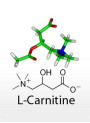
L-Carnitine (Carnitine)
Natural Betaine (Crystal)

Tea Tree Oil (Water Soluble)