Ingredient Compatibility and Stability for AHA/BHA/PHA Cream Mask and Vitamin C Gel Mask Formulations
Question
I have two mask formulations and would like to know about ingredient compatibility, mixing procedures, and stability.
1. AHA/BHA/PHA Cream Mask (Wash-off type)
Formula:
- Water 69.8%
- EDTA 0.2%
- Mild Preserved Eco 1%
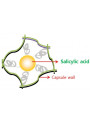
- Complex Salicylic Acid (Powder,Water-Soluble) 5%
- VersaMoist (สารนำพา) 2%
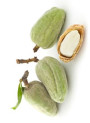
- Mandelic Acid 10%
- Lactobionic Acid 5%
- GABA Natural 3%
- Calcium Pantothenate 3%
- Satin Cream Maker 1%
Mixing Procedure: Combine 1+2+3, add 4,5,6,7,8,9, then add 10 and stir until a cream texture is formed.
Questions:
- Are the ingredients in this formula compatible?
- Is the mixing order correct?
- Is Satin Cream Maker suitable as the cream maker?
- Is it necessary to include a penetration enhancer in this formula? Is VersaMoist suitable, or are there other recommendations?
2. Vitamin C Mask (Wash-off type)
Formula:
- Aloe Vera Gel (Heavy) 79.8%
- EDTA 0.2%
- Vitamin C (L-ascorbic acid, Ultra-Fine) 15%
- Fruit Peel 3%
- Active Protect UV 1% (to prevent Vitamin C degradation)
- Vitamin E (dl-alpha tocopherol) 1%
Mixing Procedure: Add active ingredients one by one into the gel base.
Questions:
- Are the ingredients in this formula compatible?
- Is EDTA necessary, or can it be omitted?
- Can this formula be stored in the refrigerator?
Thank you.
Answer
Formulation 1: AHA Cream Mask
Ingredient Compatibility and pH Considerations
This formula contains a high concentration of acidic ingredients: Complex Salicylic Acid (5%), Mandelic Acid (10%), and Lactobionic Acid (5%). The total concentration of these exfoliating acids is 20%. This high concentration will result in a very low pH for the final product.
- FDA Regulations: For cosmetic products applied to the skin for consumers, the FDA generally requires the pH to be no lower than 3.5 when using AHAs up to 10%. Your formula exceeds the 10% AHA limit (Mandelic Acid is an AHA, Lactobionic Acid is a PHA, and Salicylic Acid is a BHA, but the combined effect and low pH are the concern) and will likely have a pH significantly below 3.5. This formulation, at these concentrations, may be too strong for general consumer use and could cause significant irritation or adverse reactions unless used under professional supervision.
- Ingredient Stability/Efficacy:
- Mild Preserved Eco is stated to work in a pH range of 4-9. A very low pH (below 4) might reduce its effectiveness as a preservative.
- GABA Natural has a pH range of 6.5-7.5. Its stability and efficacy might be compromised in a highly acidic environment.
- Calcium Pantothenate has a pH of 6.8-8.0 (at 5% in water). Similar to GABA, its stability could be affected by the low pH.
- Satin Cream Maker is stable in a pH range of 3-12, so it should function correctly as an emulsifier/thickener at low pH.
- VersaMoist is soluble in water and oil, and its compatibility with low pH is not explicitly stated but is generally expected to be stable.
Mixing Order
The proposed mixing order is mostly logical, starting with the water phase and dissolving water-soluble ingredients before adding the thickener/emulsifier. However, the recommended mixing method for Mild Preserved Eco is to add it in the final step when the formula has a gel or cream texture.
A slightly adjusted mixing order could be:
- Combine Water and Disodium EDTA, stir until dissolved.
- Add and dissolve the powder ingredients one by one: Complex Salicylic Acid, Mandelic Acid, Lactobionic Acid, GABA Natural, and Calcium Pantothenate. Ensure each is fully dissolved before adding the next.
- Add VersaMoist and stir until homogeneous.
- Add Mild Preserved Eco and stir.
- Add Satin Cream Maker and mix until the cream texture is formed. Avoid high-speed mixing (>2500 rpm) with Satin Cream Maker.
Emulsifier Suitability
Satin Cream Maker is suitable for creating a cream texture in this predominantly water-based formula. It is a heat-free emulsifier/thickener that works well within a wide pH range (3-12), which is necessary given the acidic nature of this formula. The usage rate of 1% is within the recommended range.
Penetration Enhancer (VersaMoist)
VersaMoist is described as a penetration enhancer. Including it in a formula with high concentrations of exfoliating acids will likely increase the skin's absorption of these acids. This could enhance their effectiveness but also significantly increase the potential for skin irritation, redness, and sensitivity, especially given the already high total acid concentration. Whether it is "necessary" depends on the desired intensity of the mask's effect and the user's tolerance. VersaMoist itself is compatible with water-based formulas.
Formulation 2: Vitamin C Mask
Ingredient Compatibility
The main compatibility concern in this formula is the high concentration of Vitamin C (L-ascorbic acid, Ultra-Fine) (15%) mixed into the Aloe Vera Gel (Heavy) base.
- Vitamin C Stability: L-ascorbic acid is highly effective but very unstable in water, especially at neutral or higher pH levels. It requires a low pH (ideally 2.0-4.0, with FDA requiring > 3.5 for consumer products) to remain stable and effective. The Aloe Vera Gel base contains a preservative (Phenoxyethanol) and other ingredients that likely result in a pH higher than the optimal range for L-ascorbic acid stability. Mixing 15% L-ascorbic acid into this base without significantly lowering the pH will cause the Vitamin C to oxidize and degrade rapidly, losing its effectiveness and potentially changing color.
- Vitamin E: Vitamin E (dl-alpha tocopherol) is oil-soluble. The Aloe Vera Gel base is described as oil-free. Without an emulsifier, the Vitamin E may not fully incorporate into the gel base and could separate.
- Fruit Peel: Fruit Peel has a recommended pH range of 3.5-7.0. It should be compatible with the likely pH of the Aloe Vera Gel base.
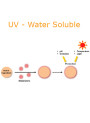
- Active Protect UV: This ingredient is water-soluble and should be compatible with the base.
Necessity of EDTA
Disodium EDTA is a chelating agent that helps improve the stability of formulations by binding to metal ions that can cause oxidation and degradation of sensitive ingredients, such as L-ascorbic acid. While not strictly mandatory in all formulas, it is highly recommended when using L-ascorbic acid to help protect it from degradation, especially if the water source is not highly purified. Removing it would likely reduce the stability and shelf life of the Vitamin C in the formula.
Refrigeration
Yes, storing this formula in the refrigerator is highly recommended. L-ascorbic acid, Fruit Peel, and Vitamin E (dl-alpha tocopherol) are all ingredients that benefit from cold storage to maintain their stability and potency over time. Refrigeration will significantly slow down the degradation rate of Vitamin C in this water-based formula.
Mixing Order
The proposed mixing order of adding active ingredients one by one into the gel base is simple. However, to address the critical pH issue for Vitamin C stability, a more complex mixing method involving dissolving the L-ascorbic acid in a small amount of water at a low pH before incorporating it into the main base would be necessary, along with adjusting the final pH of the entire formula. This would require careful pH measurement and adjustment steps.
Related Products Mentioned
Vitamin C (L-ascorbic acid) (Ultra-Fine)
Vitamin E (dl-alpha tocopherol)
Disodium EDTA

Aloe Vera Gel (Heavy)

Satin Cream Maker™
Mandelic Acid
Mild Preserved Eco™ (Preservative-Free)

FruitPeel™ exfoliates cells with fruit
Calcium Pantothenate

Lactobionic Acid
ActiveProtec™ UV