Ingredient Compatibility and Texture for Lightweight Gel
Question
How to formulate a lightweight facial gel using several liquid active ingredients (Aloe Vera, Bifida Ferment Lysate, Copper Peptide, Dragon Blood, Lemon Peel Bioferment, Plankton, Japanese Cedar Extract, DMI) while ensuring compatibility and achieving the desired gel texture?
Answer
Ingredient Compatibility and Gel Consistency
Based on the ingredients you've selected for your lightweight facial gel, here is an assessment of their compatibility and potential impact on your formulation:
You have chosen several beneficial liquid ingredients for your formula:
- Aloe Vera Gel (Heavy)
- Repair Activator™ Liquid (Bifida Ferment Lysate)
- Copper Peptide (GHK-Cu) (1000ppm Solution)
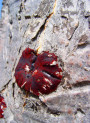
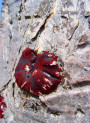
- Dragon Blood Extract
- Lemon Peel Bioferment (Lemon Skin™)
- Plankton Artemia Extract
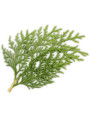
- Japanese Cedar (Cryptomeria Japonica Bud Extract)
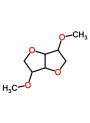
- Dimethyl Isosorbide (DMI)
Most of these ingredients are water-soluble liquids, which is a good starting point for a water-based gel.
Compatibility:
Based on the product information, these ingredients appear to be generally compatible. Key considerations for mixing are:
- pH Level: Several ingredients, including Copper Peptide, Repair Activator™ Liquid, Lemon Peel Bioferment, and Plankton Artemia Extract, have specific pH requirements for stability and effectiveness, generally ranging from pH 3.5 to 7. Copper Peptide is most stable between pH 4.5-7.4. Aiming for a final formula pH in the range of pH 4.5-6.5 should help maintain the stability of most of these active ingredients.
- Temperature: Copper Peptide, Lemon Peel Bioferment, Repair Activator™ Liquid, and Plankton Artemia Extract should be added in the cool-down phase, typically below 40°C, to preserve their efficacy. DMI can withstand higher temperatures.
- Specific Interactions: The Copper Peptide description advises against using Disodium EDTA in the formula, as it can reduce the peptide's effectiveness. Check your other ingredients (especially the Aloe Vera Gel base) to ensure they do not contain Disodium EDTA. The description for Aloe Vera Gel (Heavy) does not list Disodium EDTA.
Consistency (Lightweight Gel):
You are using Aloe Vera Gel (Heavy) as a base, which already contains a gelling agent. However, adding a significant percentage of multiple other liquid ingredients will dilute the gelling agent present in the Aloe Vera base. This will likely reduce the viscosity of the final product.
If you add all the listed ingredients at typical usage rates, the final consistency might be thinner than a traditional gel, potentially becoming more like a thick serum or essence.
Which ingredients to adjust or remove?
Based purely on compatibility, you likely don't need to remove any of these ingredients if you manage the pH and mixing temperature correctly.
However, if achieving a distinct gel texture is crucial, you might need to:
- Limit the total percentage of the added liquid active ingredients.
- Consider adding a separate thickener or gelling agent to the formula to help maintain your desired gel consistency, rather than relying solely on the gelling properties of the Aloe Vera Gel base.
Adding ingredients like Repair Activator™ Liquid and Plankton Artemia Extract at higher percentages can also contribute to a sticky or gooey feeling, which might not be desirable in a lightweight formula. Using them at recommended or lower effective percentages (e.g., 2-5% for Repair Activator™ Liquid, 2% for Plankton Artemia Extract) can help manage this.
In summary, the ingredients are compatible, but achieving a lightweight gel consistency will depend on the total percentage of all liquid components in your final formula. You may need to adjust percentages or add an additional gelling agent if the initial mix is too liquid.
Related Products Mentioned
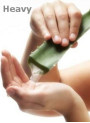
Aloe Vera Gel (Heavy)
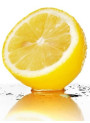
Lemon Peel Bioferment (Lemon Skin™)

Plankton Artemia Extract
Dimethyl Isosorbide (DMI)
Dragon Blood Extract (Spain)