Ingredient Compatibility for DIY All-in-One Lotion
Question
I need help checking the compatibility of ingredients for a DIY all-in-one lotion. The lotion is intended to help with skin tightening, cellulite reduction, moisturizing, skin brightening, reducing skin yellowness, and treating clogged pores on the back.
Here is the proposed formulation and procedure:
Part A (Hot Process 50°C)
- Water: 10%
- Sodium Lactate Plus: 5%
Part B (Hot Process 50°C)
- Lipoluxe: 1% (Emulsifier)
- Horse Oil: 15%
- Lipid Soft Lite: 1.5%
- Pure Baicalin: 0.5%
Part C
- Water: Remaining %
- Methylsilanol: 5%
- Palmaria: 4%
- Ume: 4%
- Hydroalgae: 1.5%
- Wrinkle: 2%
- Sym-White: 1%
- Allantoin: 1%
Part D
- Encapsulated Salicylic Acid: 3%
Part E
- Aquamax: 5% (Thickener)
Part F
- Preservative: 0.7%
Part G
- Fragrance: 2%
Please advise on the compatibility and potential issues with this formulation and procedure.
Answer
Formulation Compatibility Assessment
Here are the key points regarding the compatibility of your ingredients and proposed procedure:
Identified Ingredients and Potential Matches:
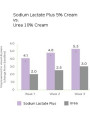
- Sodium Lactate Plus: Provides hydration. Compatible with heating up to 60°C.
- Lipoluxe (Likely Lipomulse Luxe): Emulsifier, creates liquid crystal emulsion for stability and texture. Works over a wide pH range (3-12) and can handle high temperatures.
- Horse Oil: Moisturizing oil. Can withstand heat up to 60°C for no more than 15 minutes.
- lipid soft lite (Likely LipidSoft™ Lite): Lightweight emollient.
- Pure Baicalin (Likely Pure-Baicalin™): Extract for stimulating fibroblasts, increasing firmness and elasticity. Avoid heat above 60°C. Dissolves in water at pH 6.5-7.2.
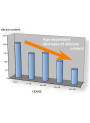
- Methylsilanol (Likely Methylsilanol Mannuronate): Helps with lifting and firming, anti-cellulite properties. Dissolves in water.
- Palmaria: No direct product match found in the search. You may need to identify the specific Palmaria extract you intend to use and check its properties.
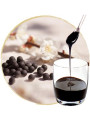
- Ume (Likely Ume Extract): Anti-glycation properties, helps reduce skin yellowing. Critical: Do not expose to heat exceeding 40°C. Must be added in the cool-down phase below 40°C. Works best at pH 4.0-6.5.
- Hyadroalgae (Likely HydroAlgae™): Provides long-lasting moisture. Critical: Avoid heat exceeding 40°C. Must be added in the water part below 40°C.
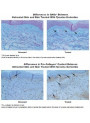
- Wrinkle (Likely Wrinkle-Fill™ or similar): Anti-wrinkle properties. Dissolves in water.
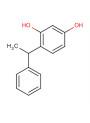
- Sym-White (Likely Phenylethyl Resorcinol): Skin brightening and antioxidant. Critical: Finished product should have a pH in the range of 4-5 for stability. Avoid amino acids, urea, proteins, Carbomer, Carbopol, PEG-400. Some fragrances may cause issues.
- Allantoin: Reduces irritation, promotes tissue repair. Dissolves in water (0.5% at 25°C, 4% at 75°C). At 1% usage, it exceeds room temperature solubility and requires heat or co-solvent for full dissolution. Best pH 4-8.
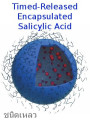
- Encapsulated Salicylic Acid (Likely Encapsulated Salicylic Acid (Liquid, Timed-Release, Wash-Off)): Exfoliating, helps with clogged pores. MAJOR CRITICAL ISSUE: The description for this product explicitly states it is for Wash-Off products only (like cleansers). This type is NOT suitable for a leave-on lotion. Using a wash-off type in a leave-on product may not be effective and could cause irritation. You must use a type of Salicylic Acid designed for leave-on products (e.g., Encapsulated Salicylic Acid (Liquid, Timed-Release, Leave-On) or powder types that are water-soluble or dispersible for leave-on).
- Aquamax (Potential match for thickener: Sepimax Zen): Thickener/emulsion stabilizer. Sepimax Zen is added to the water phase. Your procedure adds it in Part E, which is unusual for a primary thickener and might affect the emulsion stability or texture depending on the specific product.
- Preservative: Compatibility depends on the specific preservative and the final pH.
- Fragrance: Compatibility depends on the specific fragrance. Some can interact with actives like Sym-White.
Key Compatibility Concerns and Recommendations:
- Encapsulated Salicylic Acid Type: The most critical issue is using a "wash-off" type of Encapsulated Salicylic Acid in a leave-on lotion. You must replace this with a Salicylic Acid product specifically designed for leave-on applications.
- Temperature Sensitivity: Ume Extract and HydroAlgae™ are sensitive to heat above 40°C. Ensure your cool-down phase reaches below 40°C before adding Part C ingredients containing these extracts.
- Sym-White pH Requirement: Phenylethyl Resorcinol (Sym-White) requires the final product pH to be in the range of 4-5 for optimal stability. You will need to measure the pH of your final lotion and adjust it if necessary using an acid (like Citric Acid or Lactic Acid) or a base (like Triethanolamine), being mindful of compatibility with other ingredients.
- Allantoin Solubility: At 1% concentration, Allantoin's solubility in water at room temperature is limited. Consider adding it to the hot water phase (Part A) to ensure it fully dissolves, or use a co-solvent if adding in Part C.
- Thickener (Aquamax): The placement of Aquamax in Part E is unusual for a primary thickener. If it is Sepimax Zen, it should typically be added to the water phase and hydrated before emulsification. Review the specific instructions for your "Aquamax" product and adjust the procedure accordingly.
- Palmaria: Since no specific product was identified, ensure the Palmaria extract you use is water-soluble and compatible with the other ingredients and the required pH range.
- Horse Oil Heating: Be mindful of the 15-minute limit when heating Horse Oil at 60°C in Part B.
- Fragrance Compatibility: Test your chosen fragrance with the final formula, especially considering the presence of Sym-White, to check for discoloration or instability over time.
- Preservative Compatibility: Ensure your chosen preservative is effective and stable at the final pH of your lotion (ideally pH 4-5 for Sym-White).
Suggested Procedure Adjustment:
To address the temperature sensitivities and Allantoin solubility, consider adjusting your procedure as follows:
- Part A (Hot Process 50-60°C): Combine Water (total amount), Sodium Lactate Plus, and Allantoin. Heat to 50-60°C and stir until Allantoin is fully dissolved. If using Sepimax Zen or a similar water-phase thickener, add it here and hydrate according to instructions.
- Part B (Hot Process 50-60°C): Combine Lipoluxe, Horseoil, lipid soft lite, Pure Baicalin. Heat to 50-60°C (limit Horse Oil heating time at 60°C to under 15 minutes).
- Emulsification: Add Part B (oil phase) to Part A (water phase) with stirring/homogenizing at 50-60°C to form the emulsion.
- Cool Down: Cool the emulsion to below 40°C with continued stirring.
- Part C (Cool Down < 40°C): Add Methylsilanol, Ume Extract, HydroAlgae™, Wrinkle ingredient, Sym-White, and Palmaria (if using). Mix well.
- pH Adjustment: Measure the pH and adjust to 4-5 for Sym-White stability.
- Salicylic Acid: Add the correct leave-on type of Encapsulated Salicylic Acid.
- Aquamax: If Aquamax is a secondary thickener or texturizer added in cool-down, add it here according to its instructions.
- Preservative: Add the preservative.
- Fragrance: Add the fragrance.
By addressing these points, you can improve the stability and effectiveness of your all-in-one lotion formulation.
Related Products Mentioned

Allantoin
Wrinkle-Fill™ (Acetyl-Tyrosine)


Ume Extract (Anti-Glycation)
Sodium Lactate Plus
Methylsilanol Mannuronate

HydroAlgae™
Sepimax Zen