Ingredient Compatibility for Essence Formulation
Question
Please check if the following ingredients are compatible for mixing to create an essence ("น้ำตบ"): Distilled Water, PiteraEx™ (Saccharomyces Lysate Extract), Pal-GHK, Pal-GQPR (eq. Matrixyl 3000), Repair Activator™ Powder (Bifida Ferment Lysate), Copper Peptide (GHK-Cu) (1000ppm Solution), Glycerin 99.5%, 1,3-Propanediol (Natural), Ethoxydiglycol, Mild Preserved Eco™ (Preservative-Free). Thank you.
Answer
Based on the list of ingredients provided, they appear generally compatible for creating a water-based essence or toner ("น้ำตบ").
The list includes:
- Base/Solvents/Humectants: Distilled Water, Glycerin, 1,3-Propanediol, Ethoxydiglycol. These are common components in water-based skincare and help dissolve/disperse other ingredients while providing hydration.
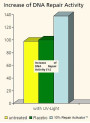
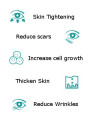
- Actives: PiteraEx™ (Saccharomyces Lysate Extract), Matrixyl 3000 (Pal-GHK, Pal-GQPR), Repair Activator™ Powder (Bifida Ferment Lysate), Copper Peptide (GHK-Cu). These are beneficial active ingredients targeting skin concerns.
- Preservative: Mild Preserved Eco™ (Ethylhexylglycerin, Caprylyl Glycol). This is a standard preservative blend compatible with most ingredients.
Important Considerations:
- Concentration: Compatibility can sometimes depend on the specific concentration of each ingredient used. Ensure you follow the recommended usage rates for each raw material.
- pH Level: The stability and compatibility of ingredients, especially peptides like Matrixyl 3000 and Copper Peptide, are highly dependent on the final pH of the formulation. Copper Peptide (GHK-Cu) is typically stable in a pH range of approximately 5-7. Ensure your final product's pH falls within the recommended range for all sensitive ingredients.
- Order of Addition: The order in which ingredients are added during formulation can sometimes affect compatibility and stability. Follow any specific instructions provided by the ingredient suppliers.
- Testing: It is always recommended to make a small test batch first to observe for any signs of incompatibility such as cloudiness, precipitation, separation, or changes in color or odor over time before making a full batch.
In summary, while the ingredients are generally compatible, successful formulation depends on using appropriate concentrations, maintaining the correct pH, and following proper formulation techniques.
Related Products Mentioned
Pal-GHK, Pal-GQPR (eq Matrixyl 3000)
Ethoxydiglycol (e.q. Transcutol)
Glycerin (USP/Food Grade)
Purified Water, TDS Limit 1PPM)
Mild Preserved Eco™ (Preservative-Free)