Ingredient Compatibility in Clear Glycerin Soap Base
Question
I want to add the following ingredients to a clear glycerin soap base. Can these ingredients be added, and what will be the effect, especially on the clarity and effectiveness of the ingredients?
- Glycerin
- Vitamin C (L-ascorbic acid) or E
- Charcoal powder
- Honey
- Aloe Vera
- Turmeric powder
- Collagen
Answer
Formulating Clear Glycerin Soap
When working with a clear glycerin soap base, it's important to understand that these bases typically have a high pH, which can affect the stability and effectiveness of many cosmetic ingredients.
Here's a breakdown of the ingredients you asked about and their compatibility with a clear glycerin soap base:
Glycerin: Glycerin is a humectant and is already a primary component of glycerin soap bases. You don't typically add extra pure glycerin (like Glycerin USP/Food Grade) to a melt-and-pour base in large amounts, as it can make the soap too soft or sticky. The percentage of glycerin is determined by the soap base itself.
Vitamin C (L-ascorbic acid) or E: Active forms of Vitamin C (like Vitamin C L-ascorbic acid Ultra-Fine) and Vitamin E (like Vitamin E Tocopheryl Acetate) are generally not stable in the high pH environment of soap. They will likely degrade quickly and lose their beneficial properties.
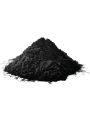
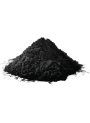
Charcoal powder: Charcoal powder (such as Bamboo Charcoal Powder) can be added for its purifying and detoxifying properties, as well as for color. However, adding any powder like charcoal will make the soap opaque, not clear. It can be dispersed but will not dissolve.
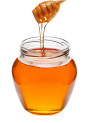
Honey: Adding pure honey can affect the clarity and stability of the soap base. Honey extracts (like Honey Extract Water-Dispersible or Honey Extract Oil-Soluble) are available, but these are often used primarily for scent or marketing claims rather than significant skin benefits in a wash-off product like soap. They might also impact clarity.
Aloe Vera: Aloe Vera Extract is sensitive to high pH and electrolytes, which are present in soap. Adding it to a soap base is unlikely to provide significant skin benefits due to degradation.
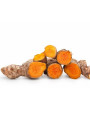
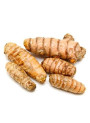
Turmeric powder (WhiteCumin): Turmeric extracts (like WhiteCumin 2x) are used for skin brightening and antioxidant properties, but they are also likely to be unstable at the high pH of soap. Adding turmeric powder would also make the soap opaque and impart color.
Collagen: Collagen (such as Collagen HP or Egg Shell Membrane Collagen) is a protein that would likely break down and lose its effectiveness in the high pH environment of soap.
Preservatives:
Traditional bar soaps with high pH are generally self-preserving. However, if you add water-based ingredients, extracts, or other components that might lower the pH slightly or introduce microbial contamination, it is advisable to use a preservative. Mild Preserved Eco is a preservative option that works in a pH range of 4-9, which might be suitable depending on the final pH of your modified soap. Always perform challenge testing to ensure preservation effectiveness.
Fragrance:
Adding fragrance (like Floral Background or Awakening) to soap is common. To help the scent last longer, ensure the fragrance oil is suitable for soap making and follow the recommended usage rate for the specific fragrance. Some fragrances naturally last longer in soap than others.
Achieving Clear Soap:
Adding powders (like charcoal or turmeric) or significant amounts of extracts or oils will typically reduce or eliminate the clarity of a clear glycerin soap base. To maintain clarity, you would need to be very selective about the types and amounts of additives used, focusing on ingredients specifically designed for clear soap formulations.
In summary, while you can add some ingredients like colorants or certain types of exfoliants to a glycerin soap base, adding many active ingredients like vitamins, extracts, and collagen is generally not recommended due to the high pH of the soap, which causes these ingredients to degrade.
Related Products Mentioned
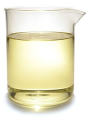
Vitamin E (Tocopheryl Acetate)
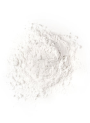
Vitamin C (L-ascorbic acid) (Ultra-Fine)
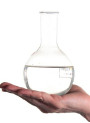
Glycerin (USP/Food Grade)
Mild Preserved Eco™ (Preservative-Free)
Bamboo Charcoal Powder (4-9micron, Eco)
Floral Background

Awakening
Collagen HP

Bamboo Charcoal Powder (1-2micron)
