Ingredient Compatibility, Vitamin C Derivatives, and Encapsulation Techniques
Question
Questions on Cosmetic Formulation
I have several questions regarding cosmetic formulation:
- What is the compatibility of Azelaic Acid (specifically
Liquid Azelaic™, which is Potassium azeloyl diglycinate) andZinc PCAwhen mixed together in the same formulation, and is there an issue with applying a cream containingLiquid Azelaic™followed by a sunscreen containingZinc PCAin separate layers? - Could you provide information on
Sodium Ascorbyl/Cholesteryl Phosphate? Additionally, what are the properties, stability, efficacy for brightening, and optimal pH range for related Vitamin C derivatives like Sodium Ascorbyl Phosphate (SAP) and Magnesium Ascorbyl Phosphate (MAP)? - What is the difference between the terms "Entrapment technique" and "Encapsulated"? Could you provide examples of ingredients or technologies that utilize this concept in cosmetics?
Answer
Answers to Your Formulation Questions
Here are the answers to your questions regarding cosmetic formulation:
1. Azelaic Acid (Liquid Azelaic™) and Zinc PCA
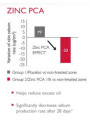
You are correct that Azelaic Acid (specifically Liquid Azelaic™ which is Potassium azeloyl diglycinate) and Zinc PCA are generally not compatible when mixed together in the same formulation. This is because they can cause precipitation, leading to an unstable product.
However, applying a cream containing Azelaic Acid (Liquid Azelaic™) followed by a sunscreen containing Zinc PCA in separate layers is typically not an issue. When applied in layers, the ingredients are in different product matrices and do not interact in the same way they would if combined directly in a single formula. The key incompatibility is within the formulation itself, not necessarily on the skin when applied sequentially.
2. Sodium Ascorbyl/Cholesteryl Phosphate
While we don't have specific information on "Sodium Ascorbyl/Cholesteryl Phosphate," we do have information on related Vitamin C derivatives like Sodium Ascorbyl Phosphate (SAP) and Magnesium Ascorbyl Phosphate (MAP). These are stable, water-soluble forms of Vitamin C often used for their skin brightening properties. They are generally considered moderately effective for brightening compared to some other Vitamin C forms but are good antioxidants within the product itself, helping to maintain the formula's stability.
Both SAP and MAP require a specific pH range (typically pH 7-9) in the formula for optimal stability and efficacy.
3. Entrapment technique vs. Encapsulated
The terms "Entrapment technique" and "Encapsulated" refer to the same general concept: a process where one substance is enclosed within another material. They are often used interchangeably in the context of cosmetic ingredients and drug delivery systems.
Encapsulation (or entrapment) is a technique used to protect sensitive ingredients, control their release over time, improve their stability, or make them compatible with other ingredients in a formula. Examples include:
- Water Encapsulation Powder: Silica powder that can hold a large amount of water, transforming a powder into a cream upon application.
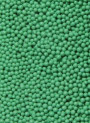
- Cooling Green Beads (Menthol Encapsulation): Beads containing menthol that release a cooling sensation when broken.
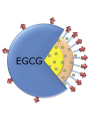
- ActiveRelease™ EGCG (Epigallocatechin Gallate Encapsulation): Encapsulated EGCG to improve water solubility, skin permeation, and provide gradual release.
These examples illustrate different methods and materials used for encapsulation/entrapment to achieve various functional benefits in a cosmetic product.
4. Philosophy on Creating Good Products
Your philosophy of seeking truth and educating consumers through high-quality products is commendable. Creating effective skincare is indeed like composing music – it requires understanding how ingredients work together harmoniously. Focusing on transparency and empowering consumers with knowledge builds trust and helps them make informed decisions about their skin health. Keep exploring and sharing your insights; the community benefits from shared knowledge and passion for creating better products.