Ingredient Information and Application
Asked by: lee_nu322
On: August 15, 2019
Product Type:
Cosmetics
Answered
Question
Could you please provide information about the following ingredients?
- Gluconolactone
- Sodium Citrate
- Butylene Glycol
- Lactobacilus Ferment
- Citric Acid
- Caprylyl/Capryl Glucoside
- Sodium Hyaluronate
- Zinc Gluconate
- Zinc PCA
- Zinc Lactate
- Schizandra Sphenanthera Fruit Extract
- Sodium Dilauramidoglutamide
- Lysine
- Maltodextrin
- Polyglyceryl-10 Isosterate
- Pancratium Maritimum Extract
Answer
Ingredient Information
Here is information about the ingredients you listed, based on available data:
Exfoliants/Acids
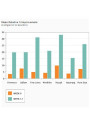
- Natural PHA (Gluconolactone): A gentle exfoliant derived from corn. It has a larger molecule than AHAs, making it less irritating while still helping to accelerate skin cell turnover. Recommended usage rate is 1-15%. The optimal pH range for formulations is 3.4-4.5. It should be mixed into the water phase.
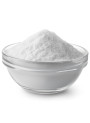
- Citric Acid: A natural acid produced by fermentation, commonly used to lower the pH in cosmetic formulations. It should be added gradually in small amounts to adjust the pH to the desired level. The usage rate is as needed to achieve the target pH, but the final formula pH should not be lower than 3.0. It is easily dissolved in the water phase.
Solvents/Texture Enhancers
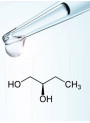
- Butylene Glycol: A solvent often used as a gentler alternative to Propylene Glycol, particularly for individuals sensitive to Propylene Glycol. It has a lighter texture. It can be used at a rate of 1-20%, but not exceeding 50%. It can be mixed into serum, lotion, or cream formulations and is soluble in water.
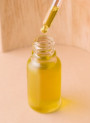
- Polyglyceryl-10 Isostearate: An oil-in-water emulsifier with an approximate HLB value of 13.5. It is non-ionic, meaning it has no charge and is compatible with most ingredients. It is also derived from natural sources. The usage rate is 1-6%. It should be mixed into the oil phase and is soluble in oil.
Skin Conditioners/Actives
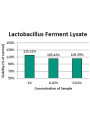
- Lactobacillus Ferment Lysate / MYFerment™ Exfo (Lactobacillus Ferment Lysate): This ingredient is derived from probiotics and promotes mild exfoliation, supports the skin barrier function, reduces transepidermal water loss (TEWL), soothes the skin, and helps balance the skin microbiome. It stimulates the production of tight junction proteins, enzymes that help shed dead skin cells, epidermal growth, and anti-microbial peptides. The usage rate is 1-5% (recommended 3%) for Lactobacillus Ferment Lysate and 1-100% for MYFerment™ Exfo. It should be mixed into the water phase, avoiding temperatures above 40°C. The optimal pH range for effectiveness is 3.5-5.5.
- Probio-Protect™ (Lactobacillus Ferment Preservative): A probiotic-derived preservative containing bacteriocins with antibacterial activity. It can also provide skin moisturizing benefits and reduce TEWL. The recommended usage rate is 0.5-4.0% (recommended 2.0%). It dissolves in water, and heat should be avoided during mixing.
- Sodium Hyaluronate (related products):
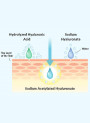
- Super-HYA™ (Sodium Acetylated Hyaluronate, AcHA): A modified hyaluronic acid designed for better skin absorption due to its lipophilic and hydrophilic characteristics. It provides deep moisture to the skin. The usage rate is 0.01-0.1%. It should be mixed into the water phase.
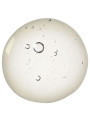
- Hyaluronic Acid Gel Base: A ready-to-use gel base containing 4 molecules of hyaluronic acid, providing light, non-greasy moisture. It is free of preservatives, fragrance, and emulsifiers. It can be used as a base at a rate of 1-100%.
- HyaRetin™ (Sodium Retinoyl Hyaluronate): This is Retinoic Acid encapsulated within Hyaluronic Acid to improve stability and skin penetration. It offers anti-inflammatory benefits and promotes skin health and anti-aging effects. The usage rate is 0.01-0.1%. It should be mixed into the water phase and is incompatible with all types of cationic substances.
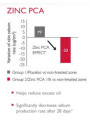
- Zinc PCA: Effective in reducing skin oiliness, accelerating wound healing (such as acne scars), stimulating collagen production, eliminating dandruff, and deodorizing the skin. It works by reducing the production of DHT, which contributes to oily skin and hair loss. It is considered more effective than Zinc Sulfate or Zinc Gluconate for reducing oiliness, acne, and promoting faster skin healing. The usage rate is 0.2-1.0% (1.0% for oily skin/acne, 0.2-0.3% for shampoo/dandruff). It should be mixed into the water phase and is heat resistant, but prolonged heating should be avoided. The optimum pH is in the range of 4-6 (usable range is 3-7).
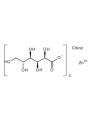
- Zinc Gluconate: Provides mineral zinc that can be absorbed into the skin. It is effective in reducing skin oiliness and helping to tighten pores in oily skin. It is an electrolyte, so compatibility with gel makers or thickeners should be checked. The usage rate is 0.05-0.5%. It should be mixed into the water phase.
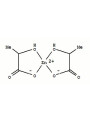
- Zinc Lactate: A water-soluble form of zinc that offers various benefits for oral care, such as reducing plaque, bacteria, and bad breath. The usage rate is 0.1-1.0% (recommended 0.2-0.3% in spray formulations and 1.0% in mouthwash formulas). It is soluble in water, and using a temperature of 70-80°C can help accelerate dissolution.
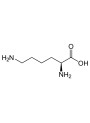
- L-Lysine (Base): An amino acid. Note that it has a strong smell. The usage rate is 0.1-1%. It should be mixed into water.
Cleansing Agents
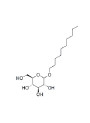
- Caprylyl/Capryl Glucoside: Used in skin or hair cleansing products. The usage rate is 1-10%. It should be mixed into water.
Ingredients with Limited Information
Information for Schizandra Sphenanthera Fruit Extract, Sodium Dilauramidoglutamide, Maltodextrin, and Pancratium Maritimum Extract was not available in the database.
Related Products Mentioned
Zinc PCA
Cosmetics
Butylene Glycol
Cosmetics
Natural PHA (Gluconolactone)
Cosmetics
Zinc Lactate
Cosmetics
Zinc Gluconate
Cosmetics
Caprylyl/Capryl Glucoside
Cosmetics
L-Lysine (Base)
Cosmetics
Lactobacillus Ferment Lysate
Cosmetics
Hyaluronic Acid Gel Base
Cosmetics
Polyglyceryl-10 Isostearate
Cosmetics
Citric Acid (Anhydrous, Natural)
Cosmetics