Ingredient Information for Sunscreen and Night Cream Formulations
Question
I am developing two skincare formulations: a sunscreen and a night cream focusing on moisturizing, nourishing, and post-sun repair. I would like detailed information regarding the properties, recommended usage rates, mixing instructions, pH range, stability, and compatibility of the following ingredients for use in these formulations:
For Sunscreen Formulation:
- Sym-White (Phenylethyl Resorcinol)
- Vitamin C (L-ascorbic acid) (Ultra-Fine)
- DHHB (Diethylamino Hydroxybenzoyl Hexyl Benzoate)
- BEMT (Bis-Ethylhexyloxyphenol Methoxyphenyl Triazine)
- Zinc Oxide (200nm EasyDisperse™)
- isohexadecane
- Dimethicone (Light/50, Low-Odor)
- Soft Cream Maker™
- White Iron Oxides
- Preservative
- Fragrance
For Night Cream Formulation (Moisturizing, Nourishing, Post-Sun Repair):
- CM Glucan (Carboxymethyl Beta Glucan)
- Retinal (Retinaldehyde)
- Vitamin E (Tocopheryl Acetate)
- Vitamin B3 (Safe-B3™ / Niacinamide)
- Glucosamine (GlucoBright™ / Acetyl Glucosamine)
- Preservative
Answer
Ingredient Analysis for Formulations
Sunscreen Formulation
Here is information about the ingredients you are interested in for your sunscreen formulation:
- Sym-White (Phenylethyl Resorcinol): Acts as a skin brightener, reduces dark spots, and is an antioxidant. It is considered highly effective and safe. The recommended usage rate is 0.1-1.0% (0.5% recommended for leave-on products). Should be added in the final step to formulations containing an oil phase. Heat up to 50°C can help dissolution. The formula pH should be in the range of 4-5. Avoid certain ingredients like Carbomer, Carbopol, PEG-400, Amino Acids, Urea, or protein groups. The finished product should be stored in packaging that protects from light and air.
- Vitamin C (L-ascorbic acid) (Ultra-Fine): A highly pure, ultra-fine form of Vitamin C, considered the most effective type. It brightens skin, softens wrinkles, stimulates collagen production, and acts as an antioxidant. Usage rate is 3-15% (3% for general wrinkle reduction, 15% for skin whitening). Mix in the final step when the formula temperature is below 30°C, with a pH between 2.0-4.0 (FDA requires cosmetic pH >= 3.5). This type of Vitamin C is unstable when dissolved directly in water; it is suitable for anhydrous formulas or requires protection with antioxidants like Protec™ OX and Protec™ UV. Store in the refrigerator.
- DHHB (Diethylamino Hydroxybenzoyl Hexyl Benzoate): An organic (chemical) sunscreen that effectively blocks UVA light (320-390 nm) and is highly stable under sunlight. Usage rate is 1-10% (2.5-3% recommended when used with Zinc Oxide for UVA protection, or 5-7.5% if used alone for UVA). Mix in the oil phase, heating to about 80°C can aid dissolution (for no more than 30 minutes). It does not cause a white cast and can boost the SPF of other UVB sunscreens.
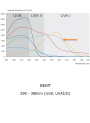
- BEMT (Bis-Ethylhexyloxyphenol Methoxyphenyl Triazine): An organic (chemical) sunscreen that provides broad-spectrum protection against UVA/UVB light (290-370 nm) and is highly stable. Usage rate is 1-10% (2-4% is often sufficient for high-performance formulas). Dissolve in the oil phase, can withstand heat up to 80°C for no more than 30 minutes. It does not cause a white cast and can be used with physical sunscreens.
- Zinc Oxide (200nm EasyDisperse™): A physical sunscreen that protects against both UVA/UVB, particularly effective against long-wave UVA. Usage rate is 5-25%. Mix in silicone (1:1 ratio with Cyclomethicone) or the oil phase. For liquid sunscreen formulas, it should be used with Xanthan Gum (0.2-0.3%) and Propylene Glycol (3-4%) for proper dispersion and stability. It is considered safer than chemical sunscreens and less likely to clog pores, but may leave a white cast (reduced by the nano size).
- isohexadecane: An ultra-lightweight emollient, solvent, and carrier. It leaves no greasy residue, is non-comedogenic, and provides water-repellency. It is non-volatile. Usage rate is 1-25%. It dissolves well in silicones, hydrocarbons, and isoparaffins.
- Dimethicone (Light/50, Low-Odor): A silicone with a light texture, non-volatile, and odorless. It helps coat the skin, providing a soft and smooth feel without stickiness. Usage rate is 0.5-50%. Mix in the silicone or oil phase. It cannot dissolve in water gels.
- Soft Cream Maker™: An emulsifier that creates a soft cream texture and a shiny liquid crystal appearance. It works in a wide pH range (3-12) and can support up to 25% oil in the formula. It requires heating to 60-70°C to dissolve in the oil phase. The cream texture develops fully after about 48 hours. Usage rate is 3-10% (5% recommended).
- White Iron Oxides: A white pigment (often coated Titanium Dioxide) used for coloring cosmetic formulations. Usage rate is 1-20% (depending on desired color intensity). Mix in powder, oil, or silicone.
- Preservative: Essential for formulas containing water to prevent microbial growth. Various types are available; choose one compatible with the formula's pH and ingredients. Usage rate varies by type. An example is Mild Preserved Eco™.
- Fragrance: Used to add scent to the product. Usage rate varies by type and desired intensity. A fragrance solubilizer like Flora Solve™ Clear may be needed in water-based formulas.
Night Cream Formulation (Focus on Moisturizing, Nourishing, Post-Sun Repair)
Here is information about the ingredients you are interested in for your night cream formulation:
- CM Glucan (Carboxymethyl Beta Glucan): Helps improve the skin's immune system, reduces irritation and allergic reactions, and helps protect skin from UVA damage. It is water-soluble. Usage rate is 1-5%. Mix in the water phase; it can withstand heat up to 80°C for no more than 30 minutes. The formula pH should be in the range of 3.0-7.0. Using high amounts may cause stickiness. It is not ideal as a primary moisturizer for dry skin.
- Retinal (Retinaldehyde): The most effective form of Vitamin A permitted in cosmetics by the FDA. It is highly effective for anti-aging and reducing wrinkles. When applied to the skin, it is converted to Retinoic Acid, the form the skin can readily use. Usage rate is 0.01-0.1% (0.05% recommended). Mix in the oil phase, avoiding heat. The formula pH should be in the range of 3.5-6.5. It must be packaged to protect from light and air. It should be used with antioxidants (e.g., ActiveProtec™ OX, Protec™ UV, Protec™ SQ, or Bakuchiol) and Vitamin B3 to help with stability and reduce irritation. Using more than 0.1% can cause skin irritation. Store in the refrigerator or freezer.
- Vitamin E (Tocopheryl Acetate): A stable form of Vitamin E used as an antioxidant. It helps protect other ingredients in the formula from degradation and acts as an antioxidant for the skin. Usage rate is 0.1-1% (0.01% for antioxidant in oils, 0.1-0.5% for skin antioxidant). Mix with oil or emulsifier; do not heat for more than 5 minutes. Using more than 0.5% may cause a sticky feeling. Store in a cool place (4-8°C).
- Vitamin B3 (Safe-B3™ / Niacinamide): A high-purity form of Vitamin B3 that can be used up to 10% without causing flushing. It helps reduce wrinkles, hyperpigmentation, adds moisture (by stimulating collagen and ceramide), strengthens the skin barrier, reduces oiliness, and can help with dark circles under the eyes. Usage rate is 1-10% (5% recommended, Safe-B3 up to 10%). Mix in the water phase; it is heat resistant but avoid prolonged heating. The optimal pH is in the range of 3-8 (best 4.0-7.0). It should be used with Retinal to help reduce irritation.
- Glucosamine (GlucoBright™ / Acetyl Glucosamine): Used with Vitamin B3 to help brighten skin and reduce dark spots. It also stimulates natural Hyaluronic Acid production, providing moisture and reducing wrinkles, offers gentle exfoliation, and helps reduce acne breakouts. Usage rate is 1-8% (4% recommended when used with Niacinamide 2-4%). It is water-soluble. Mix in the water phase; it is heat resistant but avoid prolonged heating. The formula pH should be in the range of 3-7. Using it with Vitamin B3 (Niacinamide) is recommended for complete pigmentation inhibition.
- Preservative: Essential for formulas containing water to prevent microbial growth. Various types are available; choose one compatible with the formula's pH and ingredients. Usage rate varies by type. An example is Mild Preserved Eco™.
This information provides a basic understanding of the properties and typical usage ranges of each ingredient. Developing a stable and effective formulation requires further experimentation with proportions, compatibility testing, and stability testing of the finished product.
If you require recommendations for manufacturing facilities, please contact our customer service team again at care@myskinrecipes.com. You can provide them with the list of ingredients you are interested in and the desired product characteristics, and they can suggest suitable manufacturers.
Related Products Mentioned
Vitamin E (Tocopheryl Acetate)
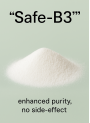
Safe-B3™ (Vitamin B3, Niacinamide)
GlucoBright™ (Acetyl Glucosamine)
Vitamin C (L-ascorbic acid) (Ultra-Fine)
Zinc Oxide 200nm EasyDisperse™
White Oxides EasyMix™
Dimethicone (Light/50, Low-Odor)
Soft Cream Maker™
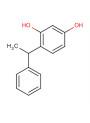

CM Glucan (Carboxymethyl Beta Glucan)
Retinal (Retinaldehyde)
Mild Preserved Eco™ (Preservative-Free)