Ingredient Recommendations for Combination Skin with Oily T-Zone (Toner, Sunscreen, Body Wash)
Question
Could you please recommend ingredients for combination skin with an oily T-zone? I need recommendations for the following products, including the suggested ingredients, usage percentages, and manufacturing methods:
- Facial Cleansing Toner
- Face and Body Sunscreen
- Body Wash
Thank you.
Answer
Recommended Ingredients for Combination Skin with Oily T-Zone
Thank you for your question. For combination skin with an oily T-zone, the goal is to control excess oil in the T-zone while maintaining hydration in drier areas, and to use ingredients that are non-comedogenic (do not clog pores).
Please note that providing exact percentages and detailed manufacturing instructions for a complete formula is beyond the scope here, as professional formulation requires specific expertise and testing. However, I can recommend types of ingredients and specific products that are beneficial for each product category you mentioned, along with typical usage ranges based on product descriptions.
1. Facial Cleansing Toner
For a cleansing toner suitable for oily T-zones, look for ingredients that help control oil, tighten pores, and soothe the skin without stripping too much moisture.
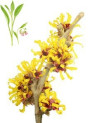
- Witch Hazel (Alcohol Free, Paraben Free) Plus Allantoin: This ingredient helps tighten pores and soothe the skin. It is commonly used in toners for oily skin. Typical usage rate is 10-100%.
- PoreNin™ (Natural Extracted Tannic Acid): Known for its pore-tightening and antioxidant properties. Typical usage rate is 0.1-3.0%.
- Safe-B3™ (Vitamin B3, Niacinamide): Helps reduce oiliness, minimize pores, reduce redness, and strengthen the skin barrier. Typical usage rate is 1-10%.
- Gentle Surfactants: If formulating a cleansing toner, mild surfactants like Mild-Wash L™ (Sodium Lauroamphoacetate) or IseFoam™ (Sodium Lauroyl Methyl Isethionate) can be considered at low concentrations (e.g., 1-5%) to aid in removing impurities without causing dryness.
2. Sunscreen (Face and Body)
Sunscreen for combination skin should offer broad-spectrum protection (UVA/UVB) and ideally have a lightweight, non-greasy texture. Chemical sunscreens are often preferred for their texture.
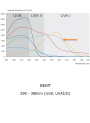
- UV Filters: Ingredients like Octocrylene (protects against UVB, UVA II) and BEMT (protects against UVA/UVB) are effective chemical filters. Typical usage rates vary depending on the desired SPF/PA level and combination with other filters (e.g., Octocrylene 5-10%, BEMT 1-10%, often 2-4% is sufficient for high performance).
- Solvents/Emollients: To help dissolve chemical sunscreens and provide a non-sticky feel, consider ingredients like LipidSoft™ SPF. Typical usage rate is 1-50%.
- Film Formers: For water and wear resistance, especially in body sunscreens, a film former like Allianz OPT can be used. Typical usage rate is 1-5%.
3. Body Wash
For a body wash suitable for combination skin, choose gentle surfactants that cleanse effectively without over-drying, and consider ingredients that help maintain the skin barrier.
- Gentle Surfactants: Mild surfactants such as Mild-Wash L™ (Sodium Lauroamphoacetate), IseFoam™ (Sodium Lauroyl Methyl Isethionate), or Sodium Cocoyl Glycinate provide good cleansing and lather while being gentle on the skin. Typical usage rates vary depending on the desired foam and cleansing strength (e.g., Mild-Wash L™ 1-20%, IseFoam™ 1-15%, Sodium Cocoyl Glycinate 5-40%). Combining surfactants is common.
- Ceramide Additives: To help repair and enhance the skin barrier, especially after washing, consider adding ingredients like Ceracare™ Wash-5 (Ceramide Depositing Lipid Particle). This helps deposit ceramides on the skin even in wash-off products. Recommended usage rate is 0.1-2% (1% recommended).
Remember that formulating cosmetic products requires careful consideration of ingredient compatibility, stability, preservation, and safety testing. The information provided here is for general guidance on ingredient types and their typical roles and usage ranges based on available product descriptions. For precise formulations, it is best to consult with a cosmetic chemist or follow tested formulas from reliable sources.
Related Products Mentioned
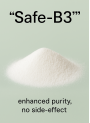
Safe-B3™ (Vitamin B3, Niacinamide)
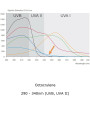
Octocrylene
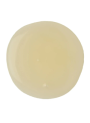
Mild-Wash L™ (Sodium Lauroamphoacetate)
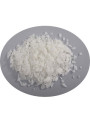
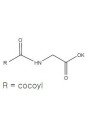
Sodium Cocoyl Glycinate

LipidSoft™ SPF