Ingredient Recommendations for Dehydrated, Sensitive Skin with Melasma & Hair Growth
Question
I am new to MySkinRecipes and need guidance. I understand I can order ingredients, but I'm unsure how to choose the right ones for my specific concerns, how to know if they are redundant, and how to avoid allergic reactions.
My skin profile is:
- Dehydrated, with an oily T-zone (chin, nose) and dry cheeks.
- Makeup does not apply well.
- My aesthetician says my face is very dry.
- The skin under my eyes has wrinkles and is very sensitive.
- My skin is prone to clogged pores when using rich/oily products.
- I have clear, dark melasma/freckles on both cheekbones.
- My skin is very sensitive and reacts to sunlight even when using SPF 60.
My hair is oily, and I want more volume/growth.
I need recommendations for ingredients or products (ready-to-use or for mixing) that can:
- Treat dehydration without causing clogged pores or sensitivity.
- Significantly lighten melasma/freckles and brighten overall skin tone.
- Build skin strength to reduce sensitivity and sun reaction.
- Address under-eye wrinkles.
- Help with oily hair and promote hair growth/volume.
Also, if I order ingredients, do you mix them into a pump bottle, or is there an extra charge for this service?
Answer
Guidance for Your Skincare and Hair Concerns
Welcome to MySkinRecipes! It's understandable to feel overwhelmed when you're new to formulating. Let's break down your questions and concerns.
Ordering Products and Ready-to-Use Options
MySkinRecipes offers two main ways to get products:
- Buying Ingredients: You can purchase individual raw ingredients and base products to create your own custom formulations. This gives you full control over what goes into your skincare.
- Ready-to-Use Products: MySkinRecipes also offers some ready-made products that are already formulated. You can find more details about these options on the website.
Whether you choose to formulate yourself or buy ready-to-use depends on your comfort level and interest in the DIY process.
Choosing Ingredients, Overlap, and Allergies
Choosing ingredients involves understanding your skin's needs and the function of each ingredient. To avoid overlap or using too many ingredients that do the same thing (which can increase the risk of irritation without added benefit), it's helpful to research each ingredient's mechanism of action and recommended usage rate.
Allergies: Given your history of sensitivity and yeast allergy, it is crucial to perform a patch test with any new ingredient or product before applying it to your face. Apply a small amount to an inconspicuous area (like behind the ear or on the forearm) and wait 24-48 hours to see if any reaction occurs. This is the best way to know if you will react to a specific ingredient.
Ingredient Recommendations for Your Concerns
Based on your skin profile (dehydrated, oily T-zone, dry cheeks, sensitive, prone to clogged pores with rich textures, melasma, eye wrinkles, sun sensitivity) and hair concerns (oily, wanting more volume), here are some ingredient categories and specific ingredients that could be beneficial:
For Dehydration, Skin Barrier Repair, and Sensitivity (without clogging)
Focus on ingredients that strengthen the skin barrier and provide hydration without heavy oils.
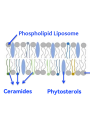
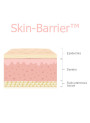
- Skin-Barrier™: Contains ceramides, cholesterol, and fatty acids in a liposomal form to mimic the skin's natural barrier, helping to repair dryness and irritation.
- Ceracare™ Liposome-3: Another ceramide complex in liposomal form, similar to skin lipids, to enhance barrier repair, reduce sensitivity, and provide deep moisturization.
- TransMoist™: A water-soluble emollient that provides hydration and helps ingredients absorb faster without a heavy feel.
- WaterSoft™: A water-soluble emollient suitable for water-based formulas like toners or sprays, providing a soft feel without oiliness.
- Prebio-care: A skin prebiotic that helps balance the skin's natural flora, which can improve skin barrier function and reduce sensitivity and itching.
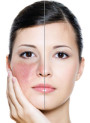
- Pep-Calm™: A peptide designed to reduce skin redness and irritation, helping to calm sensitive skin.
For Melasma, Dark Spots, and Brightening
Ingredients that target melanin production and help fade pigmentation. For sensitive skin, start with lower concentrations or fewer active ingredients.
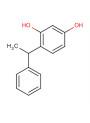
- Phenylethyl Resorcinol: A potent skin brightening agent that inhibits tyrosinase (the enzyme responsible for melanin production). It's considered effective at low concentrations.
- Tranexamic Acid (Trans-White™): Works to reduce melanin formation, particularly effective for sun-induced pigmentation and melasma.
- MelaninTerminate™: An oligopeptide from pearl extract that inhibits melanin production through a different mechanism (endothelin antagonist), offering an alternative approach to brightening.
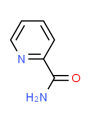
B3-Boost™ (Picolinamide): Research suggests it can help reduce blemishes, potentially as an alternative to hydroquinone with less irritation.
Note: Combining multiple strong whitening agents can increase the risk of irritation, especially for sensitive skin. Consider starting with one or two and seeing how your skin responds.*
For Eye Wrinkles
Ingredients that target fine lines and improve the skin around the eyes.
- REGU®-AGE: Helps reduce dark circles and puffiness around the eyes and strengthens the delicate skin.
- Wrinkle-Lax™: Works to relax muscle contractions that contribute to expression lines.
- Pep®-Eye (Acetyl Tetrapeptide-5): A popular peptide for eye area products, known for reducing puffiness and dark circles.
- GP4G EX™: A plankton extract that can help stimulate skin cell production, potentially benefiting the skin around the eyes.
For Makeup Removal (Acne-Prone Skin)
Gentle yet effective options that won't clog pores.
- MakeUp-Wash™: A gentle detergent base that forms micelles to remove makeup thoroughly without drying the skin.
- Polox-Mix™: A non-irritating cleansing water base that is gentle enough for the eye area and effective at removing makeup.
- Cleansing Balm: A ready-made balm base that effectively dissolves makeup. Look for formulas designed not to clog pores.
For Oily Hair and Hair Growth
Ingredients that can help balance the scalp and stimulate hair follicles.
- Hair-Prebiotic™: A prebiotic for hair that can help nourish the scalp and hair, potentially improving hair health.
- Minoxil Aqua™: Works on the hair follicle structure to help reduce hair loss and promote hair growth.
- GP4G EX™: Also beneficial for stimulating hair cells, which can help accelerate hair growth.
Next Steps
- Explore Ready-to-Use: If you prefer not to mix yourself, look into the ready-to-use options available on the website.
- Research Ingredients: If you want to formulate, read the detailed descriptions of the ingredients mentioned above on the MySkinRecipes website to understand their properties and how to use them.
- Start Simple: Begin with a few key ingredients targeting your most pressing concerns (e.g., hydration and barrier repair) in a simple base. Gradually introduce other active ingredients.
- Patch Test: Always, always patch test new ingredients or formulations.
Formulating your own skincare can be a rewarding process that allows you to tailor products precisely to your skin's needs. Don't hesitate to ask more specific questions as you learn!
Related Products Mentioned

REGU®-AGE (CB)

Wrinkle-Lax™ คลายริ้วรอย
Tranexamic Acid (Trans-White™)

WaterSoft™ (PEG/PPG-17/6 copolymer)

Prebio-care (Skin Prebiotic)
TransMoist™ (PPG-24-Glycereth-24)

Pep®-Eye (Acetyl Tetrapeptide-5)

Hair-Prebiotic™

MelaninTerminate™
Pep-Calm™ (Palmitoyl Tripeptide-8)
B3-Boost™ (Picolinamide)