Ingredient Recommendations for Toner and Moisturizer for Combination Skin with Acne and Dark Spots
Question
I have combination skin with acne (both clogged and inflamed), enlarged pores, dark spots, and melasma, while my cheeks are dry. I previously had a bad experience with hydroquinone. I am looking for ingredient recommendations to formulate a toner and a moisturizer suitable for my skin type, aiming to control acne, reduce dark spots, and provide hydration without causing irritation.
Answer
Ingredient Recommendations for Toner and Moisturizer for Combination Skin with Acne and Dark Spots
Hello! I understand your skin type and concerns, diow_tuatoo. Caring for combination skin with acne, enlarged pores, clogged pores, and dark spots/melasma, alongside dryness on the cheeks, requires special attention, especially given your previous experience with hydroquinone.
Based on the information you provided and the advice from experts in the thread, focusing on controlling acne and reducing inflammation is a crucial first step. BHA is a good ingredient for exfoliation and dissolving clogged pores. However, for deep and recurring clogged acne, professional extraction might be necessary as suggested by cosmeceutical7. Dark spots and melasma should be addressed gradually, focusing on soothing the skin and strengthening the skin barrier simultaneously.
Here are ingredient recommendations for a toner and a moisturizer designed to address your skin concerns:
Toner (Focus: Acne Management, Exfoliation, and Soothing)
The toner should have properties that help cleanse pores, control oil, reduce inflammation, and provide initial hydration to prepare the skin for subsequent steps.
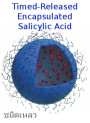
- Encapsulated Salicylic Acid (BHA): This is a special form of BHA with a timed-release mechanism, which is gentler than regular BHA. It is effective in dissolving clogged pores, cleaning out pores, and exfoliating the skin. You can adjust the concentration based on your skin's tolerance. (e.g., Encapsulated Salicylic Acid)
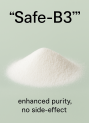
- Niacinamide (Vitamin B3): A versatile ingredient that helps reduce acne inflammation, redness, dark spots, control oil, minimize pores, and strengthen the skin barrier. It's highly suitable for combination and acne-prone skin (e.g., Safe-B3™).
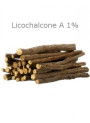
- Soothing and Anti-inflammatory Extracts: To reduce potential irritation from BHA use and help strengthen the skin, consider ingredients like Licorice Extract (especially those high in Licochalcone A, such as Licorice Extract (Licochalcone A 1%, Water-Soluble) or Hi-LiconeA™ Licorice Extract), Centella Asiatica Extract (e.g., Centella Asiatica Extract or Pure-TECA™ Centella Asiatica Extract), Calendula Extract (e.g., Calendula Extract (Water Soluble)), and Aloe Vera Extract.
- Hyaluronic Acid: A great hydrating ingredient that helps replenish moisture, reducing dehydration particularly in the oily-but-dehydrated T-zone and dry cheeks. You can use different molecular weights of Hyaluronic Acid for hydration at various skin depths (e.g., Hyaluronic Acid (Standard Molecule), Hyaluronic Acid (Small Molecule), Hyaluronic Acid (Nano Molecule, 800daltons)).
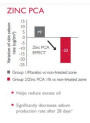
- Zinc PCA: Helps reduce excess oil on the skin and has properties that aid in reducing inflammation and promoting skin healing (e.g., Zinc PCA).
Regarding LHA (Capryloyl Salicylic Acid): LHA is a derivative of Salicylic Acid with a larger molecular structure, causing it to penetrate the skin more slowly and work on the surface layers compared to regular BHA. It is generally considered gentler and suitable for mild exfoliation. However, for deep clogged pores, BHA might still be more effective at dissolving the clogs. The choice depends on individual skin response. If your current BHA isn't effective for deep clogs or causes significant irritation, LHA might be a gentler alternative, but it may not be more effective for deep clogs than BHA. Reconsider professional extraction for stubborn deep clogs (e.g., Capryloyl Salicylic Acid (LHA, LPA, Lipo Hydroxy Acid) Powder).
Moisturizer (Focus: Hydration, Barrier Repair, and Gentle Brightening)
The moisturizer should focus on restoring the skin barrier, providing adequate hydration without clogging pores, and including ingredients that gently address dark spots/melasma.
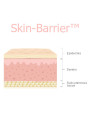
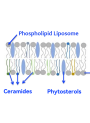
- Ceramides, Fatty Acids, Cholesterol: Essential components of the skin barrier, helping to strengthen the skin, reduce water loss, and are particularly beneficial for the dry areas on the cheeks. They also help the skin become more resilient to the BHA used in the toner (e.g., Skin-Barrier™ or Ceracare™ Liposome-3).
- Hyaluronic Acid: Similar to the toner, it helps draw water into the skin, keeping it hydrated and plump (e.g., Hyaluronic Acid (Standard Molecule), Hyaluronic Acid (Small Molecule), Hyaluronic Acid (Nano Molecule, 800daltons)).
- Niacinamide: Further supports the reduction of dark spots and strengthens the skin barrier in the moisturizer (e.g., Safe-B3™).
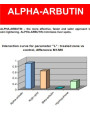
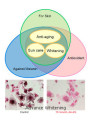
- Gentle Dark Spot/Melasma Ingredients: Choose safe ingredients that won't increase irritation, such as Alpha Arbutin (e.g., Alpha Arbutin (Switzerland)), Tranexamic Acid (e.g., Tranexamic Acid or Nano-TXA™), and stable Vitamin C Derivatives (e.g., Ascorbyl Glucoside or Ascorbyl Glucoside 20% Gel). These ingredients help inhibit melanin production gradually.
- Soothing Ingredients: Such as Licorice Extract, Centella Asiatica Extract, Calendula Extract help reduce inflammation and strengthen the skin.
Additional Recommendations:
- Increase the concentration of BHA gradually and observe your skin's reaction closely. If you experience irritation, stinging, redness, or peeling, reduce the frequency or concentration.
- If you have significant inflamed acne, prioritize soothing and anti-inflammatory ingredients in your toner and focus on barrier repair and hydration in your moisturizer. Gentle brightening ingredients may be introduced once the inflammation subsides, or opt for very gentle ones.
- For deep, persistent clogged pores, consulting a dermatologist for proper extraction is a good option to prevent recurring inflammation and scarring.
- Always patch test new products on a small area of skin before applying them to your entire face.
I hope these recommendations are helpful in selecting ingredients to create skincare products suitable for your skin condition, diow_tuatoo!
Related Products Mentioned
Alpha Arbutin (Switzerland)
Safe-B3™ (Vitamin B3, Niacinamide)

Calendula Extract (Water Soluble)
Zinc PCA
Tranexamic Acid (Trans-White™)