Ingredients for Lip Balm Targeting Dark Lips and Exfoliation
Question
Can `Capryloyl Salicylic Acid` (`LHA`) be used for lip exfoliation in a lip balm formulation, considering it dissolves in oil? Are there other recommended ingredients for lip exfoliation?
Answer
Lip Balm for Dark Lips: Ingredient Recommendations
To create a lip balm that helps address dark lips, you can incorporate ingredients that target pigmentation, gently exfoliate, and provide sun protection.
Whitening Ingredients
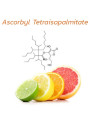
- Perfect-C (Ascorbyl Tetraisopalmitate): Yes, this oil-soluble Vitamin C derivative is suitable for lip balm and effective for skin brightening. It should be added during the cooling phase of your formulation as it is sensitive to heat. The recommended usage rate for Perfect-C is typically 1-10%, with 5% being a common recommendation for efficacy. This is different from the usage rate for Vitamin E, so do not use the same amount.
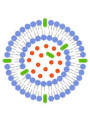
- NanoRes (4-Butyl Resorcinol): This is a potent whitening agent that inhibits melanin production. The Nano size and liposome encapsulation improve stability and absorption. It is water-soluble and can be used at 1.0-10.0%.
- Hexylresorcinol AF: A water-soluble ingredient that works on multiple stages of melanin production. It is effective for reducing dark spots and overall skin whitening without causing irritation. Recommended usage rate is 1-3%.
Exfoliating Ingredients
Gentle exfoliation can help remove pigmented surface cells. Since lip skin is delicate, use these at low concentrations.
- Capryloyl Salicylic Acid (LHA): This oil-soluble exfoliant can be used in lip balm. As previously mentioned, start with a low concentration, ideally no more than 50% of the typical usage rate for face/body products (which is 0.5-5%, so start below 2.5% for lips, perhaps 0.5-1%). It should be mixed into the oil phase with gentle heating.
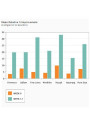
- Natural PHA (Gluconolactone) / Malt-Exfo (Maltobionic acid): These are Polyhydroxy Acids (PHAs) which offer gentler exfoliation than AHAs or BHAs due to their larger molecular size. They also provide hydration. They are water-soluble and can be used at 1-15% (PHA) or 1-5% (Malt-Exfo) in general cosmetics, but lower concentrations are advisable for lips.
- Bio-S Protease: A natural enzyme that provides gentle exfoliation by breaking down proteins. It is water-soluble and stable, suitable for use at 0.1-5%. Avoid heat above 40°C.
Sunscreen
Adding sunscreen is essential to prevent UV-induced darkening of the lips.
- Zinc Oxide: This mineral filter provides broad-spectrum UV protection. You can use Zinc Oxide (Ultra-Fine) powder dispersed in your oil phase, or opt for Zinc Oxide Transparent Dispersion (available in different bases like C12-15 alkyl benzoate or Isopropyl Palmitate) which are easier to mix and reduce whitening effect on the lips. Usage rates for Zinc Oxide vary depending on the desired SPF level, but typically range from 5% to 25% active Zinc Oxide.
Regarding Vitamin E
Vitamin E (Tocopheryl Acetate) is primarily used as an antioxidant to protect the oils in your formulation from going rancid and also offers some antioxidant benefits to the skin. While beneficial, its primary function is not skin whitening like Perfect-C or other pigment-reducing ingredients. Its typical usage rate is 0.1-1%.
When formulating, always follow the recommended usage rates for each specific ingredient and conduct patch testing, especially for exfoliating agents, to ensure there is no irritation on the sensitive lip skin.
Related Products Mentioned
Vitamin E (Tocopheryl Acetate)
Natural PHA (Gluconolactone)