Ingredients for Vitamin C Lotion at pH 3.5-4
Question
For a Vitamin C lotion formulation at pH 3.5-4, which ingredients are stable and work well, and which ingredients should be avoided or used with caution?
Answer
Ingredients for Vitamin C Lotion at pH 3.5-4
Creating a Vitamin C body lotion at a pH of 3.5-4 requires selecting ingredients that are stable and effective in this acidic environment. Here's a guide on which ingredients work well and which to be cautious with:
Vitamin C Forms Suitable for pH 3.5-4
For a lotion in the pH range of 3.5-4, the most suitable forms of Vitamin C are those that remain stable and active at this acidity:
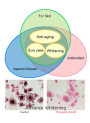
- L-Ascorbic Acid: This is the pure form of Vitamin C and is most effective at acidic pH levels, typically below 3.5 for maximum penetration, but it remains stable and effective in the 3.5-4 range as well. It helps brighten skin, reduce wrinkles, and acts as an antioxidant.
- Ethyl Ascorbic Acid: A highly stable derivative of Vitamin C that is water-soluble and effective in a pH range of 3.5-6.0. It offers similar benefits to L-Ascorbic Acid, including skin brightening and anti-aging effects.
Other Beneficial Ingredients Compatible with pH 3.5-4
Many other beneficial ingredients can be included in a lotion formulated at pH 3.5-4:
- Vitamin E (Tocopheryl Acetate): A stable antioxidant that works synergistically with Vitamin C to protect the skin. It is generally compatible with this pH range.
- Hyaluronic Acid: A great humectant for hydration. While pure Hyaluronic Acid can degrade at very low pH over time, in the 3.5-4 range and potentially protected within delivery systems like Ascorbyl Propyl Hyaluronate, it can often be included.
- Ferulic Acid: Often used with L-Ascorbic Acid and Vitamin E to enhance stability and antioxidant protection.
Ingredients to Be Cautious With or Avoid at pH 3.5-4
Some ingredients are not stable or effective at this low pH, or can cause compatibility issues:
- Certain Vitamin C Derivatives: Forms like Ascorbyl Glucoside (AA-2G) are stable at a higher pH (typically 6.5-6.8), and Sodium Ascorbyl Phosphate (SAP) is stable in an alkaline range (pH 7-9). These forms will not be stable or effective at pH 3.5-4.
- Niacinamide (Vitamin B3): While Niacinamide itself is stable over a broad pH range (optimum 4.0-7.0, stable 3-8), combining it with certain acidic ingredients, especially L-Ascorbic Acid at higher temperatures or over time, can potentially convert Niacinamide into Niacin, which can cause skin flushing or irritation. Furthermore, some specific forms of Vitamin C, like Ethyl Ascorbic Acid, explicitly state incompatibility with Niacinamide in the same formula. It's generally safer to avoid combining high concentrations of L-Ascorbic Acid or Ethyl Ascorbic Acid with Niacinamide in the same low pH formula, or use stabilized forms and test compatibility carefully.
- Ingredients sensitive to low pH: Some polymers, thickeners, or botanical extracts may lose their efficacy or stability in highly acidic conditions. Always check the recommended pH range for each specific ingredient you plan to use.
When formulating, always check the recommended usage pH for each specific ingredient from the supplier to ensure stability and efficacy in your target pH range of 3.5-4.
Related Products Mentioned
Vitamin E (Tocopheryl Acetate)
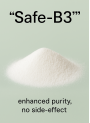
Safe-B3™ (Vitamin B3, Niacinamide)