Inquiry about Hand and Foot Cream Formulation
Question
I am currently using a hand and foot care product to reduce dryness and roughness, which has the following main ingredients:
aquaglyceryl monostearatepetrolatumwaxcetyl alcoholdimethiconeureaglycerinmineral oilcera albalactic acidglycilic acidallontoinbarley rice milkcucumberaloe veravaselinecollagenshea butterlactic acidpropylene glycolvitamin EB3B5(Note: The list may have minor omissions as it was copied from a faded product label.)*
I would like a product with a similar ingredient profile. Can your lab formulate this for me, or can I purchase the ingredients and mix them myself at home? Please advise.
Also, please suggest if any ingredients should be added or removed. What would be the approximate cost?
Answer
Hand and Foot Cream Formulation Inquiry
Based on the list of ingredients you provided for your current hand and foot cream, it contains a good blend of ingredients known for their moisturizing, exfoliating, and skin-conditioning properties, suitable for addressing dryness and roughness.
Key ingredients and their benefits:
- Moisturizers and Emollients: Ingredients like Petrolatum (Vaseline Petroleum Jelly), Mineral Oil, Shea Butter, Cetyl Alcohol, Dimethicone, Glyceryl Monostearate (Glyceryl Stearate SE), and Beeswax (Natural White Beeswax) help to create a protective barrier on the skin, preventing moisture loss and making the skin feel soft and smooth.
- Humectants: Urea, Glycerin, and Propylene Glycol draw moisture into the skin, improving hydration levels.
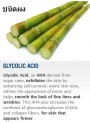
- Exfoliants: Lactic Acid (LipidSoft™ Lactic) and Glycolic Acid (Glycopure™, Ampho-Glycolic™) are Alpha Hydroxy Acids (AHAs) that help to gently shed dead skin cells, revealing smoother skin underneath. This is particularly beneficial for thickened skin on hands and feet.
- Soothing and Conditioning Agents: Allantoin, Aloe Vera Extract, Cucumber Extract, and potentially ingredients from Barley Rice Milk (like MYFerment™ Rice Berry) can help to calm irritation and provide additional skin benefits.
- Vitamins: Vitamin E and Vitamin B3 (Niacinamide - Safe-B3™, Extreme-B3™), and Vitamin B5 (Panthenol - D-Panthenol Care) offer antioxidant protection, improve skin barrier function, reduce redness, and condition the skin.
- Collagen: Collagen HP can contribute to skin hydration and elasticity.
Can this be formulated by a lab or mixed at home?
- Lab Formulation: Yes, a cosmetic laboratory can definitely formulate a cream with these ingredients. They have the expertise and equipment to ensure proper emulsification, stability, pH adjustment (especially important for AHAs), and preservation, resulting in a safe and effective product.
- Mixing at Home: It is possible to attempt to mix some of these ingredients at home, particularly if you are working with pre-made bases or simpler combinations. However, creating a stable emulsion (mixing oil and water-based ingredients) with the correct texture and ensuring proper preservation and pH for ingredients like Urea and AHAs can be challenging without cosmetic formulation knowledge and equipment. Incorrect formulation can lead to unstable products that separate, spoil, or cause skin irritation.
Ingredient Recommendations:
The list you provided is already quite comprehensive for a hand and foot cream targeting dryness and roughness. The combination of emollients, humectants, and exfoliants is effective. You might consider adjusting the concentrations of Lactic Acid and Glycolic Acid depending on the desired level of exfoliation and your skin's tolerance. For a homemade approach, using milder forms or lower concentrations of AHAs might be advisable, or opting for pre-mixed bases designed to incorporate active ingredients.
Adding a broad-spectrum preservative system is absolutely crucial if mixing at home to prevent bacterial and fungal growth, which can occur easily in water-containing formulations.
Estimated Price:
Providing an exact price estimate is difficult as it depends on several factors:
- Ingredient Cost: The cost varies significantly based on the purity, source, and quantity of each raw material. Purchasing small quantities for home use is generally more expensive per unit than bulk purchases for lab production.
- Formulation Complexity: A lab will charge for their expertise, development time, and manufacturing process.
- Packaging: The cost of packaging also contributes to the final product price.
Mixing at home might seem cheaper initially for raw materials, but requires an investment in basic equipment and carries the risk of wasted materials if the formulation is unsuccessful or unstable. Lab formulation will have a higher upfront cost but ensures a professional, stable, and safe product.
In summary, while the ingredients you listed are excellent for a hand and foot cream, achieving a stable and effective product requires careful formulation. A lab can provide a professional solution, while home mixing is possible but requires careful attention to detail, especially regarding emulsification, pH, and preservation.
Related Products Mentioned
Vitamin E (Tocopheryl Acetate)
Shea Butter (Refined , Deodorised)

Vitamin E (dl-alpha tocopherol)
Propylene Glycol (USP)
Glycerin (USP/Food Grade)
Urea (High Purity, Cosmetics, Powder)
Cetyl Alcohol
Dimethicone (Light/50, Low-Odor)
Safe-B3™ (Vitamin B3, Niacinamide)

Allantoin


Cucumber Extract (France)

LipidSoft™ Lactic (C12-13 Alkyl Lactate)


Collagen HP