Inquiry on Cream Formulation for Combination to Dry Skin with Acne Scars
Question
I am developing a cream formulation for combination to dry skin with acne scars. I want a light texture suitable for a pump bottle. My current formulation includes:
- Tea Tree Oil (1%)
- Coenzyme Q10 (1%)
- Global Guard (1%)
- Light Cream Maker
Could you please advise:
- Can this formulation be mixed?
- Are the concentrations of Tea Tree Oil (1%) and Coenzyme Q10 (1%) suitable for full-face application, especially regarding potential irritation or color issues?
- Is Global Guard (1%) the best preservative choice, or are there better alternatives for ease of use without pH adjustment?
- What is the recommended mixing procedure for this type of cream, particularly for manual mixing?
- How does Light Cream Maker function in this formula, and where should it be added during mixing?
Answer
Subject: Formulation Inquiry for Combination to Dry Skin with Acne Scars
Regarding your proposed formulation for combination to dry skin with acne scars, aiming for a light, easy-to-mix cream suitable for a pump bottle:
Your formulation can be mixed, but based on the staff's advice, here are some points and recommendations:
- Mixability: Yes, the formulation can be mixed.
- Tea Tree Oil (1%): Using this concentration on the entire face might cause irritation. It is generally more suitable for spot treatment. The staff recommends reducing the concentration to 0.2-0.3% or omitting it entirely for full-face application. The website suggests not exceeding 0.5% for facial use.
- Coenzyme Q10 (1%): This ingredient has a strong red color which will significantly color your final product. If you intend to use the cream during the day or prefer a less colored product, the staff recommends omitting it.
- Preservative - Global Guard (1%): Global Guard has limitations regarding pH. The staff recommends replacing it with Mild Preserved Eco (1%) as it is easier to use and does not require pH adjustment. Mild Preserved Eco can be added directly to the cream formula without a solvent like Ethoxydiglycol, as the Light Cream Maker will help incorporate it.
Mixing Instructions:
You can mix this formula manually without special equipment by following these steps:
- Mix all water-phase ingredients together.
- Mix all oil-phase ingredients together (including Light Cream Maker).
- Gradually add the water phase mixture into the oil phase mixture while stirring continuously until fully combined and emulsified into a cream.
Light Cream Maker: This acts as your emulsifier. Based on the manual mixing instructions, it should be added to the oil phase before combining the two phases.
Preservative Suitability: The staff recommends Mild Preserved Eco (1%) as a suitable and milder alternative to Global Guard for this formulation, which is easier to work with for beginners.
Related Products Mentioned
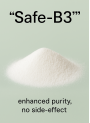
Safe-B3™ (Vitamin B3, Niacinamide)
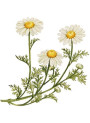
Natural Bisabolol (Brazil Chamomile)

Rosehip Oil (Extra Virgin Organic)
GlucoBright™ (Acetyl Glucosamine)
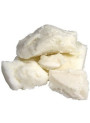
Shea Butter (Refined , Deodorised)
Light Cream Maker™
Tea Tree Oil (Extra Grade, Terpinen‑4‑OL >43%, Australian)
Double Hyaluron Liquid

Coenzyme Q10 Extra

Global Guard™ K712
Mild Preserved Eco™ (Preservative-Free)
Grape Seed Extract (Proanthocyanidins)