Inquiry on Skin Whitening Ingredients, L-Carnitine, and Sunscreen Formulation
Question
I am interested in formulating my own skincare products and would like information on several ingredients and sunscreen options, particularly for use in a coastal area.
Specifically, I would like to know about:
- Mahad Extract (Oxyresveratrol): Availability and usage considerations.
- Alternative Whitening Ingredients:
- Information on Activated Resorcinol™ (4-Butyl Resorcinol), mentioned as potentially more effective for some users.
- Other effective and safe whitening ingredients, their properties, usage concentrations, stability requirements (like pH range, light sensitivity), and compatibility issues (e.g., with AHA, Niacinamide, Zinc PCA).
- Specifically, details on Alpha Arbutin, Ascorbyl Glucoside (AA-2G Stabilized Vitamin C), and the combination of Vitamin B3 (Safe-B3™ / Niacinamide) and Acetyl Glucosamine (GlucoBright™).
- L-Carnitine (Carnitine): Its benefits and usage in body care formulations, including effective pH range.
- Sunscreen Recommendations: Effective sunscreen options suitable for strong sun exposure in a coastal area, specifically avoiding AHA in the formulation. Recommendations for different types of sunscreen bases (e.g., physical, fluid) would be helpful.
Answer
Information on Skin Whitening Ingredients and Sunscreens
Thank you for your interest in formulating your own skincare products! It's great that you are starting to learn and experiment. Here is some information regarding the ingredients you mentioned and sunscreen options.
Mahad Extract (Oxyresveratrol)
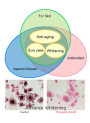
We now have Artocarpus Lakoocha Wood Extract (Oxyresveratrol 98%) available. This extract contains a high concentration of Oxyresveratrol, which is known for its excellent skin brightening properties. It works by inhibiting the enzyme Tyrosinase, which is involved in melanin production. It also has anti-glycation and antioxidant benefits.
Considerations for use: Oxyresveratrol requires careful formulation for stability. You need to use stabilizing agents like Sodium Metabisulphite (0.1%) and Disodium EDTA (0.2%), include an antioxidant (like Protec™ OX), protect the formula from light (use opaque packaging), and maintain the pH between 4-6. It should be stored in the refrigerator.
Alternative Whitening Ingredients
Besides Oxyresveratrol, several other effective and safe ingredients can help achieve brighter skin:
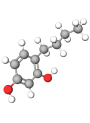
- Activated Resorcinol™ (4-Butyl Resorcinol): This is a highly potent whitening agent that works by strongly inhibiting Tyrosinase and preventing pigment transfer. Research shows it is significantly more effective than Vitamin C and Alpha Arbutin. However, due to its potency, it can cause irritation at higher concentrations (maximum 1% in leave-on products). It's recommended to use it with anti-irritants. It is also light-sensitive and formulas should be protected from light.
- Alpha Arbutin: A well-known and safe ingredient that also inhibits Tyrosinase. It is effective for brightening and evening skin tone. While less potent than Activated Resorcinol, it is considered safer than Hydroquinone. It is water-soluble and stable in formulas with a pH between 3.5-6.5. Avoid pH above 8.
- Ascorbyl Glucoside (AA-2G Stabilized Vitamin C): A stable, water-soluble form of Vitamin C. It offers whitening, antioxidant benefits, and stimulates collagen synthesis. It requires careful pH adjustment (stable at pH 6.5-6.8) and should not be mixed with Niacinamide or Zinc PCA.
- Vitamin B3 (Niacinamide) and Acetyl Glucosamine: Using Safe-B3™ (Vitamin B3, Niacinamide) together with GlucoBright™ (Acetyl Glucosamine) is a highly effective combination for whitening, reducing dark spots, and improving skin texture. Niacinamide also offers benefits like reducing oiliness, improving skin barrier function, and anti-inflammatory effects. This combination is generally well-tolerated.
Compatibility Notes:
- Activated Resorcinol should generally not be used with Alpha Arbutin or AHA.
- Niacinamide should not be mixed with AA-2G.
- Niacinamide and Acetyl Glucosamine work well together.
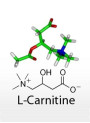
L-Carnitine
L-Carnitine (Carnitine) is an amino acid that can be beneficial in body care formulations. It helps accelerate skin cell turnover gently (effective at pH 6-7), provides moisture, can help reduce oiliness, and is recognized by the FDA for its potential in anti-cellulite and skin-firming claims. It is water-soluble and stable in formulas with a pH below 8.
Sunscreen Recommendations for Coastal Areas
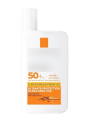
Living near the sea means significant sun exposure, so a good sunscreen is crucial. Since you prefer to avoid AHA, here are some effective options:
- Pure Physical Sunscreen (SPF50+, PA3+, Water-in-Oil, Non-White): A physical sunscreen base using Zinc Oxide and Titanium Dioxide. It offers high protection, is water-in-oil (often more water-resistant), and is suitable for sensitive skin with a non-white cast.
- Fluid Extreme Sunscreen (Ultra High/Broad Protection): Offers extremely high and broad-spectrum UV protection with a light, non-sticky fluid texture.
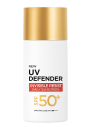
- Light Invisible Sunscreen (SPF50+, PA++++): Provides high SPF and very high UVA protection (PA++++), with a light, invisible serum texture.
These sunscreen bases provide robust protection suitable for strong sun exposure like at the coast.
Starting with formulation can be a rewarding process. Take your time to understand each ingredient's properties and how they interact. Good luck with your cream making!
Related Products Mentioned
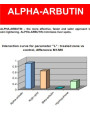
Alpha Arbutin (Switzerland)
Safe-B3™ (Vitamin B3, Niacinamide)
GlucoBright™ (Acetyl Glucosamine)