Instant Noodle & Lip Product Wax Myths and Skin Sensitivity Testing
Question
# Questions about Waxes and Skin Sensitivity Testing
I have a few questions regarding waxes and skin testing:
1. Is it true that instant noodle cups are coated with wax that can melt and accumulate in the body?
2. Are waxes used in lip products like lipsticks and lip balms harmful if ingested, and do they accumulate in the stomach, requiring surgical removal?
3. How should I properly test for skin sensitivity or allergy to an ingredient before using it in a formulation? I plan to test a 1% concentration of an ingredient like Licorice Extract.
4. When performing a patch test, should I avoid scratching the test area?
Answer
Clarifications on Instant Noodles and Waxes, and Skin Sensitivity Testing
Let's address your questions regarding waxes in instant noodles and lip products, and how to test for skin sensitivity.
Instant Noodles and Wax Claims
The claim that instant noodle cups are coated with wax that melts and accumulates in the body is a myth. Paper cups designed for hot food are typically coated with a type of food-grade plastic (like polyethylene) that can withstand high temperatures without melting or leaching harmful substances. Instant noodles themselves are usually fried during processing, which gives them their texture and helps preserve them, rather than being coated with indigestible wax.
Regarding waxes coating the stomach lining, this is also not accurate. The human digestive system is capable of processing fats and oils. While waxes are chemically similar to fats, their digestibility varies depending on the specific type of wax. Many waxes used in food products are food-grade and considered safe for consumption. They are either digested and absorbed to some extent or pass through the digestive system without being absorbed, similar to dietary fiber, and are eliminated from the body.
Food-grade waxes, such as certain types of Beeswax or Carnauba Wax, are used in the food industry for various purposes, like coating candies or fruits to prevent moisture loss or improve appearance. These uses are regulated to ensure safety.
Waxes in Lip Products
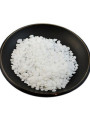
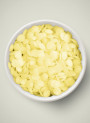
Lip products like lipsticks and lip balms commonly contain waxes such as Beeswax, Carnauba Wax, Tribehenin, Sunflower Wax, and Microcrystalline Wax. These waxes are essential for giving the product structure, texture, stability, and helping it adhere to the lips. While you do ingest small amounts of lip product over time, the waxes used in these formulations are generally considered safe for this incidental exposure. Many cosmetic-grade waxes are also used in food or are chemically similar to food-grade substances. The body does not accumulate these waxes in a harmful way or require surgical removal from the stomach.
Skin Sensitivity Testing (Allergy vs. Irritation)
It's good that you are thinking about testing for skin reactions before using ingredients in your formulations. There's a distinction between irritation and allergy:
- Irritation: This is a direct, non-immune response to a substance that damages the skin. It often causes redness, burning, or itching shortly after contact. Some ingredients are known irritants, especially at higher concentrations, and their irritation potential is generally predictable.
- Allergy (Contact Dermatitis): This is an immune system response where your body reacts to a substance it perceives as a threat. It can cause redness, itching, swelling, rash, or blisters. Allergic reactions are specific to individuals and can occur even at very low concentrations after your immune system has become sensitized to the ingredient. Reactions can sometimes be delayed by 24-48 hours or even longer.
For testing at home, you are generally testing for a potential allergic reaction or overall sensitivity to your specific formulation or a high concentration of an ingredient. The method you described is appropriate for a patch test:
- Prepare the ingredient at the concentration you plan to use in your final formula. If it's a single ingredient, you can mix it with a neutral base like water or a simple cream if it's not water-soluble, at the desired percentage (e.g., 1% Licorice Extract in water or a cream base).
- Apply a small amount of this mixture to a discreet, sensitive area of skin, such as the inner elbow crease or behind the ear.
- Observe the area over a period of time. While some reactions might appear quickly, delayed allergic reactions can take 24-48 hours or even up to 7 days to show. It is recommended to monitor the area for at least 48 hours, ideally up to 7 days, especially if testing a new or potentially sensitizing ingredient.
- Do not scratch the area. Scratching can cause mechanical irritation which can be mistaken for a reaction to the substance, or it can worsen a mild reaction, making it difficult to interpret the results.
If you see any signs of redness, itching, swelling, or rash in the tested area, it indicates a potential sensitivity or allergy to the ingredient or mixture, and you should avoid using it.
Testing at the concentration you intend to use (like 1% for Licorice Extract) is a reasonable approach to see how your skin reacts to the ingredient as it would be present in your final product.