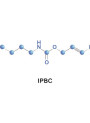
IPBC Fungicide for Natural Fiber Handicrafts Exported to US/EU
Question
I am looking for an IPBC-based fungicide for natural fiber handicrafts (water hyacinth) intended for export to the US and EU markets. The requirements are: no color change, odorless, SDS availability, suitability for handmade production, and safety compliance for export.
- Which of the following products is the most suitable?
3-Iodo-2-propynyl butylcarbamate (IPBC)(Product ID 63420, Reagent Grade)Iodopropynyl Butyl Carbamate (IPBC, Powder 99%)GM-BP (Diazolidinyl Urea, IPBC)
- What is the recommended usage rate (percentage)?
- What are the application instructions for treating the fibers?
- Are these products safe and compliant with US/EU regulations?
Answer
For preserving natural fiber products like water hyacinth (ผักตบชวา) for export to the US and EU, using an IPBC-based (Iodopropynyl Butylcarbamate) fungicide is an excellent choice. It is highly effective against mold and mildew, does not change the color of the material, and has a very low odor.
Recommended Product
Between the options mentioned, the most suitable for your application is:
- Iodopropynyl Butyl Carbamate (IPBC, Powder 99%): This is a high-purity powder that is effective at very low concentrations. It is widely used in both cosmetics and industrial applications (like wood and fiber preservation).
While 3-Iodo-2-propynyl butylcarbamate (IPBC) (Reagent Grade) is chemically the same, reagent grades are typically intended for laboratory analysis and are significantly more expensive. For production and export, the 99% powder version is more practical and cost-effective.
GM-BP (Diazolidinyl Urea, IPBC) is less recommended for natural fibers because it contains Diazolidinyl Urea, which is a formaldehyde releaser. This may face stricter scrutiny or labeling requirements in the EU/US for "natural" or "eco-friendly" handmade goods.
Usage Instructions for Water Hyacinth
To treat natural fibers, the most effective method is a dipping/soaking bath or spraying.
- Dosage: Use at a concentration of 0.1% – 0.2% by weight of the total solution.
- Example: For 10 liters of water, use 10–20 grams of IPBC powder.
- Preparation (Solubility): IPBC powder has limited solubility in plain water. For the best results:
- Pre-dissolve the IPBC powder in a solvent such as Propylene Glycol or Ethanol (Ethyl Alcohol) in a ratio of 1:5 (IPBC:Solvent).
- Once fully dissolved, stir this mixture into your water bath.
- Application:
- Soaking: Submerge the fibers or the finished product for 5–10 minutes to ensure deep penetration.
- Spraying: Ensure even coverage on all surfaces, including crevices.
- Drying: The product must be dried completely (sun-dried or oven-dried) before packaging to prevent moisture from being trapped inside.
US/EU Export Compliance
- EU (BPR): IPBC is an approved active substance under the Biocidal Products Regulation (BPR) for product types including film preservatives and wood/fiber preservation.
- US (EPA): IPBC is registered with the EPA as a fungicide for use in various industrial and consumer applications.
- SDS: MySkinRecipes provides the Safety Data Sheet (SDS) for these products, which is essential for export documentation and safety compliance.
- Labeling: If you claim the product is "Antimicrobial" or "Mold-resistant" on the packaging, you must comply with specific labeling laws in the destination country. If the treatment is used only for preservation during transit/storage, it is generally treated as a "Treated Article."
Safety Precautions
- Always wear gloves and a mask when handling the concentrated powder or during the spraying process.
- Ensure the work area is well-ventilated.
- IPBC is safe for the end-user once it has dried and bonded with the fiber.
Relevant Product IDs:
- Iodopropynyl Butyl Carbamate (IPBC, Powder 99%)
- 3-Iodo-2-propynyl butylcarbamate (IPBC) (Reagent Grade)