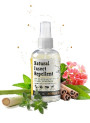
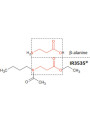
Yes. For a skin spray for children 2+ years, with IR3535 10% + alcohol + fragrance 1%, a hydroalcoholic spray base is a suitable starting direction for a light, quick-dry, non-sticky feel. Please treat the formulas below as lab starting prototypes, not a finished/validated claim formula.
Formula-total check
The current information only fixes IR3535 10% and fragrance 1%. The remaining base must be completed to 100% with ethanol/water and any solubilizer needed for clarity.
Prototype options
A) Clear / fast-dry trial
B) Milder lower-alcohol trial
- IR3535: 10.00%
- Fragrance: 1.00%
- Ethanol: 45.00%
- Cosmetic-grade solubilizer: 1–3% q.s. for clarity
- Optional low-tack humectant/skin-feel aid: 0.5–1.0%
- Purified water: q.s. to 100%
Ethanol 45–60% is only a practical screening range. Higher ethanol usually dries faster and feels less sticky, but may sting/dry skin more, especially in children.
Mixing process
- Mix ethanol + IR3535 until uniform.
- If using solubilizer, premix fragrance + solubilizer first. Start with the lowest level; if cloudy, screen fragrance:solubilizer ratios around 1:1, 1:2, 1:3.
- Add the fragrance premix into the ethanol/IR3535 phase.
- Slowly add purified water with moderate mixing.
- Process at room temperature; avoid heating because of ethanol and fragrance.
- Fill into alcohol-compatible pump spray packaging.
Important: for a clear spray, the goal is true solubilization, not just temporary dispersion. A product that looks mixed at first may turn cloudy or separate after dilution or storage.
Checks before use/sale
- Check clarity immediately, after 24–48 h, and after heat/cold or freeze-thaw cycling.
- Check odor, color, spray pattern, tackiness, packaging compatibility, and irritation risk.
- Do preservative/challenge testing. A high-ethanol system may not need extra preservative only if the final formula and packaging pass microbial validation.
- Confirm repellent performance by efficacy testing before claiming any exact protection time.
Use precautions for children 2+
Use mild fragrance, avoid eyes/mouth/wounds/irritated skin, do not spray directly on the face, avoid applying to children’s hands, apply by an adult, and wash off after use. Do not claim suitability for babies or children under 2 without separate assessment.
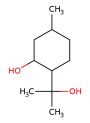
Catalog note: MySkinRecipes context found Euca-Kill™ (e.q. Citriodiol) and p-menthane-3,8-diol (PMD) as alternative cosmetic-category repellent actives, but they are not IR3535 and should only be used if you intentionally switch actives.