Issue adding active ingredients to MP soap and alternative formulation for whitening and skin benefits
Question
I am making MP (Melt and Pour) glycerin soap and added the following ingredients to achieve whitening, softness, moisture, and potentially reduce sun sensitivity: Alpha Arbutin, Kojic Acid, AHA, Vitamin C (L-Ascorbic Acid), Vitamin B3 (Niacinamide), Witch Hazel, and Coffee Scrub. However, the soap did not harden and felt wet.
What caused this issue, and how can I formulate a product to achieve these desired skin benefits effectively?
Answer
Understanding Your MP Soap Issue and How to Achieve Your Goals
Hello! It's great that you're experimenting with making MP glycerin soap. It sounds like you've encountered a common challenge when adding certain active ingredients to this type of soap base.
Why Your Soap Didn't Harden and Was Wet
MP (Melt and Pour) glycerin soap bases are naturally alkaline, meaning they have a high pH (typically 9-10+). Many beneficial active ingredients for skin, such as Alpha Arbutin, Kojic Acid, AHA, Vitamin C (L-Ascorbic Acid), Vitamin B3 (Niacinamide), and Witch Hazel, are acidic or require a lower pH range (usually below 7, sometimes much lower) to remain stable and effective.
When you add these acidic ingredients to an alkaline MP soap base, two main things happen:
- pH Imbalance: The acidic ingredients lower the overall pH of the soap base. MP soap relies on its high pH to maintain its solid structure. When the pH drops significantly, the soap base can become soft, mushy, or fail to harden properly, resulting in the wet texture you observed.
- Ingredient Degradation: The high alkaline environment of the MP soap base can cause the active ingredients themselves to break down and become ineffective. So, even if the soap had hardened, the whitening and other benefits from these ingredients would likely not be present.
This is why the expert in the conversation mentioned that the ingredients you added might have become ineffective due to the high pH.
Achieving Whitening, Softness, Moisture, and Reduced Sun Sensitivity
To effectively use ingredients like Alpha Arbutin, Kojic Acid, Vitamin C, AHA, and Vitamin B3 for skin benefits, you need a formulation base with a compatible pH. As suggested in the conversation, a liquid soap base that can be adjusted to a lower pH (around 5.5) is a much better option for incorporating a variety of these active ingredients while maintaining their stability and efficacy.
Recommended Approach: Liquid Soap Base
Using a liquid soap base allows you to adjust the pH to a level where your desired active ingredients are stable. For example, Vitamin B3 (Niacinamide) is most stable between pH 4.0-7.0, Alpha Arbutin between 3.5-6.5, and some forms of Vitamin C like Sodium Ascorbyl Phosphate (SAP) are stable at pH 7-9 (though L-Ascorbic Acid needs a much lower pH of 2.0-4.0). A pH of around 5.5 in a liquid soap provides a good balance for many common skin-benefiting ingredients.
Ingredients for Your Goals:
- Whitening: In a suitable liquid soap base (pH ~5.5), you could use stable whitening agents like Alpha Arbutin, Kojic Acid Dipalmitate (a more stable form of Kojic Acid), or stable Vitamin C derivatives like Sodium Ascorbyl Phosphate. Vitamin B3 also helps with uneven skin tone.
- Softness & Moisture: Glycerin itself is a humectant and helps with moisture. Vitamin B3 (Niacinamide) helps improve the skin barrier, reducing moisture loss. Ingredients like Lactic Acid (or its ester form, LipidSoft™ Lactic) can provide gentle exfoliation, leading to softer skin, and also offer moisturizing properties.
- "Mask-like" Feel: This might relate to the richness of the soap base or adding ingredients that leave a soft feel on the skin. Using a good quality liquid soap base designed for a rich lather or adding a small amount of compatible oil-based ingredients (like LipidSoft™ Lactic, keeping in mind its oil solubility) could contribute to this feel, but be cautious not to compromise the soap's cleansing ability or stability.
- Reduced Sun Sensitivity: While some whitening agents (like high concentrations of AHA or L-Ascorbic Acid) can increase sun sensitivity, others like Alpha Arbutin and Kojic Acid are generally less likely to cause this issue compared to stronger agents. Vitamin B3 can help strengthen the skin barrier, which is beneficial for overall skin health and resilience. However, it is crucial to always use sun protection when using any product aimed at skin whitening or exfoliation, as new skin cells are more vulnerable to UV damage.
Using Scrubs:
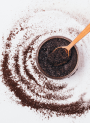
As discussed in the replies, incorporating a scrub like Coffee Scrub can help achieve brighter, softer skin by physically exfoliating dead skin cells. While scrubbing doesn't directly whiten the skin by affecting pigment production, removing the dull outer layer can make the skin appear brighter and can help whitening agents penetrate better when used in conjunction. You can add coffee scrub to a liquid soap base or use it as a separate scrub product.
In Summary
Your MP soap issue was due to the incompatibility of the base's high pH with the acidic active ingredients, leading to softening and rendering the actives ineffective. To achieve your goals of whitening, softness, and moisture with these ingredients, consider switching to a liquid soap base and adjusting the pH to around 5.5. Incorporating ingredients like Alpha Arbutin, stable Vitamin C forms (like SAP), Vitamin B3, and Lactic Acid derivatives (like LipidSoft™ Lactic) in a suitable base, along with physical exfoliation from scrubs like coffee, can help you create an effective product. Remember that consistent sun protection is essential when using whitening or exfoliating products.
Related Products Mentioned
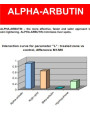
Alpha Arbutin (Switzerland)
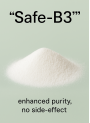
Safe-B3™ (Vitamin B3, Niacinamide)
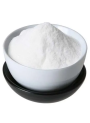
Vitamin C (L-ascorbic acid) (Fine)
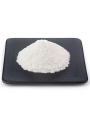
Kojic Acid Dipalmitate
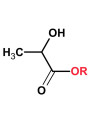
LipidSoft™ Lactic (C12-13 Alkyl Lactate)
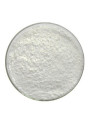
Kojic Acid