Issues and Questions Regarding Sunscreen and Foundation Formula
Asked by: wanchai0907
On: April 09, 2017
Product Type:
Cosmetics
Answered
Question
I am developing a Sunscreen and Foundation Formula with the following ingredients:
- Water: 52.75%
- Phenoxyethanol SA (Optiphen Plus): 1.00%
- Light Cream Maker: 1.00%
- MatteSilica S™ (ซิลิก้าชนิดนุ่มพิเศษ): 1.50%
- SPF Protect Ultra™ II: 10.00%
- Zinc Oxide 200nm EasyDisperse™: 5.00%
- Titanium Dioxide 200nm EasyDisperse™: 2.00%
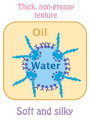
- Water-Capsule™ (Water-in-Oil Cream): 5.00%
- LipidSoft™ Dry: 5.00%
- Silk Sericite Powder ชนิดด้าน: 15.00%
- Beige Iron Oxides EasyMix™: 1.50%
- Perfume: 0.25%
After mixing and testing, I found the following:
- The cream texture dries very quickly (OK).
- Oiliness during the day is quite low (OK).
- The face does not darken during the day (OK).
However, I have some issues and questions:
- Coverage for wrinkles is not very good. What should I add to improve coverage?
- Water resistance is not very good. When exposed to water and rubbed, the powder comes off. What should I add to improve water resistance?
- I estimate the SPF and PA to be between 30-40. Is this estimate correct? I plan to send the formula for SPF testing once it's finalized.
- The color is suitable for people with fair skin, but it appears too pale for those with darker skin tones. Is there a way to make it usable for both light and dark skin?
Thank you very much.
Answer
Feedback on Sunscreen and Foundation Formula
Thank you for sharing your formula and observations. It's great that you've achieved good results regarding texture, oil control, and preventing darkening during the day.
Let's address your specific questions:
Coverage for Wrinkles:
- The current formula includes pigments (Beige Iron Oxides) and powders (Silk Sericite Powder, MatteSilica, Zinc Oxide, Titanium Dioxide) that contribute to coverage.
- To improve coverage, you could consider increasing the total percentage of pigments (Iron Oxides) and/or adding powders known for their coverage properties, such as additional Titanium Dioxide (cosmetic grade, not just UV filter grade if needed for coverage), or other spherical powders that can help blur the appearance of wrinkles. However, increasing powders too much can affect texture and feel.
- Another approach is to use specific "soft-focus" or "wrinkle-filling" ingredients, often based on silicone elastomers or specific types of powders that optically diffuse light.
Water Resistance:
- Your formula uses a Water-in-Oil emulsifier (Water-Capsule) which inherently provides better water resistance than Oil-in-Water systems.
- The physical UV filters (Zinc Oxide, Titanium Dioxide) also offer some water resistance.
- To further improve water resistance, you could consider adding film-forming polymers specifically designed for this purpose in cosmetic formulations. These create a film on the skin that helps the product adhere better and resist wash-off from water or sweat.
Estimated SPF and PA:
- Based on the inclusion of SPF Protect Ultra™ II (a blend of chemical filters), Zinc Oxide (5%), and Titanium Dioxide (2%), an estimated SPF in the 30-40 range seems plausible, especially if SPF Protect Ultra™ II contributes significantly to the SPF. Zinc Oxide and Titanium Dioxide at these percentages also contribute to broad-spectrum protection (UVA/UVB), supporting the PA rating.
- However, the final SPF and PA are highly dependent on the specific grades of the UV filters, their dispersion in the formula, and the final formulation matrix. Sending the final formula for professional testing is the correct approach for confirmation.
Color Matching for Different Skin Tones:
- Using a single "Beige Iron Oxides EasyMix™" will naturally limit the range of skin tones it can match.
- To cater to different skin tones, the standard practice is to create multiple shades. This involves adjusting the ratios of the primary color pigments: Yellow Iron Oxide, Red Iron Oxide, Black Iron Oxide, and Titanium Dioxide (white pigment).
- You would typically create a range of shades from light to dark by varying the total pigment concentration and the ratio of these four color components. For example, adding more black and red iron oxides for darker shades, and more titanium dioxide and yellow iron oxide for lighter/yellower shades.
I hope this feedback is helpful!
Related Products Mentioned
Light Cream Maker™
Cosmetics
Zinc Oxide 200nm EasyDisperse™
Cosmetics
Beige Iron Oxides EasyMix™
Cosmetics
MatteSilica 5™ (5 Micron)
Cosmetics

LipidSoft™ Dry
Cosmetics
Water-Capsule™ (Water-in-Oil Cream)
Cosmetics
Purified Water, TDS Limit 1PPM)
Cosmetics

Phenoxyethanol SA (eq. Optiphen Plus)
Cosmetics