Key Ingredients and Potential Substitutes in Cleansing Milk
Question
I have a cleansing milk product with the following ingredient list:
- Water (Aqua)
- Squalane
- Propylene Glycol Dicaprylate/Dicaprate
- Caprylic/capric triglyceride
- Cetearyl Alcohol
- Ceteareth-20
- Propylene Glycol
- Phenoxyethanol
- Polyacrylamide
- Cetyl Palmitate
- Glycerin
- Tocopheryl Acetate
- Alcohol denat.
- C13-14 Isoparaffin
- Ethyl Oleate
- Polyperfluoromethylisopropyl Ether
- Ethyl Linoleate
- Poloxamer 188
- Laureth 7
- Ethylhexylglycerin
- Hydrolyzed Gelatin
- Niacinamide
- Lactic Acid
- Cucumis Sativus (Cucumber) Fruit Extract
- Sodium Dehydroacetate
- Hydrolyzed Silk
- Ammonium Acryloyldimethyltaurate/VP Copolymer
- Yeast Extract (Faex Extract)
- Sodium benzoate
- Embryo Extract
- Magnesium Chloride
- Vinegar (Acetum)
- TEA-Lactate
- Salicylic Acid
- Sodium Lactate
- mimosa tenuiflora bark extract
- Alcohol
- Sorbitol
- Ethyl Linoleate
- Hamamelis Virginiana (Witch Hazel) Bark/Leaf/Twig Extract
- Papain
- Myrtus Communis Extract
- Allium Cepa (Onion) Bulb Extract
- Hypericum Perforatum Flower/Leaf/Stem Extract
- Serine
- Urea
- Allantoin
- Sodium Hyaluronate
- Commiphora Myrrha Resin Extract
- Tocopherol
- Potassium Sorbate
- chlorphenesin
- Thiamine HCL
- Pyridoxine HCL
- Sodium Salicylate
- Sorbic Acid
Could you identify the active ingredients in this list and suggest alternative ingredients that can replace them? The desired texture of the product is a white, milky cream, similar to milk, not very thick (medium consistency), easy to rinse off with water without much rubbing or effort. After rinsing, it should leave a light coating on the face, not heavy or sticky, and the skin should feel smooth.
Thank you.
Answer
Key Ingredients and Potential Substitutes in Cleansing Milk
Based on the ingredient list you provided, this formulation appears to be a cleansing milk designed to effectively remove impurities while leaving the skin feeling soft and hydrated. The combination of emollients (like Squalane, Caprylic/capric triglyceride, Cetyl Palmitate, Ethyl Oleate, Ethyl Linoleate), emulsifiers (like Ceteareth-20, Poloxamer 188), and thickeners gives it the described milky, easy-to-rinse texture that doesn't feel heavy or sticky and leaves a smooth finish.
The list also includes several ingredients known for their beneficial effects on the skin, often considered "active" ingredients. Here are some of them and potential substitutes based on their functions:
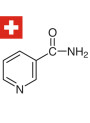
- Niacinamide (Vitamin B3): Known for improving skin barrier function, reducing redness and hyperpigmentation, controlling oil, and providing anti-aging benefits.
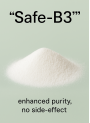
- Potential Substitutes: While Niacinamide is quite versatile, other ingredients that support the skin barrier or offer anti-inflammatory benefits could be considered depending on the primary goal. However, a direct substitute covering all its functions is difficult to find. Safe-B3 is a high-purity form of Niacinamide.
- Lactic Acid (AHA): An alpha hydroxy acid that helps exfoliate the skin's surface, improving texture and tone, and also acts as a humectant to draw moisture into the skin.
- Potential Substitutes: Other AHAs like Glycolic Acid, Mandelic Acid, or PHAs (Gluconolactone, Lactobionic Acid) can provide exfoliation. The choice depends on the desired strength and gentleness.
- Salicylic Acid (BHA): A beta hydroxy acid effective at exfoliating inside pores, making it useful for acne-prone skin and reducing blackheads and whiteheads.
- Potential Substitutes: SalicSoft (Betaine Salicylate) is a gentler alternative to Salicylic Acid that is water-soluble and can be used for exfoliation with less irritation.
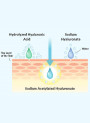
- Sodium Hyaluronate (Hyaluronic Acid): A powerful humectant that attracts and holds moisture in the skin, helping to keep it hydrated and plump.
- Potential Substitutes: Other humectants like Glycerin, Sodium PCA, Panthenol, or different molecular weights of Hyaluronic Acid (such as Super-HYA, which is an acetylated form known for better skin absorption) can be used for hydration.
- Tocopheryl Acetate / Tocopherol (Vitamin E): Antioxidants that help protect the skin from free radical damage and provide skin-conditioning benefits.
- Potential Substitutes: Other antioxidants like Vitamin C derivatives or various plant extracts with antioxidant properties could serve a similar protective function.
- Sodium Lactate: Part of the skin's Natural Moisturizing Factor (NMF), it helps to hydrate the skin and can also have a mild skin-lightening effect.
- Potential Substitutes: Other NMF components like Sodium PCA, Glycerin, or Urea can help improve skin hydration.
The specific texture you described – milky, easy to rinse, non-sticky, and leaving a smooth/slippery feel – is achieved by the overall balance of oils, emulsifiers, and thickeners in the formula, rather than just the "active" ingredients. The emollients provide the smooth feel, while the emulsifiers and thickeners create the milk-like texture and allow it to be easily washed away with water.
Regarding the percentage of each ingredient, this information is specific to the product manufacturer and is not publicly available. Formulating a product with the exact same texture and performance would require detailed knowledge of the proportions of all ingredients, especially the emulsifier and rheology modifier systems.
Related Products Mentioned
Vitamin E (Tocopheryl Acetate)
Safe-B3™ (Vitamin B3, Niacinamide)
Vitamin E (dl-alpha tocopherol)
Sodium Lactate (60% Liquid, Natural)
Salicylic Acid (BHA, Pharma Grade)
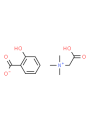
SalicSoft® (Betaine Salicylate)