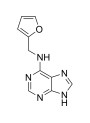
Kinetin Formulation Issues in Sunscreen and New Product Solution
Question
I am formulating a sunscreen with Kinetin. I am experiencing texture separation and instability, particularly when adding Kinetin and Cyclomethicone.
What causes this issue, and how can I resolve it?
Answer
Solution for Incorporating Kinetin in Sunscreen Formulas
You've encountered a common challenge when formulating with Kinetin, particularly the older version. The issue you're experiencing with texture separation and instability, especially when adding Kinetin and Cyclomethicone, is likely due to the electrolyte content present in that form of Kinetin. Electrolytes can interfere with the emulsifying and thickening properties of ingredients like Light Cream Maker and Pro Polymer, leading to the formula breaking or becoming thin and separated.
Based on the information from the staff, a new and improved version of Kinetin is being introduced. This new Kinetin is designed to be more easily soluble and stable in formulations, specifically addressing the issues with texture and compatibility, even allowing for use in clear formulas. This new product should significantly help in successfully incorporating Kinetin into your sunscreen without the separation problems you've faced.
Tips for Formulating with Kinetin (especially if using the older version or high electrolyte formulas):
- Consider the New Kinetin: The upcoming Kinetin product is expected to resolve the compatibility issues. Once available, this would be the most straightforward solution.
- Pre-dissolve Kinetin: If using the older Kinetin or other electrolyte-sensitive ingredients, ensure the Kinetin is fully dissolved in the water phase first, potentially adjusting the pH slightly higher (above 7) as per the product description to aid solubility, before combining with other phases.
- Emulsifier Choice: While Pro Polymer has better electrolyte resistance than Light Cream Maker, high oil/silicone phases like Cyclomethicone can still challenge its stability, especially in the presence of electrolytes. For formulas with high oil/silicone content, you might need to explore emulsifiers specifically designed for high oil load or W/O (water-in-oil) emulsions, or use a combination of emulsifiers to enhance stability.
- Mixing Method: Incorporating the Kinetin-containing water phase slowly into the oil/emulsifier phase while continuously mixing can sometimes help maintain the emulsion stability.
- Order of Addition: As you observed, the order of adding ingredients matters. Adding Kinetin before the preservative might be beneficial, but the primary issue seems to stem from the Kinetin's properties and its interaction with the emulsifier and silicone.
Regarding the availability of the new Kinetin, the staff mentioned it is expected to be available within the next week.
We recommend trying the new Kinetin product once it arrives, as it is specifically formulated to overcome the challenges you are facing. If you continue to experience issues or need further assistance with adjusting your formula, feel free to share your updated formula and process for more specific guidance.
Related Products Mentioned
Light Cream Maker™
Phenoxyethanol (Extra Pure)
Disodium EDTA
Pro Polymer™ (Gel Maker)

Rice Vitamin (Inositol, Vitamin B8)

MatteSilica 5™ (5 Micron)

Mild Preserved Eco™ (Preservative-Free)

SPF Protect Ultra™ II

WaterGuard™ Spray

MatteSilica 3™ (3 Micron)
MatteSilica 10™ (10 Micron)

SPF Protect Ultra™ III (UVA+UVB)