Kojic Acid Dipalmitate Crystallization in Cream Formulation
Question
I am formulating a cream and trying to incorporate Kojic Acid Dipalmitate (at 3% or 5%) by dissolving it in 5% LipidSoft. However, the Kojic Acid Dipalmitate is crystallizing in the final cream. How can I prevent this crystallization?
Answer
Advice on Dissolving Kojic Acid Dipalmitate in Cream Formulation
You are experiencing crystallization when adding Kojic Acid Dipalmitate dissolved in LipidSoft to your cream formulation. This is a common issue related to the solubility of Kojic Acid Dipalmitate.
Kojic Acid Dipalmitate is an oil-soluble ingredient and needs to be fully dissolved in the oil phase of your formulation. According to the product information for Kojic Acid Dipalmitate, it should be dissolved in the oil part using heat up to 80°C to ensure it melts and mixes completely.
Based on your formula and the staff's feedback, the amount of LipidSoft (5%) in your formulation is likely insufficient to fully dissolve 3% or 5% of Kojic Acid Dipalmitate, leading to crystallization as the mixture cools or is added to the main cream base.
To prevent crystallization in your next attempt, consider the following options:
- Increase the Oil Phase: Increase the percentage of the oil phase (LipidSoft or another suitable oil/ester) in your formula to ensure there is enough solvent to keep the Kojic Acid Dipalmitate dissolved. You may need significantly more than 5% oil for 3% Kojic Acid Dipalmitate. Heat the oil phase containing Kojic Acid Dipalmitate to 80°C and ensure complete dissolution before incorporating it into the rest of the formulation.
- Reduce Kojic Acid Dipalmitate Concentration: As suggested by the staff, reduce the concentration of Kojic Acid Dipalmitate to 1-1.5%. This lower concentration may be soluble in your existing 5% LipidSoft, especially if heated sufficiently (up to 80°C) during the dissolution step.
- Ensure Proper Heating: Always heat the oil phase containing Kojic Acid Dipalmitate to the recommended temperature of 80°C to ensure it is fully melted and dissolved before combining with other phases, particularly the water phase which is at a lower temperature.
Your formula contains several other beneficial ingredients such as Tranexamic Acid, Vitamin B3, GlucoBright, Vitamin B5, Cyclomethicone, Propylene Glycol, Glycerin, Calendula Extract, Pro Polymer, Pentylene Glycol, Phenoxyethanol, Satin Cream Maker, WhiteCumin, and Water. These ingredients are generally compatible, and the primary challenge you faced was specifically with the dissolution of Kojic Acid Dipalmitate due to insufficient oil phase.
By adjusting the ratio of Kojic Acid Dipalmitate to the oil phase and ensuring adequate heating during dissolution, you should be able to achieve a stable, crystal-free cream formulation.
Related Products Mentioned
Vitamin E (Tocopheryl Acetate)

Safe-B3™ (Vitamin B3, Niacinamide)
GlucoBright™ (Acetyl Glucosamine)

Calendula Extract (Water Soluble)
Propylene Glycol (USP)
Glycerin (USP/Food Grade)
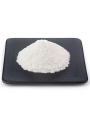
Kojic Acid Dipalmitate
Phenoxyethanol (Extra Pure)
Pro Polymer™ (Gel Maker)

Satin Cream Maker™

Trans-White™
Purified Water, TDS Limit 1PPM)